Zero Gravity Shiatsu Massage Chair: App + Heat Guide
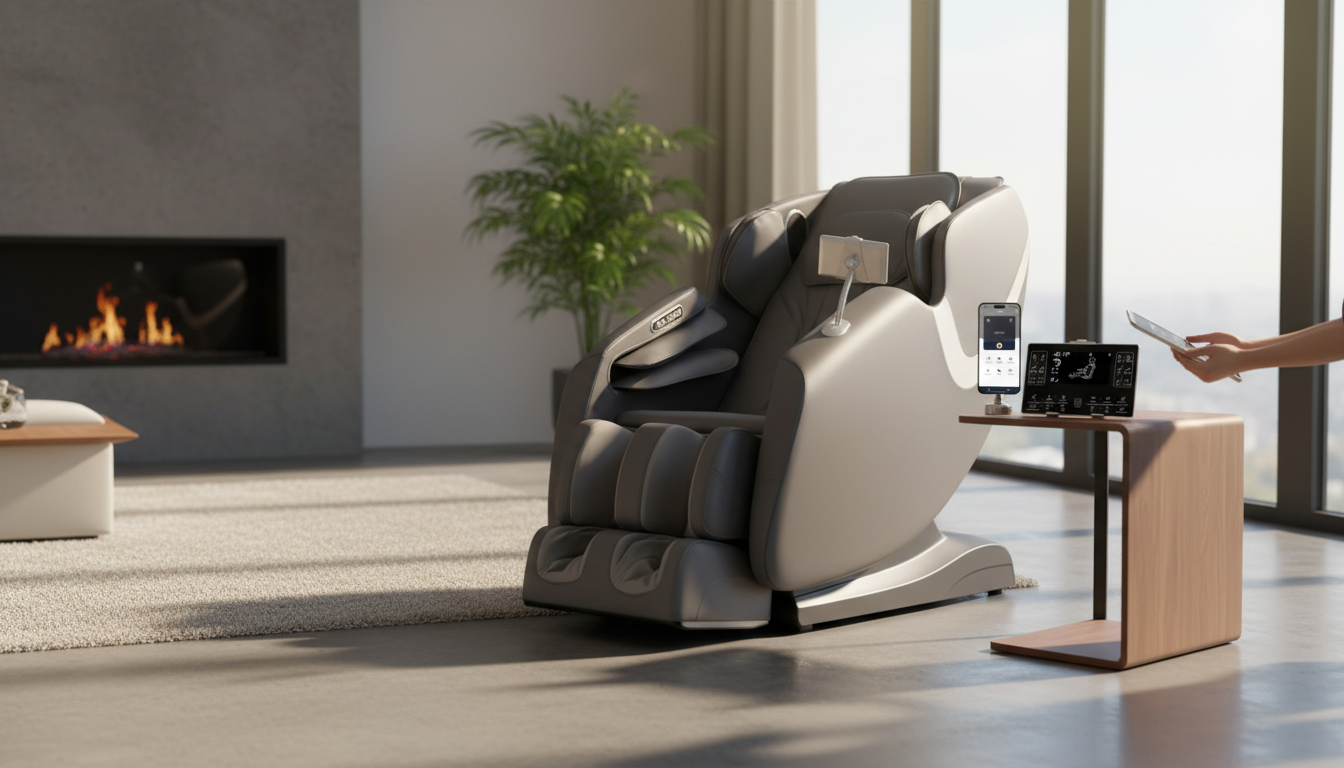
Zero Gravity Full Body Shiatsu Massage Chair with APP Control & Heat
A full body massage chair can turn short breaks into real recovery time—especially when it combines shiatsu-style kneading, heat, and a zero gravity recline that helps reduce pressure on the spine. Add app control, and it becomes easier to switch programs, adjust intensity, and fine-tune comfort without interrupting the session. If the goal is to unwind after desk hours, loosen up after workouts, or build a reliable wind-down routine before bed, a chair with these features can make relaxation feel consistent and repeatable.
What makes this massage chair different
The appeal of a zero gravity full body shiatsu chair is how its features work together, rather than relying on a single “wow” function.
- Zero gravity recline positions the body in a more neutral posture to help reduce load on the lower back and encourage relaxation.
- Full body coverage aims to address common tension zones across neck/shoulders, back, hips/seat, and legs/feet (depending on the selected program).
- Shiatsu-style techniques focus on kneading and pressure-like motion intended to mimic hands-on massage patterns.
- Heat function adds gentle warmth that can pair well with massage for a looser, more comfortable feel.
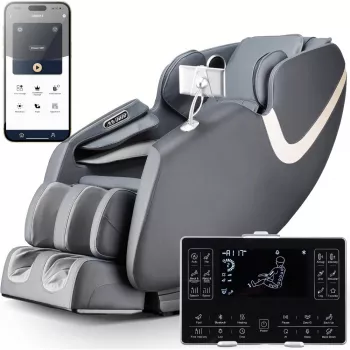
- APP control supports quick adjustments—useful for switching modes, changing intensity, or setting time without reaching for a physical controller.
For a quick look at the featured model available now, visit the product page: Zero Gravity Full Body Shiatsu Massage Chair with APP Control & Heat.
How zero gravity recline can feel during a session
Zero gravity on a massage chair is often described as “floating,” but the practical benefit is simpler: reclining changes how body weight is distributed, and that shift can make it easier to relax into the massage.
- Reclining shifts body weight more evenly, which can make back and hip muscles feel less guarded and more receptive to massage.
- Many users prefer starting with a short warm-up program in zero gravity before increasing intensity.
- For reading or decompressing without massage, the recline alone can be used as a relaxation position.
- If dizziness or reflux is a concern, a gentler recline angle is typically more comfortable than fully reclining.
The “neutral posture” idea is often discussed in ergonomics and even aerospace contexts; NASA has published material on neutral body posture as a baseline for comfort in microgravity environments (NASA). While a chair isn’t microgravity, the inspiration is similar: reduce strain by supporting the body in a more naturally relaxed alignment.
Shiatsu and full-body modes: what to expect
Shiatsu-inspired chair programs are designed to feel more like hands than vibration-only massage. That can be a pleasant surprise—or a strong one—depending on sensitivity and how the rollers line up with your body.
- Shiatsu-inspired programs generally feel like rhythmic kneading and pressing; the sensation can be strong at first, especially around shoulder blades and lower back.
- Start at a lower intensity and shorter time (10–15 minutes) to learn how the rollers and pressure points align with the body.
- If a specific area feels too intense, shifting posture slightly (hips back, shoulders relaxed) often improves alignment.
- Alternating between targeted sessions (upper back or lower back) and full-body routines can help avoid soreness from overworking one area.
Massage can be a useful part of a stress-management routine and may help with relaxation and muscle tension for many people. For a balanced overview of potential benefits and general considerations, see Mayo Clinic — Massage: Get in touch with its many benefits.
Heat function: when it helps and how to use it comfortably
Heat is often the feature that turns a “good” session into a “sink-in” session. Gentle warmth can make roller-based massage feel smoother—especially for stiff areas that tend to resist pressure at first.
For a concise review of heating pad upsides and cautions (like avoiding excessive heat or prolonged exposure), Cleveland Clinic offers practical guidance: Cleveland Clinic — Heating Pad Benefits and Risks.
Heat + massage session guide
| Goal | Suggested approach | Session length |
|---|---|---|
| Daily decompression | Zero gravity + low intensity massage + gentle heat | 10–15 minutes |
| Post-work tension relief | Upper back focus + medium intensity + optional heat | 15–20 minutes |
| Leg fatigue after long standing | Full body or lower body focus + light-to-medium intensity | 10–15 minutes |
| Relaxation before bed | Low intensity + heat + slower rhythm program | 10–20 minutes |
APP control: practical ways it improves day-to-day use
Placement, power, and setup considerations
Who it’s a good fit for (and who should be cautious)
Also in stock
- Bluetooth MP3 MP4 Player with 4.0″ Touchscreen
- Mini 8GB Voice Recorder Digital Audio MP3 Player USB Pen with Earphones
FAQ
How long should a typical session be?
For most people, 10–20 minutes is a practical range. Start with 10–15 minutes at lower intensity to learn how the rollers hit your body, since longer or stronger sessions can leave you sore.
Is heat safe to use every day?
Gentle heat is often used daily for comfort, but it’s best to keep the warmth moderate and avoid very long sessions—especially if you have sensitive skin or reduced sensation. Skip heat when it’s medically discouraged or if you’re dealing with acute inflammation or a fresh injury.
What does zero gravity mean on a massage chair?
It refers to a recline angle inspired by a more neutral body posture, designed to distribute weight more evenly and reduce pressure on the spine. Many people find this position helps them relax more fully during massage.




Leave a comment