Best Places for a Car Pre-Purchase Inspection (PPI)
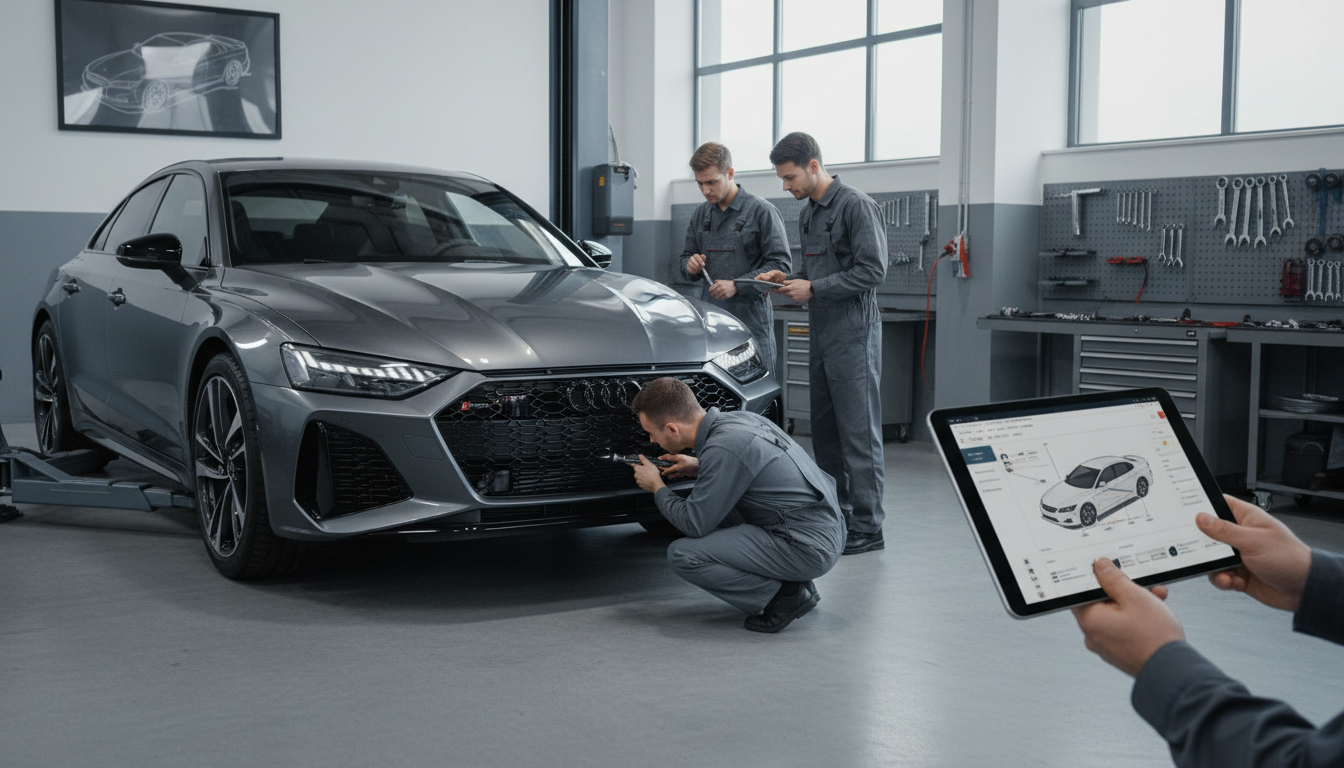
Where to Take Your Car for a Pre-Purchase Inspection (PPI)—and How to Make It Count
A pre-purchase inspection (PPI) turns a tempting listing into a clear yes, no, or negotiate decision. The key isn’t only getting an inspection—it’s choosing the right place, asking for the right checks, and knowing what to do with the findings before money changes hands.
What a pre-purchase inspection should accomplish
A solid PPI is designed to validate what you can’t confirm on a quick test drive or in a seller’s driveway. Done right, it helps you buy with clarity instead of hope.
- Confirm the car’s real condition beyond a test drive—safety, reliability, and signs of poor repairs or neglect.
- Identify high-cost issues early: engine, transmission, cooling system, suspension, brakes, tires, and electrical faults.
- Spot deal-changing red flags: flood damage, severe rust, frame damage, airbag deployment evidence, and odometer inconsistencies.
- Provide written documentation you can use to negotiate price, request repairs, or walk away confidently.
Before you book anything, it also helps to check basics that can affect ownership right away, like open recalls via the NHTSA recall lookup and general buying rules in the FTC Used Cars (Buyer’s Guide).
Best places to take a car for a pre-purchase inspection
Different inspection locations shine in different scenarios. The “best” choice depends on the car’s make, age, complexity, and how far away the seller is.
| Option | Best for | Pros | Trade-offs | Questions to ask before booking |
|---|---|---|---|---|
| Independent repair shop | Most used cars; general evaluation | Typically unbiased; flexible; good value | Quality varies by shop | Do you perform PPIs weekly? Will you provide a written report with photos? |
| Dealership service department | Late-model or brand-specific cars | Factory tools and model expertise | Can be pricier; scheduling may be slower | Will you scan all modules? Can you check service history in the dealer network? |
| Specialty shop | German cars, hybrids/EVs, trucks/diesels | Knows common failures and correct tests | May focus on specialty systems over general condition | What platform-specific checks are included (battery health, turbo play, DPF status)? |
| Mobile inspection service | Out-of-town purchases; seller-location inspections | Convenience; quick turnaround | Scope may be limited; lift access not guaranteed | Do you use a lift? Do you pull codes and verify readiness monitors? |
| Body/frame shop add-on | Any accident suspicion | Better at spotting structural and refinish work | Often separate appointment and fee | Will you measure frame points or check for structural pulls and welds? |
If you’re comparing options across state lines, pairing a PPI with a vehicle history report can add useful context (ownership timeline, reported accidents, title events). CARFAX is one common source, but treat any history report as supporting evidence—not a substitute for a lift inspection.
How to choose the right inspection provider
- Prioritize lift access. Underbody inspections reveal expensive surprises: oil leaks, coolant crust, transmission seepage, rust, torn CV boots, and loose suspension joints.
- Ask for a defined checklist and a written report. Look for brake measurements, tire tread depth, leak notes, fault code printouts, and photos.
- Confirm diagnostic depth. For newer vehicles, request a full-system scan (when available), not just a basic OBD-II reader.
- Match the shop to the vehicle. Turbo engines, European models, heavy-duty trucks, and hybrids/EVs benefit from specialists who know platform-specific failure points.
- Independence matters. Avoid providers affiliated with the seller. If the seller is a franchise dealer, consider a different dealer across town or a strong independent shop.
What to ask for in the inspection scope
A PPI is only as good as its scope. When booking, ask what’s included and what costs extra.
Practical logistics: scheduling, payment, and seller coordination
Using the report to negotiate or decide
Common mistakes that weaken a pre-purchase inspection
Helpful picks to stay organized during a PPI
- Where to Take Your Car for a Pre-Purchase Inspection: The Ultimate Guide for Smart Buyers — a quick reference for choosing an inspection location and comparing what to request.
- Mini 8GB Voice Recorder Digital Audio MP3 Player USB Pen with Earphones — useful for recording the inspector’s call so you can replay details and numbers when negotiating.
FAQ
How much does a pre-purchase inspection usually cost?
Many independent shops charge about $120–$250, dealerships often run $180–$350+, and mobile inspections commonly fall around $150–$400 depending on travel and scope. Add-ons like compression/leak-down testing, hybrid battery health checks, or a body/frame measurement can increase the total.
Should the inspection be done at a dealership or an independent shop?
Choose a dealership when you want make-specific diagnostics, module scans, and service-history insight for late-model vehicles. Choose a strong independent shop for a cost-effective, thorough used-car evaluation; use a specialty shop when the platform has known risks (European, diesel, hybrid/EV). In all cases, independence from the seller matters most.
What if the seller won’t allow a pre-purchase inspection?
Offer to pay, schedule quickly, and suggest a nearby shop or a mobile inspector to minimize hassle. If the seller still refuses, treat it as a serious red flag and be prepared to walk away—there’s rarely a good reason to block an inspection.







Leave a comment