Waterproof Large-Capacity Tail Bag for Long Bike Rides
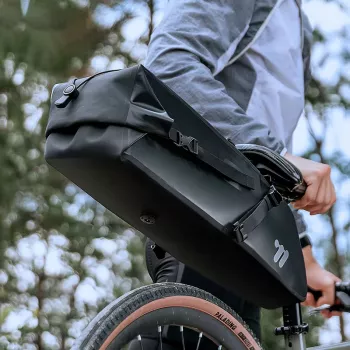
Waterproof Large-Capacity Bicycle Tail Bag for Long-Distance Rides
Long-distance rides demand storage that stays stable, accessible, and protected from sudden weather changes. A waterproof, large-capacity tail bag keeps essential gear close at hand while reducing the need for bulky backpacks. The right setup helps maintain bike handling, prevents rattling, and keeps tools, layers, and electronics dry across changing road and trail conditions. For more guidance, see Bikepacking Gear: The Bags.
What a tail bag needs to handle on long rides
A tail bag gets exposed to everything the rear wheel throws at it, plus the constant micro-movements that happen over hours in the saddle. For long rides, focus on a bag that can handle the realities below without turning into a loose, noisy, hard-to-access mess. For further reading, see Saddlebags for long/overnight rides.
- Rain, road spray, and puddles that soak seams and zippers
- Vibration and repeated impacts that loosen straps over time
- Frequent access stops for snacks, tools, and layers
- Mixed loads: compact items plus odd-shaped essentials like mini pumps or rain shells
- Night and low-light visibility considerations when riding with rear lights
For riders who want one rear storage solution that can cover commuting, day rides, and bigger weekend routes, the Waterproof Large-Capacity Bicycle Tail Bag for Long-Distance Rides is designed around weather protection and space, while still keeping weight tucked behind the saddle instead of on your back.
Waterproofing that actually protects gear
“Waterproof” means more than a tough outer fabric. Water usually sneaks in through openings, seam lines, and wear points where straps rub. A good long-ride tail bag pairs water-resistant material with construction that limits leak paths and keeps the opening shielded from direct spray.
- Look for water-resistant outer materials paired with construction that limits leak points at seams and openings
- Prefer closures designed to shed water; keep openings facing downward or shielded when possible
- Pack electronics and paper items in an extra dry pouch for redundancy during all-day rain
- After wet rides, dry the bag fully to prevent odor and preserve coatings
- Check mounting areas where straps contact the bag body; these spots can wear first
Quick waterproofing checklist before a rainy ride
| Check | Why it matters | Fast tip |
|---|---|---|
| Closure and opening | Most water enters at the top opening | Close fully and avoid overstuffing so seals sit flat |
| Seams and corners | High-stress areas can wick water | Inspect for abrasion; patch small scuffs early |
| Load organization | Wet gear can contaminate dry items | Separate wet layers in a small liner or pouch |
| Post-ride care | Trapped moisture reduces lifespan | Open the bag at home and air-dry completely |
Capacity and packing strategy for day rides to multi-day trips
Large capacity is only useful if the load stays controlled. Poor packing can make even a sturdy bag sway or rub, especially on chip seal, gravel, or rough pavement.
Example tail-bag packing list by ride length
| Ride length | Must-pack essentials | Nice-to-have add-ons |
|---|---|---|
| 2–4 hours | Tube, tire levers, mini tool, CO2/mini pump, snack, keys | Light arm/leg warmers, small first-aid items |
| All-day | Add: extra tube, chain quick link, compact rain shell, more food, sunscreen | Power bank, spare gloves, emergency blanket |
| Multi-day | Add: repair kit, spare brake pads (as needed), larger layers, toiletries | Compact lock, small camp items depending on setup |
If you want a deeper refresher on flat repair basics before a longer route, Park Tool’s guide is a solid reference: Bicycle Tire and Tube Repair. For a broader pre-ride check that reduces roadside surprises, REI’s maintenance checklist is also helpful: Bicycle Maintenance Checklist.
Mounting and stability on the saddle and seatpost
Access, organization, and small details that matter
For off-bike downtime on tours (or for commuting days when you’re not wearing headphones while riding), a compact media device can be a practical add-on to keep in your bag, like the Bluetooth MP3 MP4 Player with 4.0″ Touchscreen. If you like recording route notes, gear checklists, or quick reminders at rest stops, the Mini 8GB Voice Recorder Digital Audio MP3 Player USB Pen with Earphones is another small item that stores easily alongside tools and layers.
Care and longevity for frequent long-distance use
A practical option for long rides: waterproof, large-capacity tail bag
When the goal is to carry tools, layers, and essentials without a backpack, a dedicated waterproof tail bag is one of the cleanest setups. The Waterproof Large-Capacity Bicycle Tail Bag for Long-Distance Rides is built for riders who want generous storage with weather-focused protection, especially for day-long routes where conditions can change mid-ride.
At-a-glance details
| Item | Details |
|---|---|
| Product | Waterproof Large-Capacity Bicycle Tail Bag for Long-Distance Rides |
| Price | 40.97 USD |
| Availability | In stock |
FAQ
Will a waterproof tail bag keep gear dry in heavy rain?
Waterproof materials and protective closures greatly reduce water entry, but prolonged downpours and heavy road spray can still find weak points over time. For best results, fully seal the opening without overpacking and place electronics or paper items in a small dry pouch inside the bag.
How do you stop a saddle bag from swaying on rough roads?
Pack heavier items low and centered, keep the load compact, and tighten straps evenly to prevent side-to-side movement. After 15–20 minutes of riding, re-tension the straps because the load can settle; also confirm the bag maintains safe clearance from the rear tire.
What should go in a tail bag for long-distance rides?
Prioritize flat repair items (tube, levers, pump/CO2), a multi-tool, and quick calories, then add a rain layer and a few first-aid basics. Pack by frequency of use so snacks and layers are easiest to reach, while tools stay grouped and secure.




Leave a comment