Safe Human Foods for Dogs: Toppers, Portions, Toxins

Human Food and Dogs: A Practical Guide to Safe Bites, Toxic Foods, and Simple Meal Planning
Sharing food with a dog can feel like a small act of love—and sometimes it’s genuinely useful, like getting a picky eater to finish dinner or offering a gentle option on an upset-stomach day. But “people food” comes with real risks. Some everyday ingredients are safe in the right portions, while others can trigger vomiting, diarrhea, pancreatitis, or even life-threatening poisoning. The goal is to keep the comfort and convenience without turning meals into guesswork.
Start With the Basics: When Human Food Makes Sense
- Use human foods as small toppers, training treats, or short-term bland meals—not as a full replacement for a complete, balanced diet unless guided by a veterinarian.
- Introduce one new food at a time and watch for vomiting, diarrhea, itchiness, ear redness, or unusual lethargy.
- Keep portions small; many “safe” foods become risky when overfed due to fat, salt, or sugar content.
- Avoid heavily seasoned, fried, sugary, or processed foods even when the core ingredient is safe.
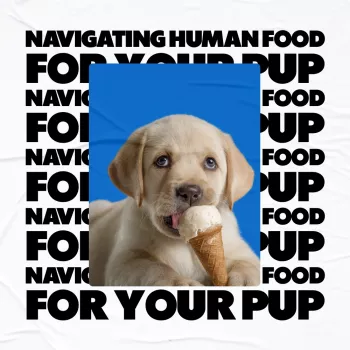
If you want a single, easy reference you can keep on hand for daily decisions, Navigating Human Food for Your Pup – Practical Dog Feeding eBook is designed around safe choices, toxic foods, and simple planning shortcuts.
Safe Human Foods (Common Options and How to Serve Them)
“Safe” still means “plain, low-fat, and in modest amounts.” A chicken breast can be a great topper; chicken skin, drippings, or fried chicken can be a pancreatitis trigger. Think unseasoned, cooked, and simple.
| Food | Serve it like this | Notes |
|---|---|---|
| Chicken or turkey (cooked, plain) | Shredded, unseasoned, mixed into kibble | Skip skin, bones, and fatty drippings |
| Eggs (cooked) | Scrambled or hard-boiled, plain | Avoid butter/oil; start with small portions |
| Pumpkin (plain) | 1–2 teaspoons for small dogs, 1–2 tablespoons for large dogs | Use 100% pumpkin, not pie filling |
| Carrots / green beans | Raw crunchy coins or lightly steamed | Great low-calorie treat option |
| Rice / oatmeal | Plain, cooked, added short-term | Helpful for temporary bland diets when advised |
| Apples / blueberries | Small pieces | Remove seeds/core; keep fruit treats limited |
Toxic and High-Risk Foods to Avoid Completely
Some foods are “sometimes” foods; the items below are “don’t risk it” foods. For a quick check, the ASPCA’s list of foods to avoid is a reliable reference: ASPCA Animal Poison Control Center – People Foods to Avoid Feeding Your Pets.
- Grapes and raisins: can cause acute kidney failure; avoid all forms, including baked goods.
- Onions, garlic, chives, and leeks: can damage red blood cells; powdered forms are also dangerous.
- Chocolate and cocoa: risk increases with darker chocolate; contains methylxanthines that can be toxic.
- Xylitol: found in sugar-free gum/candy, some peanut butters, baked goods, and dental products; can cause rapid low blood sugar and liver injury. See safety alerts: FDA – Xylitol and Pets.
- Alcohol and raw bread dough (yeast): alcohol toxicity and dangerous bloating; both are emergencies.
- Macadamia nuts: can trigger weakness, tremors, vomiting, and fever.
- Cooked bones: splinter risk and potential intestinal blockage; also avoid skewers and corn cobs.
- Very fatty foods (bacon, sausage, fried foods): can trigger pancreatitis, especially in small dogs or those with prior episodes.
Portioning and Frequency: A Simple Rule That Prevents Most Problems
When you’re testing a new add-on, tracking reactions can help you spot patterns quickly. If you prefer speaking notes instead of typing, a simple tool like the Mini 8GB Voice Recorder Digital Audio MP3 Player USB Pen with Earphones can be used to log what was fed and any symptoms that showed up later.
Easy Meal Planning: Safe Toppers and “Bland Day” Options
| Protein | Carb | Veggie/Fiber add-on | Use case |
|---|---|---|---|
| Shredded chicken | Rice | Pumpkin | Gentle option for picky eating |
| Cooked egg | Oatmeal | Green beans | Low-fat topper |
| Lean turkey | Sweet potato (cooked) | Carrots | Higher satiety for treat-heavy days |
| Plain yogurt (if tolerated) | — | Blueberries | Occasional snack/dessert-style treat |
What to Do If a Dog Eats Something Unsafe
For additional food-by-food guidance, the AKC nutrition hub is a helpful companion resource: American Kennel Club – Can Dogs Eat…? (food safety guidance).
A Practical Reference for Daily Decisions
If you want a printable-style framework for everyday use—safe foods, “never foods,” and quick topper combinations—keep Navigating Human Food for Your Pup – Practical Dog Feeding eBook available in your kitchen or on your phone for fast checks.
FAQ
Can dogs eat human food every day?
Yes. Many dogs can have small amounts of plain human food daily as toppers or treats, as long as it stays a minor part of the overall diet and avoids fatty, salty, or seasoned items.
What human foods are most dangerous for dogs?
Grapes/raisins, xylitol, chocolate, onions/garlic, alcohol, raw yeast dough, macadamia nuts, cooked bones, and very fatty foods are among the highest-risk choices. The danger depends on the amount and the dog’s size, but fast action matters for suspected toxins.
What should be done if a dog eats chocolate or xylitol?
Treat it as urgent and contact a veterinarian or pet poison hotline immediately with the product details, the estimated amount eaten, and the time it happened. Do not induce vomiting unless a professional instructs you to.




Leave a comment