Respectful Travel Etiquette: Walk Gently, See More
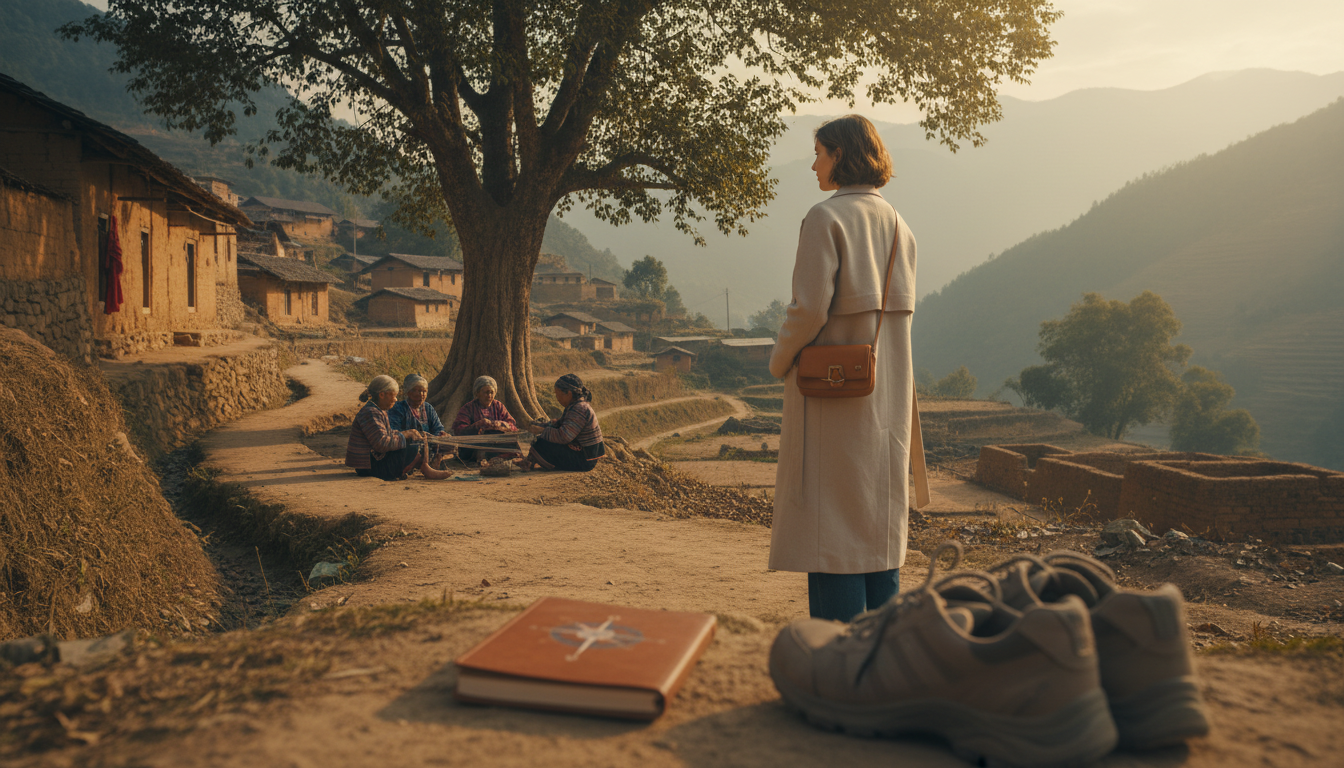
Walk Gently and See the World: A Thoughtful Guide to Respectful Travel
Respectful travel is less about getting everything “right” and more about showing care: noticing local norms, reducing disruption, and treating people as hosts rather than backdrops. Walk Gently and See the World – A Thoughtful Travel Ebook (Digital Download) is designed for travelers who want practical cultural etiquette guidance without rigid rules. It focuses on everyday moments—greetings, dress, photos, markets, religious spaces, and conversations—so choices feel confident, kind, and context-aware wherever a trip leads.
The difference between visiting and belonging (even briefly)
Even short trips create real impact. The goal isn’t to “blend in” perfectly—it’s to enter a place with dignity in mind, making room for local life instead of interrupting it.
- Respectful tourism centers dignity: people and places are not attractions to be consumed.
- Curiosity works best with consent: especially with photos, questions, and personal space.
- Small choices reduce friction: tone of voice, queue behavior, and how long a moment is held up for a shot.
- Cultural norms are not costumes: avoid “performing” local culture for social media.
- Etiquette is part of safety: misunderstandings can escalate quickly in unfamiliar contexts.
Many responsible travel principles align with global guidance, including the UNWTO Global Code of Ethics for Tourism and UNESCO’s sustainable tourism work, both of which emphasize respect for host communities and cultural heritage.
What this ebook helps build: calm, respectful habits
Etiquette is easier when it’s a habit—something you can rely on when you’re tired, jet-lagged, or unsure. The ebook is structured around decision-making patterns that travel well across borders.
- Humility over “expert” energy: enter new cultures ready to learn, not to lecture or compare.
- A repeatable observation method: watch how people greet, dress, and interact before jumping in.
- Polite ways to ask for help: request guidance without expecting one person to translate an entire culture.
- A simple way to recover from mistakes: quick apology, correction, and moving on without defensiveness.
- Journaling prompts that sharpen judgment: turn awkward moments into better choices next time.
For travelers who like to capture notes hands-free—especially on walking tours or in busy markets—a small audio note routine can help. A compact option is the Mini 8GB Voice Recorder Digital Audio MP3 Player USB Pen with Earphones, used for private reminders like “shoes off here” or “ask before photos.”
Everyday etiquette that changes the whole trip
The most meaningful etiquette isn’t formal—it’s the stuff that happens ten times a day. A few steady defaults make you easier to welcome and less likely to cause discomfort.
- Greetings and personal space: mirror local formality; keep gestures simple until cues are clear.
- Dress in context: prioritize modesty rules in sacred or conservative spaces; pack layers for flexibility.
- Shoes, hands, and objects: learn when shoes come off and when the left hand is avoided (where relevant).
- Public behavior: volume, affection, and humor often translate poorly across cultures—choose restraint first.
- Markets and tipping: bargain respectfully where it’s customary; don’t push where it isn’t; tip with local norms in mind.
Quick etiquette decisions in common situations
| Situation | Do | Avoid |
|---|---|---|
| Entering a place of worship | Check posted rules; cover shoulders/legs if expected; keep voice low | Assuming photos are allowed; walking in front of prayer; touching sacred objects |
| Taking photos of people | Ask first; accept “no” instantly; offer to share the photo if welcomed | Sneaking shots; photographing children without guardian consent; blocking pathways for angles |
| Bargaining at a market | Keep it friendly; know a fair range; pay with appreciation when you agree | Mocking prices; aggressive haggling; treating sellers like a game |
| Eating in someone’s home | Wait for the host’s cue; try a small amount; compliment sincerely | Criticizing food; refusing without explanation; rearranging seating |
| Ride shares and taxis | Confirm destination clearly; greet politely; respect quiet norms | Assuming conversation; commenting on politics/religion; filming drivers without consent |
Photography, social media, and the right to be left alone
Photos can be souvenirs, but they can also be extraction. The respectful choice is often less about camera settings and more about relationship: who benefits, who is exposed, and what consent really means once an image spreads.
If you like quiet downtime after transit days, loading a few language tracks or destination audio guides can keep you learning without putting locals “on the spot” for constant explanations. The Bluetooth MP3 MP4 Player with 4.0″ Touchscreen is a travel-friendly way to keep those resources in one place.
Spending and giving back without turning it into a spectacle
Health and safety choices also intersect with respect—staying informed helps reduce strain on local resources. For planning basics and destination-specific considerations, consult the World Health Organization’s travel health guidance.
Digital download details and who it fits best
Walk Gently and See the World – A Thoughtful Travel Ebook (Digital Download) is made for travelers who want a practical, portable guide that can be read before a trip and revisited during it. It’s especially useful for solo travelers, families, study-abroad students, business travelers, and anyone navigating unfamiliar customs.
FAQ
Is this ebook specific to one country or region?
No. It focuses on transferable etiquette principles and practical decision-making habits that apply across many cultures, with examples that help you adapt to local norms once you arrive.
What should be done if a cultural rule is accidentally broken while traveling?
Use a simple repair script: offer a brief apology, correct the behavior immediately, and avoid arguing your intent. Then move forward respectfully while paying closer attention to local cues.
Is it suitable for first-time international travelers?
Yes. It’s beginner-friendly and built around clear, everyday scenarios—greetings, dress, photos, and public behavior—so you can make respectful choices without overthinking every step.







Leave a comment