Quiet Power Neutral Outfits: Texture, Fit, Contrast
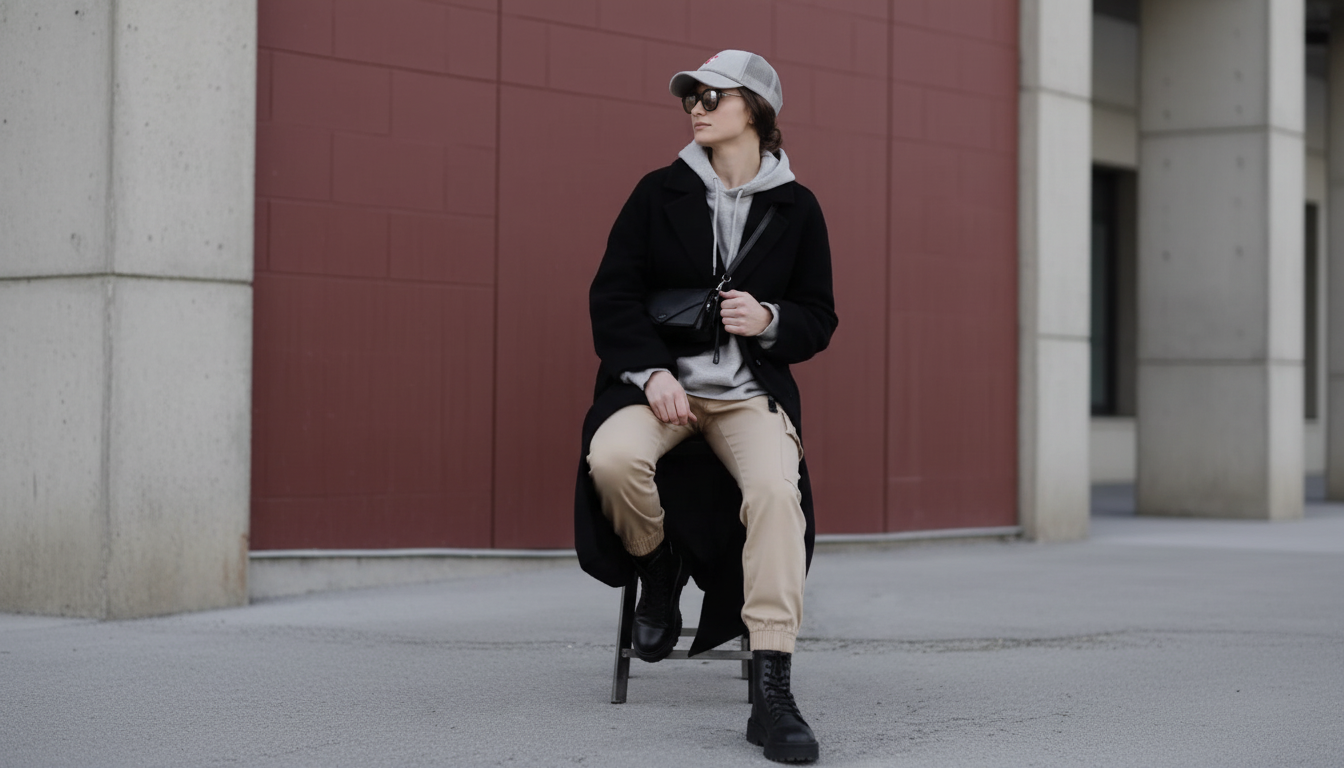
What “quiet power” looks like in a neutral wardrobe
Quiet power dressing in neutrals isn’t about fading into the background—it’s about looking composed on purpose. The effect comes from polished simplicity: clean lines, quality fabric, and a clear point of view instead of many competing details. Think intentional restraint (fewer pieces, worn more ways) and subtle contrast (light vs. dark neutrals, matte vs. shine, soft vs. structured) to create depth without relying on loud color. For more guidance, see How to Build a Neutral Capsule Wardrobe That’s Cool, Not Boring.
Neutrals also tend to photograph well and transition easily across contexts. When your outfit moves well, holds its shape, and looks finished up close, it reads as confident—without needing volume or flash.
Choose neutrals that flatter: undertone, value, and “distance contrast”
Start with undertone. Warm wardrobes typically glow in cream, camel, chocolate, and olive-leaning taupe, while cool wardrobes shine in stone, gray, navy, and espresso-leaning black. Next, use value contrast to keep outfits from looking flat: pair light + dark (ivory with espresso) or mid + dark (taupe with black). Head-to-toe midtones can look muted unless you add structure or strong texture.
Try a quick “distance contrast” check: step back 6–8 feet from a mirror. If your outfit becomes one blended block, add a deeper belt, darker shoe, or a sharper jacket shoulder. For cohesion, keep a signature base: pick 2–3 core neutrals (like ivory, taupe, black) and one accent neutral (like chocolate or navy) that repeats across outfits.
Make neutrals interesting with texture and fabric strategy
In a neutral palette, texture does the work color usually does. Aim to mix at least two textures per outfit—wool + silk, denim + cashmere, poplin + leather, or linen + suede. Balancing matte and shine is especially effective: a satin skirt with a ribbed knit, or a glossy loafer with a brushed wool coat adds dimension without any extra color.
Use seasonal cues to keep your neutrals feeling current. Spring and summer lean airy (linen, cotton poplin, lightweight denim, raffia), while fall and winter welcome depth (wool, tweed, cashmere, corduroy). Avoid wearing the same texture head-to-toe unless the silhouette is strong—like a sharply tailored monochrome suit.
Silhouette and proportion: the fastest way to look expensive in neutrals
When color is quiet, the silhouette speaks louder. Anchor your outfit with structure: a blazer, trench, tailored trousers, or a crisp shirt can project authority even in soft tones. A helpful guideline is “one long line + one definition point”: pair wide-leg pants or a long coat with a defined waist via a tuck, belt, or cropped jacket.
Use volume intentionally. Wide-leg pants look modern with a fitted knit; a column dress becomes powerful with a strong-shoulder layer. Finally, finishing matters more in neutrals—clean hems, correct sleeve length, and the right undergarments keep the look crisp instead of sloppy.
Quiet contrast: small details that prevent a neutral look from feeling plain
Instead of hunting for “the perfect beige,” use near-neutrals for subtle depth: cream + ecru, camel + taupe, charcoal + black. Then add one sharp element as a focal point—pointed-toe shoes, a crisp collar, an angular bag, or a structured belt. Small geometry changes the whole impression.
Keep metals intentional. Gold warms camel and ivory; silver sharpens gray and black. Sticking to one dominant metal per outfit helps the look feel designed, not accidental. If you want a statement, choose statement texture instead of statement color: a croc-embossed belt, suede boots, a bouclé jacket, or a ribbed knit set.
Outfit formulas for effortless neutral dressing
Neutral style gets easier when you stop “creating outfits” and start repeating formulas. Build from a base (top + bottom or a dress), then add: (1) structure, (2) texture, (3) one finishing accessory. Keep footwear tonal to lengthen the line, or choose contrast shoes when the waist is defined or the top is structured so the break looks deliberate.
Neutral outfit formulas that look intentional
| Formula | Best neutrals | When it works | Elevating detail |
|---|---|---|---|
| Cream knit + taupe trousers + trench | Cream, taupe, camel | Workdays, meetings, travel | Leather belt + structured tote |
| Black column (top + skirt/pants) + gray coat | Black, charcoal, gray | Evenings, city days | Silver jewelry + sleek loafer |
| Ivory shirt + dark denim + blazer | Ivory, indigo, navy | Smart casual, office-casual | Crisp tuck + pointed flats |
| Camel sweater + satin midi skirt | Camel, champagne, mocha | Dinner, events, dates | Texture contrast + delicate heel |
| Monochrome set + contrasting shoe | Stone, sand, espresso | Minimalist days | Architectural shoe or bag |
A minimalist capsule that supports a timeless wardrobe
Common pitfalls that make neutrals feel boring (and quick fixes)
When you want a step-by-step system: guided neutral styling
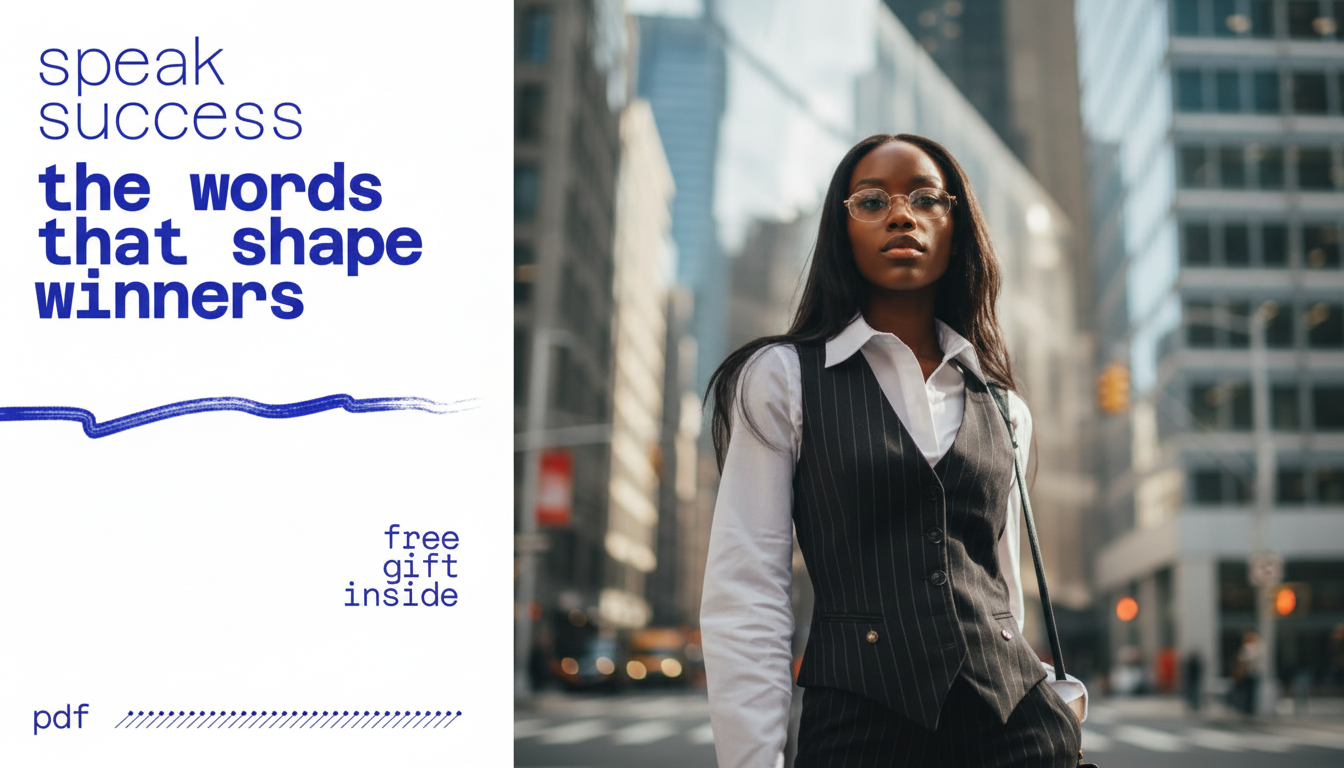
For a ready-to-use approach to building outfits that feel calm, polished, and repeatable, explore the Quiet Power Dressing in Neutrals | eBook Guide on How to Wear Neutrals Without Looking Boring | Minimalist Style, Timeless Wardrobe, Intentional Outfits. To pair style with stronger communication habits, add the Speak Success: Your Power Words Action Checklist | Powerful Words for Success Daily Mindset Tool | Digital Download.
FAQ
How can neutrals look stylish without adding bright colors?
Use contrast through value (light vs dark), texture (matte vs shine), and structure (tailoring). Add one focal point such as a belt, sharp shoe, or structured bag.
What neutral colors are best for a timeless wardrobe?
Pick 2–3 core neutrals that suit your undertone and lifestyle (like ivory, camel, black or gray, navy) and add one accent neutral (chocolate, espresso, or stone) for depth.
How do you keep monochrome outfits from looking flat?
Mix materials (knit + leather, wool + silk), vary shades slightly (cream + ecru), and define the silhouette with a tuck, belt, or structured outer layer.



Leave a comment