Printable Wellness Checklist: Simple Habits for Mental Health
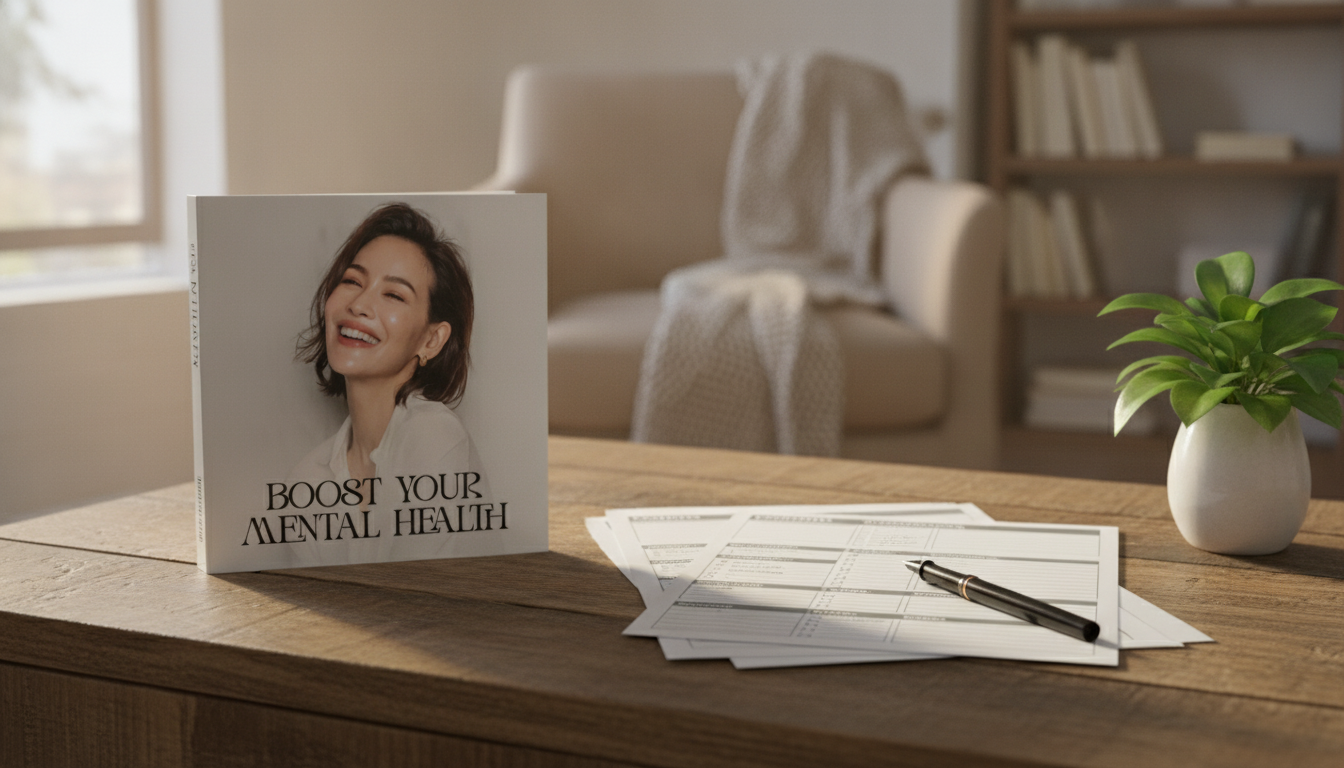
Boost Your Mental Health Through Physical Habits: A Printable Daily Wellness Checklist & Self-Care Planner
Mental health often improves fastest when daily physical habits become simpler, more consistent, and easier to track. A short checklist can reduce decision fatigue, create momentum, and help key basics—sleep, movement, hydration, nourishment, and sunlight—show up reliably. This guide pairs practical habit ideas with a printable daily wellness checklist and self-care planner that turns “good intentions” into a doable routine.
Why physical habits can shift mood and stress
When life feels mentally heavy, big lifestyle overhauls can backfire—especially if they require constant willpower. Physical habits work best when they’re repeatable, forgiving, and easy to measure.
- Consistency matters more than intensity: small actions repeated daily can support steadier energy and a calmer baseline mood.
- The body–mind connection shows up quickly: changes often appear first in sleep quality, muscle tension, appetite cues, and attention span.
- Tracking removes guesswork: seeing patterns (late caffeine, low movement, short sleep) makes next steps clearer.
- A checklist helps on low-motivation days: fewer choices means less friction—and a better chance you’ll follow through.
For a quick evidence-backed overview, the CDC summarizes how physical activity supports mental health, including mood and stress outcomes: Physical activity and mental health.
The daily wellness checklist: core habits to prioritize
A practical checklist focuses on high-leverage basics that work together. If one area slips, the others can help stabilize you until you’re back on track.
- Sleep: aim for a consistent wake time; protect the last 30–60 minutes before bed with a wind-down routine. (If sleep is a struggle, the NHLBI’s guide to healthy sleep habits is a helpful reference.)
- Hydration: start the day with water; use a simple count (like 2–3 refills) rather than chasing perfect ounces.
- Nourishment: include protein + fiber at least once early in the day to stabilize energy and cravings. Harvard’s Healthy Eating Plate is a simple framework for balanced meals.
- Movement: pick “minimum viable movement” (5–10 minutes) to keep momentum even when you’re busy.
- Sunlight and fresh air: stepping outdoors for 5–15 minutes can support circadian rhythm and stress regulation.
- Posture and breathing: one short reset (shoulder rolls + slow exhale) can downshift physical tension fast.
- Connection: one small touchpoint (text, call, shared meal) can buffer stress and reduce isolation.
- Environment: a 2-minute tidy or prep (fill your water bottle, place shoes by the door) reduces tomorrow’s friction.
Quick-start checklist: choose one level per habit
| Habit | Easy (2–5 min) | Standard (10–20 min) | Bonus (20+ min) |
|---|---|---|---|
| Movement | Walk around the block or stretch | Brisk walk, beginner workout, yoga flow | Strength session, hike, sport |
| Hydration | 1 glass of water | 2–3 refills across the day | Add electrolytes after heavy sweat |
| Nourishment | Add fruit or yogurt | Protein + fiber meal | Plan tomorrow’s meal/snack |
| Sleep wind-down | Dim lights + phone off 10 min | Read, shower, journal 20 min | Full routine + consistent lights-out |
| Sunlight | Step outside and breathe | Short walk outdoors | Morning outdoor routine + daylight breaks |
Set up the planner so it actually gets used
The best planner is the one you’ll see and complete on imperfect days. Set it up like a “default path,” not a special project.
- Keep it visible: fridge, desk, nightstand, or inside a daily notebook—where you already look.
- Limit targets to 5–7 items: too many checkboxes increases the chance of skipping entirely.
- Use if–then rules: if the day is hectic, then complete the Easy column for each core habit.
- Track with simple marks: checkboxes, a 1–5 mood rating, and one-line notes (sleep hours, caffeine time).
- Add a reset line: a planned “start again” box reduces all-or-nothing thinking after missed days.
A gentle 7-day routine to build momentum
Instead of changing everything at once, stack one small support each day. The goal is “lighter and steadier,” not perfect.
- Day 1: Choose 3 non-negotiables (example: water, 10-minute walk, consistent bedtime).
- Day 2: Add a wind-down cue (dim lights, prep clothes, or write tomorrow’s first task).
- Day 3: Add nourishment structure (protein at breakfast or a planned afternoon snack).
- Day 4: Add sunlight (step outside within 1–2 hours of waking when possible).
- Day 5: Add a stress-release minute (slow breathing, stretching, or quick shower).
- Day 6: Add connection (reach out to one person or schedule a low-pressure meet-up).
- Day 7: Review patterns and remove one friction point (prep water bottle, move chargers, set reminders).
Common obstacles (and simple fixes)
Printable checklist and self-care planner: what’s included and how to use it
If you want a ready-made layout to start immediately, use the Printable Daily Wellness Checklist & Self-Care Planner. To make your routine easier to stick to, a few supportive add-ons can help: cue a walking playlist with the Bluetooth MP3 MP4 Player with 4.0″ Touchscreen, capture quick reflections with the Mini 8GB Voice Recorder Digital Audio MP3 Player USB Pen with Earphones, and keep outdoor movement comfortable with the Stylish Boys’ Corduroy Hooded Pullover with Pocket.
FAQ
How long does it take for physical habits to affect mental health?
Some changes—like energy, stress level, and sleep quality—can shift within a few days, while steadier mood and resilience usually build over weeks of consistent basics. Tracking patterns helps you notice what’s working even when progress feels subtle.
What if there’s only time for one habit today?
Choose a high-leverage minimum: drink water and do a short walk or gentle movement for 5 minutes. A “minimum day” protects momentum and makes it easier to return to your standard routine tomorrow.
Is a printable checklist better than an app?
A printable checklist is highly visible, low-friction, and reduces screen time, while apps can offer reminders and long-term data. The better option is whichever one you’ll actually see and use every day.







Leave a comment