No-Equipment Solo Outdoor Workouts: Templates & Sessions
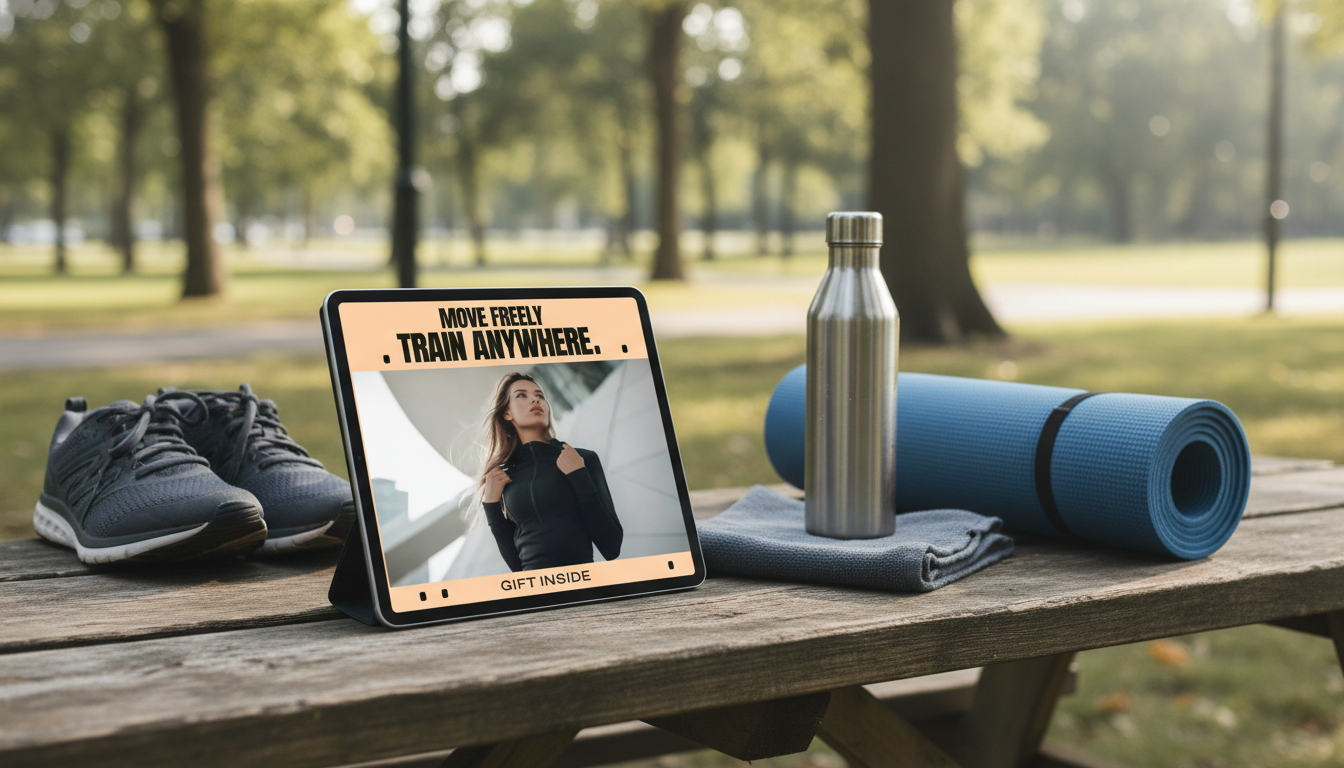
Move Freely, Train Anywhere: Solo Outdoor Workouts With No Equipment
Outdoor training can be simple, effective, and flexible without carrying gear. Sidewalk loops, park benches, stairs, playground bars, and open space can cover strength, conditioning, and mobility—while staying easy to scale up or down. The goal is a routine that feels repeatable: show up, warm up, do a focused block, finish energized, and head back to the day.
What makes outdoor solo training work
The best no-equipment plan is the one that’s easy to repeat. Outdoor sessions tend to “stick” when they’re built around a few reliable principles.
- Use the environment as equipment: hills add intensity, benches make step-ups and incline push-ups accessible, rails can enable rows, and stairs deliver fast conditioning.
- Keep sessions modular: a quick warm-up, one main focus (strength or conditioning), then a short finisher that boosts your mood instead of draining you.
- Track consistency over complexity: repeating the same sessions weekly makes progress obvious—adjust reps, time, or rest rather than constantly changing exercises.
- Balance movement patterns across the week: squat/lunge, hinge, push, pull, carry/core, and locomotion (walk/jog) for a well-rounded base.
For a simple weekly target, public health guidelines support regular aerobic movement plus muscle-strengthening work. The CDC overview is a helpful reference for minimums and general structure: CDC — Physical Activity Basics.
Quick warm-up (6–8 minutes) for sidewalks, parks, or trails
A warm-up doesn’t need to be fancy; it needs to raise temperature, open joints, and switch on the muscles you’ll rely on.
- Raise temperature (2 minutes): brisk walk or easy jog.
- Mobilize joints (1–2 minutes): ankle circles, hip openers, arm circles.
- Activate (2 minutes): glute bridges or hip hinges, scapular push-ups, dead bugs.
- Prep the pattern: 2 short rounds of 5–8 reps each (air squats, incline push-ups on a bench, high knees in place).
Three no-equipment workout templates to rotate
Templates remove decision fatigue. Pick one format per session, then plug in movements based on what your route provides.
| Template | Best for | How long | Example set |
|---|---|---|---|
| Strength Circuit | Full-body strength + control | 20–35 min | 10 squats • 8–12 incline push-ups • 10 reverse lunges/side • 20–30s plank • 8 bench dips |
| Intervals | Fitness + time efficiency | 12–20 min | 30s fast step-ups • 30s rest • 30s mountain climbers • 30s rest (repeat) |
| Trail Ladder | Endurance + variety | 20–40 min | 1–2 min brisk walk/jog between sets; reps: 5-10-15-10-5 for squats and push-ups |
If you like a more structured “pick a template, plug in moves” approach, Move Freely Train Anywhere | Solo Outdoor Workouts Ideas Guide is built for quick planning and repeatable rotations.
Movement menu: build a workout from the space around you
Think in patterns, not exercises. When a park is crowded or a bench is taken, you can swap movements while keeping the training effect.
- Lower body (squat/lunge): air squats, split squats, reverse lunges, lateral lunges, step-ups on a bench or curb.
- Hinge + posterior chain: hip hinges, single-leg hinges, glute bridges on grass, hamstring walkouts (only if the surface is safe).
- Push: incline push-ups (bench/rail), standard push-ups, pike push-ups for shoulders—change the angle to match your level.
- Pull (if available): body rows under a sturdy rail, playground bar hangs/scap pulls. If there’s no safe pulling option, add extra posterior-chain and core work.
- Core + carry: planks, side planks, hollow holds, long-lever marching; optionally add a loaded backpack for suitcase carries.
- Conditioning finishers: short hill sprints, stair repeats, brisk tempo-walk intervals, or shuttle runs in an open field.
Four ready-to-go solo outdoor sessions
Use these as “default workouts” and repeat them for a few weeks. That repetition is what makes progression feel obvious.
Progress without equipment: simple ways to make it harder (or easier)
These “progressive overload” ideas align with classic training guidance on building and maintaining fitness quality over time: American College of Sports Medicine — Quantity and Quality of Exercise for Developing and Maintaining Fitness.
Staying consistent when training solo outdoors
To reinforce follow-through on days motivation dips, pair training with a simple mindset ritual like Speak Success: Your Power Words Action Checklist. If the bigger challenge is getting out of your own way, Break Free: Stop Self-Sabotage Today can support consistency when routines get disrupted.
A flexible digital guide for training anywhere
When outdoor workouts are “grab-and-go,” they become easier to repeat. Move Freely Train Anywhere | Solo Outdoor Workouts Ideas Guide is designed for quick planning: choose a location, pick a template, and follow session ideas that fit limited time and zero equipment. It also works well as a weekly rotation—strength-focused days, conditioning days, and lighter mobility/core days—then progress with time, reps, or rest adjustments.
FAQ
How often should solo outdoor workouts be done each week?
Most schedules can support 2–5 days per week depending on recovery and stress. A practical starting point is 2 strength-style sessions plus 1 conditioning session, with easy walks on the other days.
What if there are no benches, bars, or stairs nearby?
Use flat-ground options like squats, lunges, push-ups, planks, and brisk walk/jog intervals. Progress by slowing the tempo, adding unilateral work, and reducing rest between rounds over time.
Are outdoor bodyweight workouts effective for strength?
Yes—strength improves when movements get progressively more challenging through leverage changes, slower tempo, single-leg variations, and shorter rest. The main limitation is pulling strength unless you have a safe bar or rail for rows or hangs.







Leave a comment