Build a Cozy Miniature Homey Kitchen Dollhouse Kit
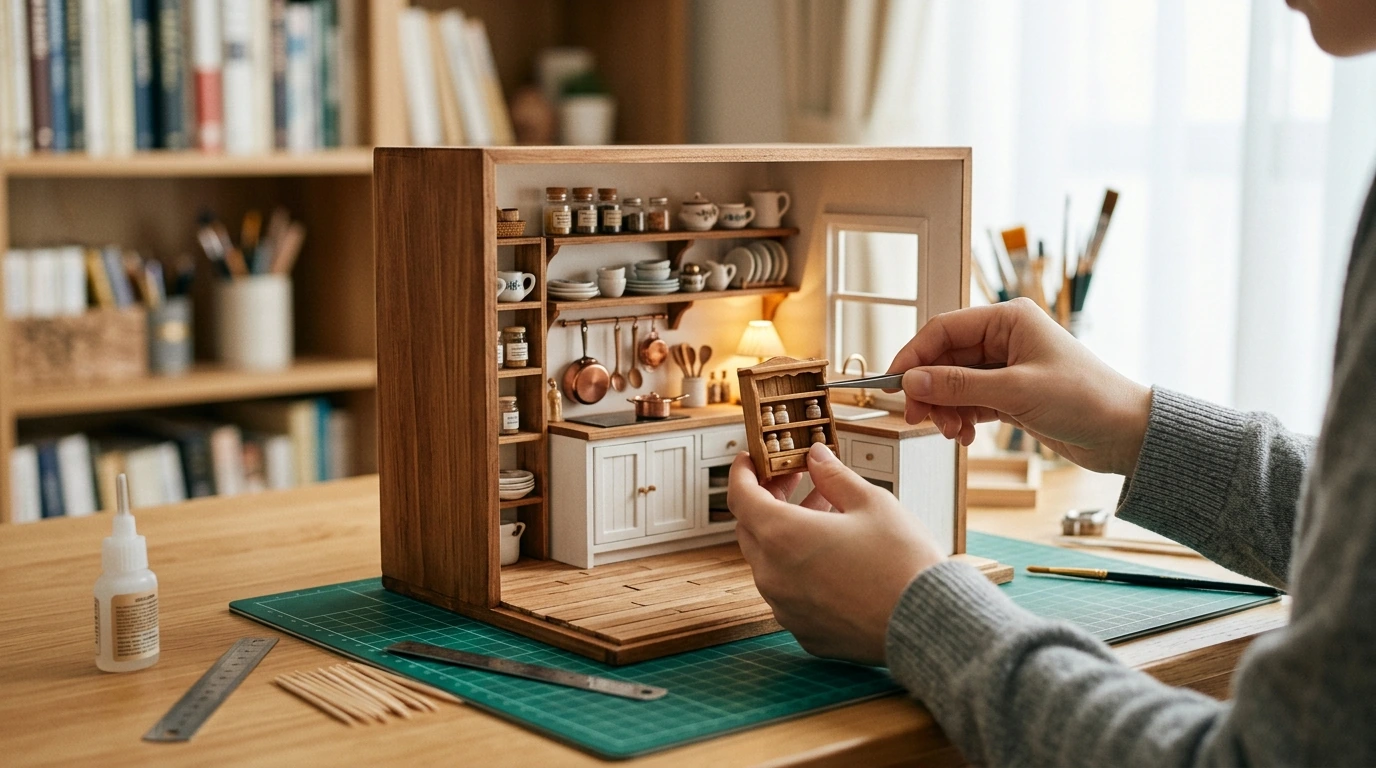
Miniature Homey Kitchen Dollhouse Kit: a cozy build with big display charm
A cozy kitchen scene in miniature brings together hands-on crafting and charming décor. The Miniature Homey Kitchen Dollhouse Kit is designed for builders who enjoy careful assembly, tiny details, and a finished piece that looks warm and lived-in on a shelf, desk, or display cabinet. Whether it becomes part of a miniature collection or a standalone accent, the appeal is the same: you get a relaxing, detail-forward project and a display that invites a second look.
What makes the “homey kitchen” look so inviting
Kitchen-themed miniatures feel instantly familiar. Counters, shelves, dishes, and pantry-style storage echo everyday spaces, so the scene reads as “real” even at a small scale. That familiarity makes it easy to style the finished room so it feels personal—organized, a little bustling, or intentionally cozy.
What really sells the illusion is layering. When small containers, utensils, and food-style accents are arranged with intention, the room gains depth. Instead of looking like a flat diorama, it looks like a miniature moment: something was just set down on the counter, a shelf was recently stocked, and the space has a lived-in rhythm.
Because the layout is compact, it also works well in tight display areas. A warm-toned miniature kitchen can sit comfortably on a nightstand, office desk, or bookcase without feeling visually “busy,” especially when the accessories are balanced and not overcrowded. Finished miniature rooms also make great conversation pieces—people naturally lean in to notice the tiny objects and how they’re placed.
At-a-glance details
| Detail | Info |
|---|---|
| Product name | Miniature Homey Kitchen Dollhouse Kit |
| Price | $32.51 USD |
| Stock status | In stock |
| Display use | Shelf, desk, cabinet décor |
| Skill style | Detail assembly and arranging mini accessories |
What’s typically included and what to have ready
Most miniature room kits follow a similar structure: the core build creates the room shell, then furnishings establish the main shapes (counters, shelves, storage), and finally the small décor pieces bring the scene to life. Those tiny parts are often what make the finished kitchen feel “homey,” but they’re also where patience pays off.
Having a few basic hobby tools on hand can make the difference between a smooth build and a frustrating one. Tweezers help with placement, a small ruler improves alignment, and a cutting mat protects your workspace while you trim or test-fit parts. A clean, well-lit area also prevents lost pieces and helps you catch slight tilts before glue sets.
Common kit parts and helpful tools
| Category | Examples |
|---|---|
| Structural pieces | Walls, floor base, cabinetry panels |
| Kitchen furnishings | Counters, shelves, storage pieces |
| Mini accessories | Containers, utensils, small décor accents |
| Adhesives (recommended) | Clear-drying craft glue; precision applicator |
| Tools (recommended) | Tweezers, small scissors/craft knife, ruler, cutting mat |
| Workspace (recommended) | Bright lamp, small tray for parts, dust-free area for drying |
Assembly flow for a cleaner finish
A neat miniature build usually comes down to sequencing and restraint—especially with glue. Start by dry-fitting pieces before committing to adhesive. A quick test-fit helps confirm orientation, spacing, and whether edges meet flush. Catching a reversed panel early saves a lot of cleanup later.
Next, work from large to small. Build the room base and major furniture first, then add the fine accessories at the end. This keeps your hands from bumping delicate items while you’re still handling the structure and helps you maintain straight lines along walls and cabinets.
Use minimal glue. Excess adhesive can fog clear pieces, warp paper details, or leave shiny spots that stand out against matte finishes. A toothpick or precision applicator helps you place tiny dots exactly where they’re needed.
Personalizing the kitchen scene
After it’s complete, protect the result. A display cover can reduce dust buildup, and placing the miniature away from direct airflow (like an HVAC vent) helps keep tiny accessories from shifting over time. For general background on dollhouses and miniature rooms as a craft and collecting category, see Encyclopaedia Britannica’s overview of dollhouses.
Who it’s for and gifting tips
As a gift, a miniature kitchen is easy to wrap and fun to reveal because the finished look is so charming. For a more complete present, pair it with a small tool upgrade (tweezers and precision glue) or a simple display solution so the finished piece stays clean. If gifting to families, remember that miniature parts can pose a choking hazard; review general guidance around small components and age-appropriateness. The U.S. Consumer Product Safety Commission provides helpful context on small parts regulations, and ASTM publishes the ASTM F963 toy safety standard referenced across the industry.
In-stock picks to round out your craft setup
- Miniature Homey Kitchen Dollhouse Kit (the main build and display piece)
- Bluetooth MP3 MP4 Player with 4.0″ Touchscreen (nice for background music or long crafting sessions at a desk)
- Mini 8GB Voice Recorder Digital Audio MP3 Player USB Pen with Earphones (handy for quick voice notes, step reminders, or a parts checklist)
FAQ
Is this kit suitable for beginners?
Yes—beginners can enjoy it with patience, good lighting, and basic tools. Start with the larger assemblies (base, walls, main furniture), then finish with the smallest accessories once you’re comfortable handling tiny parts.
What glue and tools work best for miniature kits?
Clear-drying craft glue applied with a precision tip (or toothpick) helps keep the finish clean. Tweezers, a small ruler, and a cutting mat also make placement and alignment much easier, and using less glue usually looks better.
Are miniature parts safe around kids and pets?
Miniature parts are typically small enough to be a choking risk, so keep loose components and the finished display out of reach of young children and pets. Adult supervision is a good idea during assembly, and storing leftover parts securely helps prevent accidents.




Leave a comment