Improve Gas Mileage: Driving Habits, Tires, and Maintenance
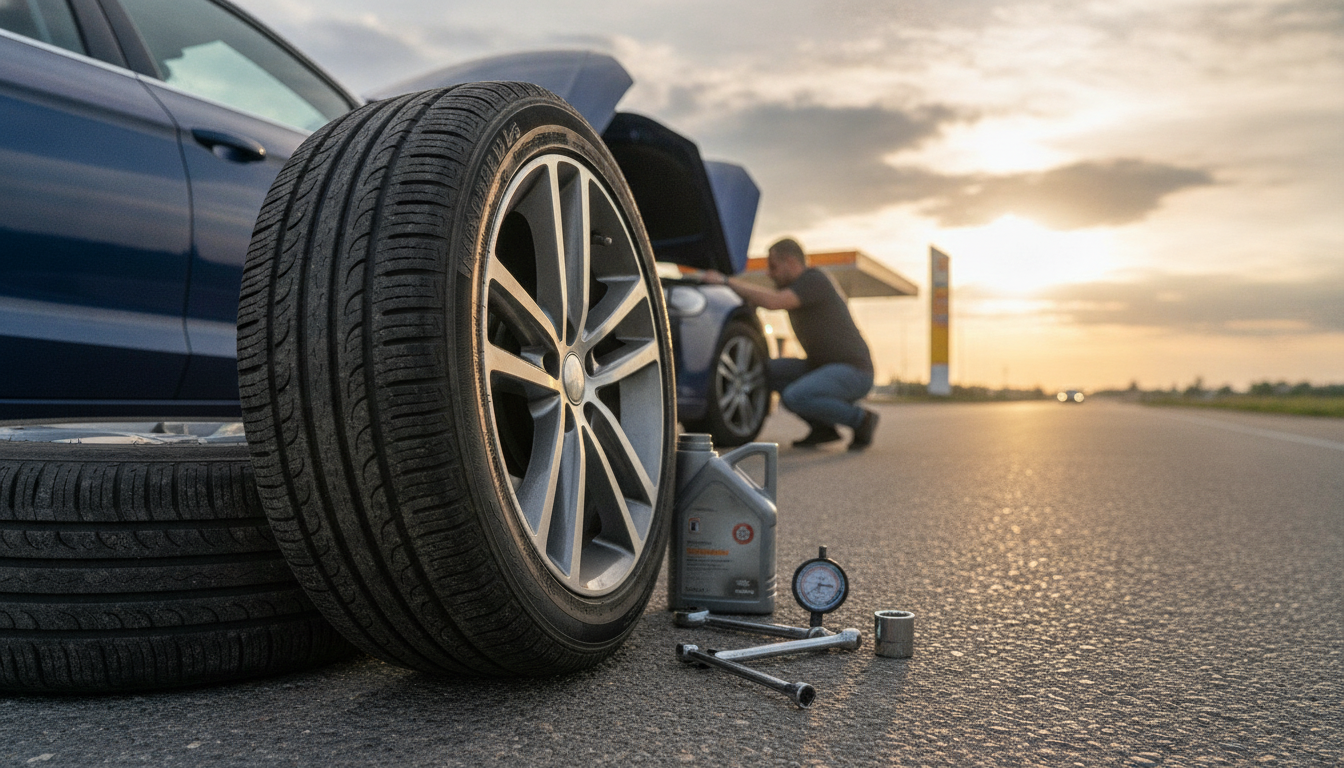
Smart Ways to Improve Gas Mileage: Practical Habits, Maintenance, and Driving Upgrades
Better gas mileage usually comes from stacking small wins: smoother driving, correct tire pressure, reduced drag and weight, and simple maintenance that keeps the engine and drivetrain working efficiently. The steps below focus on changes that are low-cost, easy to start today, and measurable at the pump—so you can see what actually works for your vehicle and your routes.
Start With a Simple Baseline (So Improvements Are Obvious)
If you don’t measure first, it’s hard to tell whether a new habit helped—or whether weather and traffic simply changed. Set a short baseline and stick to one method.
- Track fuel economy for 2–3 fill-ups using the same method each time (full tank to full tank).
- Reset the trip odometer at each fill-up and record gallons and miles; avoid mixing partial fills in the baseline.
- Note driving conditions (highway/city mix, traffic, weather) to explain normal variation.
- Use the car’s MPG display as a coaching tool, but rely on pump math for accuracy.
For practical guidance on fuel-saving techniques and a simple tracking routine, see Smart Ways to Improve Gas Mileage | Practical eBook Guide on how to improve your car’s gas mileage, Save Fuel, Drive Smarter, Lower Costs.
Driving Habits That Save Fuel Immediately
Driving style can change MPG within a single tank. The goal is to reduce unnecessary bursts of power and wasted momentum.
- Accelerate smoothly and avoid “jackrabbit” starts; rapid acceleration burns extra fuel with minimal time saved.
- Anticipate traffic to reduce braking; coasting early toward red lights and congestion is one of the easiest MPG wins.
- Hold steady speeds on open roads; frequent speed changes increase fuel use.
- Use cruise control on flat highways when conditions are safe; avoid it on hilly terrain where it can over-throttle.
- Keep speeds moderate: aerodynamic drag rises sharply as speed increases, so higher freeway speeds can cost noticeable MPG.
- Limit idling; if waiting more than about a minute (and safe/legal), turning off the engine can save fuel in many cases.
For additional driving pointers backed by national guidance, review tips from FuelEconomy.gov and the U.S. EPA.
Tires, Alignment, and Rolling Resistance
Tires are where your car “spends” energy on the road. Small issues here can quietly add up, especially on long commutes.
- Check tire pressure monthly and before long trips; underinflated tires increase rolling resistance and fuel consumption.
- Inflate to the vehicle placard pressure (door jamb), not the maximum on the tire sidewall.
- Fix slow leaks promptly; repeated top-offs often indicate a puncture, valve stem issue, or bead leak.
- Get alignment checked if the vehicle pulls, steering wheel is off-center, or tires wear unevenly—misalignment can add drag.
- Choose replacement tires with attention to rolling resistance and correct size; improper sizing can reduce efficiency and affect speedometer accuracy.
Maintenance That Protects MPG (Without Overpaying)
Maintenance is often less about “boosting” MPG and more about preventing gradual losses. If a car used to get better mileage, maintenance frequently restores what’s been slipping.
Aerodynamics and Weight: The Hidden Fuel Drains
Air Conditioning, Electrical Loads, and Smart Comfort Choices
Quick-Impact Checklist: Effort vs. Potential Savings
| Action | Effort | Typical MPG Impact | Best For |
|---|---|---|---|
| Check and correct tire pressure | Low | Low–Medium | Everyone; especially seasonal temp changes |
| Smooth acceleration and fewer hard stops | Low | Medium | City driving and heavy traffic |
| Reduce high-speed cruising | Medium | Medium–High | Highway commuters |
| Remove roof rack/cargo box when not needed | Low | Medium | Frequent highway driving |
| Fix alignment / dragging brakes | Medium | Medium | Pulling, uneven wear, sluggish rolling |
| Address check-engine light promptly | Medium | Medium–High | Any vehicle with stored fault codes |
| Reduce idling and warm-up time | Low | Low–Medium | Short trips, pickups, delivery driving |
A Practical Guide for Building Long-Term Fuel-Saving Habits
- Use a step-by-step plan to combine driving technique, maintenance timing, and simple tracking so improvements stick.
- Focus on repeatable routines (monthly tire checks, seasonal maintenance, weekly MPG notes) to keep costs predictable.
- Reference: Smart Ways to Improve Gas Mileage | Practical eBook Guide on how to improve your car’s gas mileage, Save Fuel, Drive Smarter, Lower Costs.
If you like capturing quick reminders hands-free—like noting which station you used or what traffic was like—consider a simple audio note tool such as the Mini 8GB Voice Recorder Digital Audio MP3 Player USB Pen with Earphones or the Bluetooth MP3 MP4 Player with 4.0″ Touchscreen to keep your tracking consistent.
FAQ
Does speeding really reduce gas mileage that much?
Yes—once speeds climb, aerodynamic drag rises sharply, and the engine must work harder just to push air out of the way. Many vehicles see noticeably better MPG by keeping highway speeds moderate (often around the 55–70 mph range, depending on traffic and conditions).
Is it better to use A/C or drive with the windows down?
At low speeds, windows down can be efficient, but at higher speeds open windows add drag that can cost more fuel than the A/C. A practical rule is: in city driving, try windows first; on faster roads, use A/C at a comfortable setting and avoid max-cool when it isn’t needed.
How often should tire pressure be checked for best fuel economy?
Check at least monthly and before long trips, since tires naturally lose pressure over time and temperature swings can change readings. Use the door-jamb placard pressure, and investigate repeated low readings because a slow leak can quietly waste fuel.







Leave a comment