How to Style an Apron Dress: Formulas, Capsules, Layers
The Apron Dress Comeback: Everyday Outfit Formulas, Capsule Pairings, and Seasonal Layering
The apron dress (also called a pinafore) is back because it does what modern wardrobes need: it layers easily, adapts to casual-to-polished settings, and creates a complete look with minimal pieces. Below is a practical system you can repeat—starting with fit, moving into plug-and-play outfit formulas, then finishing with seasonal layering and smarter planning. For more guidance, see APRON DRESS for some more apron dressing… – Instagram.
Why the apron dress works right now
- Built-in structure: the straps and bib add shape and visual interest even with basic tops.
- Layering-friendly: it works over tees, knits, button-downs, and lightweight turtlenecks without requiring a full “outfit overhaul.”
- Capsule advantage: one dress multiplies outfits by swapping the base layer, shoes, and topper.
- Practical styling: pockets, durable fabrics, and easy movement make it an everyday piece, not just a trend.
- Style range: it can read minimalist, cottage, retro, or modern depending on cut and accessories.
For a little fashion-history context on how workwear and utilitarian garments cycle into everyday style, the Metropolitan Museum of Art’s Heilbrunn Timeline of Art History is a helpful reference point.
Apron dress silhouettes and what they flatter
- A-line mini or midi: balances hips and is easy to dress up with boots or loafers.
- Straight column: sleek and modern; pair with fitted knits to avoid bulk through the torso.
- Wrap-front or button-front: adjustable fit that adds definition and structure.
- Smocked or gathered skirt: soft and feminine; keep the top layer streamlined.
- Denim or canvas: casual backbone; looks best with clean basics and simple accessories.
- Linen or cotton poplin: breathable for warm weather and ideal for tonal outfits.
Quick fit checks before buying
| Area | What to check | Why it matters |
|---|---|---|
| Straps | Adjustability and placement (not slipping, not digging) | Controls comfort and neckline height |
| Bib | Width across chest and where it hits (mid-bust vs. higher) | Affects proportions and layering ease |
| Waist/Seams | Seam placement and ease through midsection | Prevents pulling and adds polish |
| Skirt volume | Walkability and fabric weight | Determines drape and how it layers with coats |
| Length | Mini/midi/maxi relative to shoes | Changes formality and season versatility |
The everyday outfit formula (top + apron dress + third piece + shoes)
If apron dresses ever feel “cute but confusing,” this four-step formula turns them into an automatic outfit.
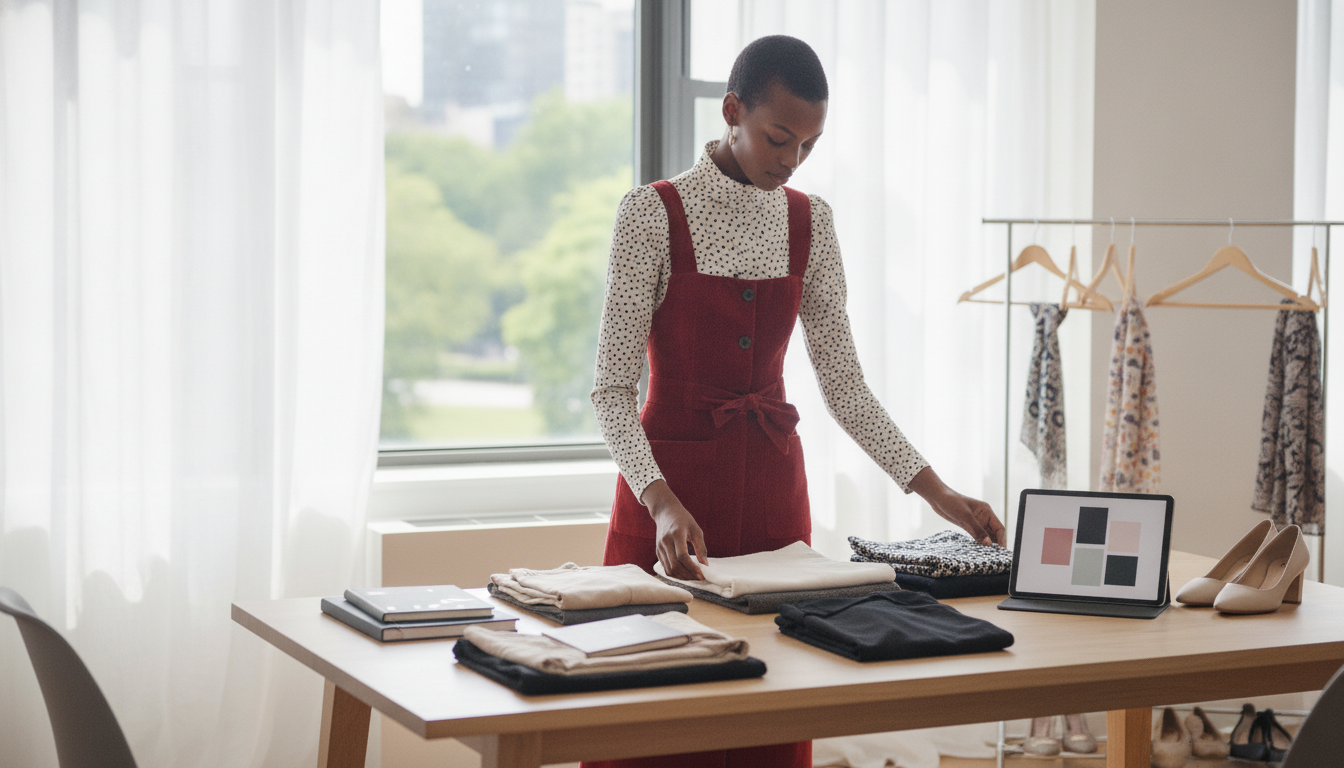
- Start with the base layer: match the dress vibe—fitted rib tee for sleek, oversized button-down for relaxed, fine-gauge knit for polished.
- Add a third piece: cardigan, blazer, chore jacket, trench, or denim jacket finishes the look and makes it feel intentional.
- Pick shoes by hem + plan: sneakers for errands, loafers for work, ankle boots for in-between weather, sandals for heat.
- Choose one focal point: statement earrings, a patterned scarf, or a belt bag. If the bib is detailed, keep accessories simpler.
- Easy color rule: tone-on-tone base layer + dress, then contrast with shoes or outerwear.
Plug-and-play outfit formulas
| Scenario | Base layer | Third piece | Shoes |
|---|---|---|---|
| Errands | White tee | Denim jacket | Sneakers |
| Casual lunch | Striped long-sleeve | Light cardigan | Ballet flats |
| Office-friendly | Fitted mock neck | Blazer | Loafers |
| Date night | Sleek knit top | Leather jacket | Heeled boots |
| Weekend getaway | Button-down (half-tucked under bib) | Trench | Comfort sandals |
Capsule wardrobe pairings that multiply outfits
- Core tops: white tee, black tee, striped top, chambray shirt, fine knit turtleneck, lightweight sweatshirt.
- Outerwear lineup: cropped denim jacket, cardigan, blazer, trench, and a warm coat (wool or puffer depending on climate).
- Shoe capsule: clean sneakers, loafers, ankle boots, minimal sandals—plus one “personality” shoe like Mary Janes or clogs.
- Accessory capsule: small hoops, a watch, a crossbody bag, and a scarf; keeping metals consistent makes mixing easier.
- Color map: pick 2 neutrals + 1 accent color; let the apron dress be either the neutral anchor or the accent hero.
Runway coverage and street style roundups can be useful when you want to see how proportions shift year to year; Vogue’s fashion section is a reliable place to spot those styling patterns.
Seasonal layering playbook
Using AI tools to plan outfits and shop with less guesswork
For background on AI-assisted planning concepts and tools, OpenAI is a useful starting point.
A streamlined styling system in one place
If you want a repeatable system—outfit formulas, capsule pairing ideas, seasonal layering maps, and planning tools—this resource pulls it together: The Apron Dress Comeback | Apron Dress Styling Guide, Capsule Wardrobe eBook, Everyday Outfit Formula, Seasonal Layering & AI Tools.
To make outfit planning even easier day-to-day, a couple of simple add-ons can help you stay consistent: save outfit notes or packing lists, and keep a “get-ready” playlist handy for timed mornings. If you like that kind of structure, these in-stock picks can support the routine: Bluetooth MP3 MP4 Player with 4.0″ Touchscreen and Mini 8GB Voice Recorder Digital Audio MP3 Player USB Pen with Earphones.
FAQ
What do you wear under an apron dress?
Use a fitted tee or tank in summer, a long-sleeve tee in spring, and a fine-gauge turtleneck or mock neck in fall and winter. If the bib sits higher on the chest, choose a crew or mock neck; if it’s lower, a scoop or square neckline can balance the proportions without adding bulk.
Can an apron dress look polished enough for work?
Yes—choose a structured fabric, a darker neutral, and a midi length, then layer with a blazer or a sleek cardigan. Finish with loafers or ankle boots and minimal jewelry so the dress reads tailored rather than casual.
How do you style an apron dress in winter without feeling bulky?
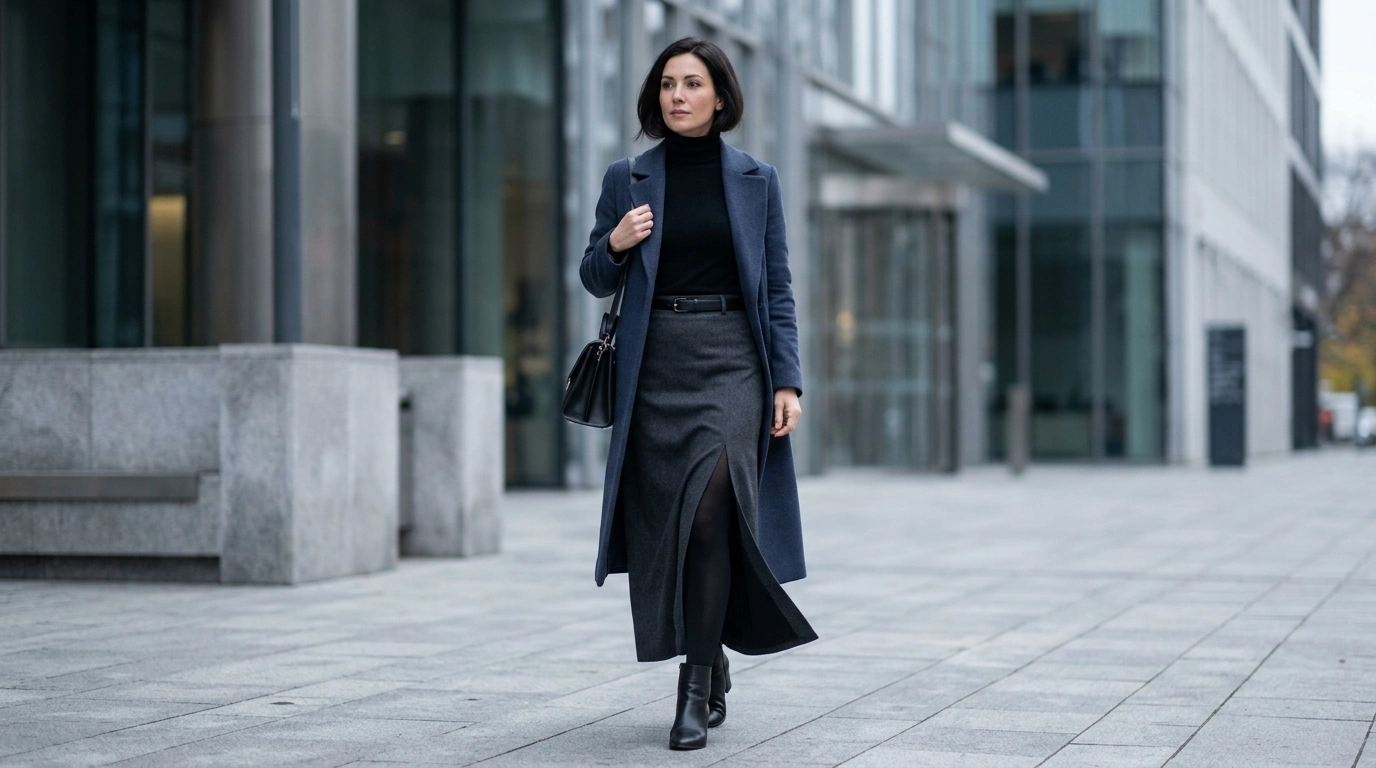
Start with a thin thermal layer and a fine-knit top, then add tights and sleek boots to keep the silhouette streamlined. If the skirt is fuller, keep the under-layer fitted and wear a longer coat to create a clean vertical line.



Leave a comment