Heavy-Duty Aluminum Pipe Wrench: Light, Strong, Precise
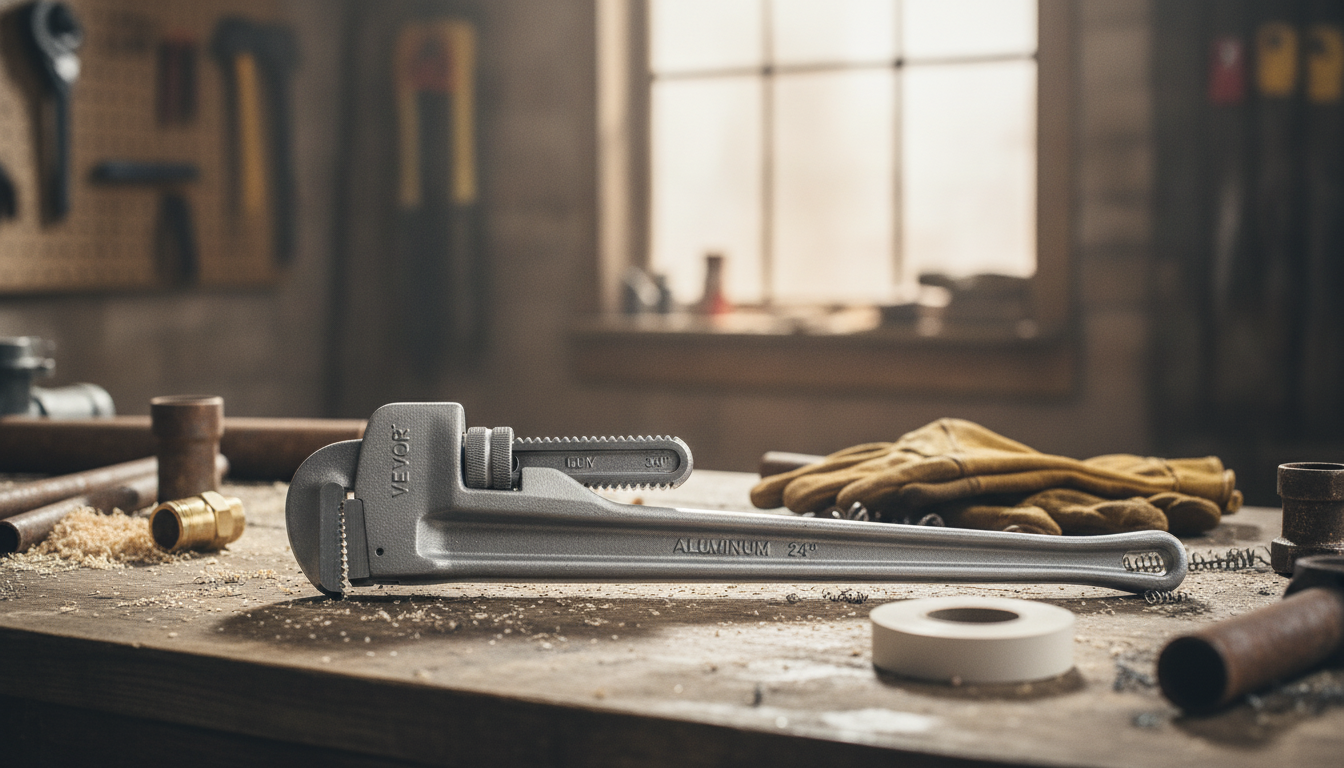
Heavy-Duty Aluminum Pipe Wrench for Fast, Secure Grip in Tight Spaces
A heavy-duty aluminum pipe wrench delivers the bite and leverage needed for threaded pipe work while keeping overall tool weight lower than many all-steel options. That lighter carry can make a real difference on service calls, ladder work, overhead pulls, and long repair days—without giving up the hardened jaw teeth that do the gripping. Below is a practical guide to the design details that matter most, how to choose the right size, and how to use a pipe wrench safely when space and swing room are limited.
What Makes an Aluminum Pipe Wrench “Heavy-Duty”
Not every aluminum-bodied wrench is built for repeated high-torque work. A heavy-duty model is typically defined by the strength of its handle/beam, the quality of its jaw components, and how reliably it holds adjustment under load.
- High-strength aluminum alloy body: Reduces carry weight while maintaining rigidity so the wrench doesn’t feel “spongy” when you pull.
- Hardened steel jaws: The hook jaw and the movable jaw should have hardened teeth that keep a consistent bite on common pipe materials like steel and iron.
- Stable adjuster mechanism: A good knurl and adjustment nut should resist back-off so the wrench stays set during repeated pulls.
- Reinforced beam profile: A stiffer handle/beam limits flex when breaking loose stubborn fittings and helps keep the jaw faces seated.
Where It Performs Best
Aluminum pipe wrenches shine anywhere you want strong grip without hauling extra weight from job to job.
- Plumbing rough-in and repair: Tightening and loosening threaded pipe, nipples, unions, and fittings.
- Mechanical and maintenance work: Plant rooms and utility spaces where corroded connections need steady, controlled torque.
- HVAC and gas line tasks: When a firm bite is necessary—always follow local codes and appropriate procedures.
- Service calls and ladder work: Reduced tool weight can lower fatigue and improve control in awkward positions.
Key Features to Check Before Buying
When two wrenches look similar, small design differences often determine whether the tool feels precise and secure—or slips at the worst time.
- Jaw capacity range: Choose a capacity that matches the diameters you actually work on. Undersizing increases slippage risk and accelerates tooth wear.
- Tooth geometry and hardness: Teeth should bite reliably without immediately rounding over. Worn teeth are a common cause of sudden slips.
- Smooth adjuster travel: The knurl and nut should move quickly for rapid sizing changes, especially when you’re wearing gloves.
- Handle length: Longer handles boost leverage for stuck fittings, but shorter lengths can be easier to swing in cabinets, chases, and tight corners.
- Replaceable jaw parts: If available, replaceable hook/jaw components can extend the tool’s life after heavy use.
Aluminum vs. Steel Pipe Wrenches
Handle material influences weight and corrosion behavior, but the jaw condition and correct positioning still drive real-world grip.
Quick Comparison: Aluminum and Steel Pipe Wrenches
| Feature | Aluminum Body | Steel Body |
|---|---|---|
| Weight | Lower carry weight; easier overhead | Heavier; more fatigue over time |
| Corrosion behavior | Aluminum resists rust; steel jaw still needs care | Body may rust if coating is damaged |
| Jobsite handling | Strong when used correctly; avoid abusing threads/adjuster | Often more tolerant of drops and abuse |
| Best fit | Service calls, ladders, extended use | Shop work, harsh environments, occasional heavy prying (not recommended) |
For many technicians, aluminum hits the sweet spot: strong enough for daily tightening and break-loose tasks, but light enough to keep moving efficiently throughout the day.
Choosing the Right Length and Capacity
Two sizing mistakes cause most frustrations: picking a wrench that’s too short to move a seized fitting, or too large/small to fully seat the jaws.
How to Use a Pipe Wrench Safely and Effectively
Good technique is what turns strong teeth into dependable grip. For general hand-tool safety principles, see OSHA’s guidance on hand tools at OSHA.gov.
For a broader safety framework in workplace settings, NIOSH’s overview of risk reduction is a helpful reference: NIOSH Hierarchy of Controls.
Care and Maintenance for Long Service Life
Product Spotlight: Heavy-Duty Aluminum Pipe Wrench
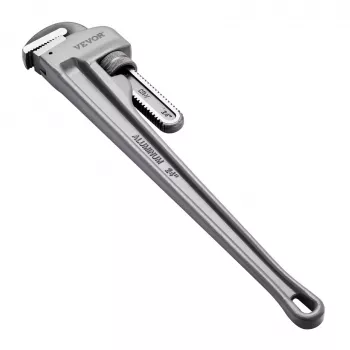
If you want a practical, lighter-carry wrench for repeated tightening and break-loose tasks, the Heavy-Duty Aluminum Pipe Wrench is built to deliver a strong bite while staying easier to handle on ladders, overhead runs, and tight utility spaces. For stubborn threaded joints, pairing it with a second holding wrench helps keep the line stable while you turn.
For organizing measurements, model numbers, and jobsite notes while you work, consider adding a compact recorder to your kit, such as the Mini 8GB Voice Recorder Digital Audio MP3 Player USB Pen with Earphones.
FAQ
Does an aluminum pipe wrench hold as well as a steel one?
Grip depends mainly on jaw design, tooth condition, and correct positioning. Aluminum reduces weight, and most models still use hardened steel jaws, so holding power is comparable when used properly.
What size pipe wrench is best for home plumbing repairs?
A mid-size wrench covers many common household threaded pipe tasks, but the best choice depends on the pipe diameters you encounter. If you work in tight cabinets, a shorter wrench improves control; for stubborn fittings, a longer handle adds leverage.
How can slipping be prevented when loosening a stubborn fitting?
Tighten the adjuster so the jaws fully seat, orient the wrench in the correct direction, and pull with steady force. Use a second wrench for backup and replace worn teeth if the jaws no longer bite cleanly.




Leave a comment