Quiet, Hands-Free Pet Drying Box for Cats & Small Dogs
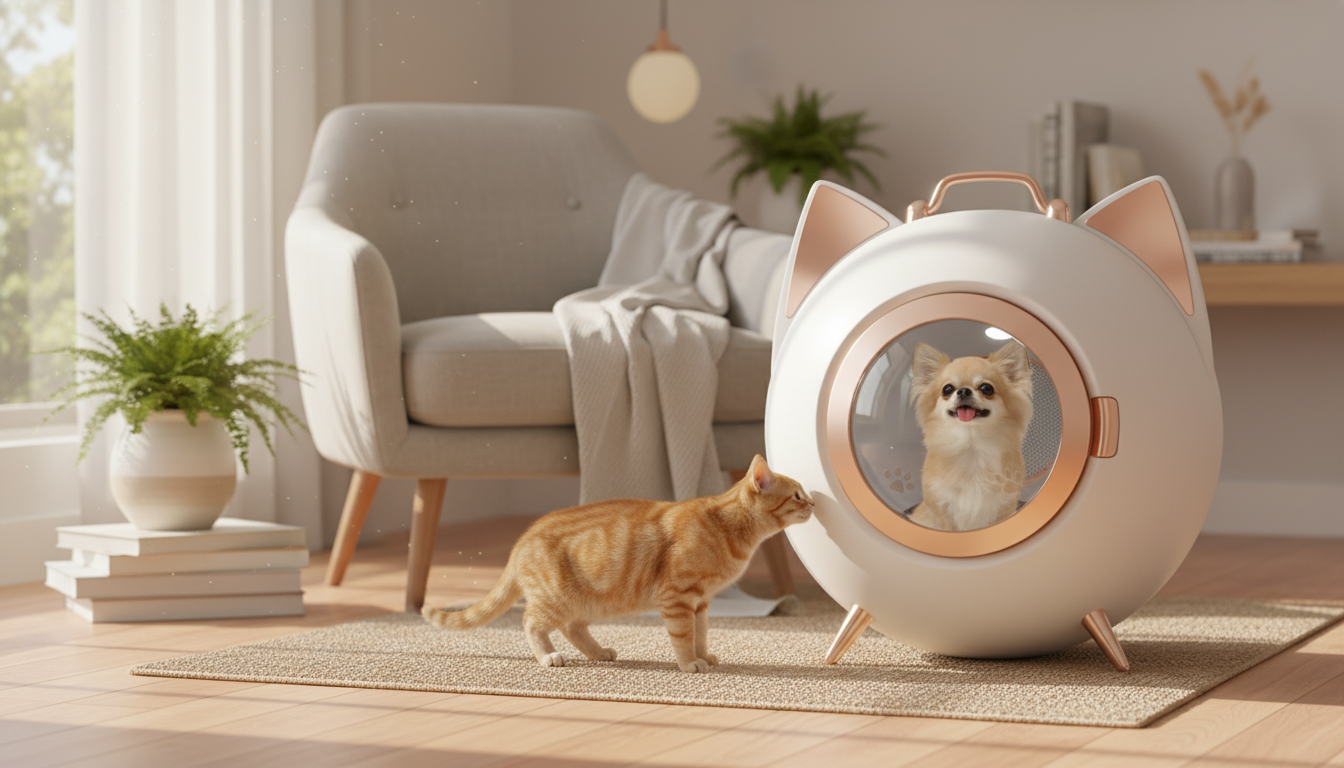
Smart Portable Pet Drying Box: Gentle, Hands‑Free Drying for Cats and Small Dogs
Bath time is only half the job—drying can be noisy, time‑consuming, and stressful for pets that dislike hair dryers. A smart portable pet drying box creates a calmer, enclosed space with controlled airflow and temperature so coats dry more evenly while your hands stay free. The result is a tidier bathroom, fewer wet “shake-offs” across the house, and a routine that can feel more predictable for sensitive cats and small dogs.
What a smart portable drying box does
A portable drying box is essentially a compact, enclosed drying chamber designed for smaller pets. Instead of blasting air directly at the face and ears (a common trigger for anxious pets), it circulates air around the body in a contained space.
- Creates an enclosed drying environment that reduces splashing, shaking, and the spread of moisture around the home.
- Uses circulating airflow to dry the coat more evenly than towel drying alone, especially along the sides and underbelly.
- Adds controllable heat (in smart models) to keep drying comfortable rather than overly hot.
- Often includes timers and preset modes to simplify use during busy routines.
- Works best for cats and small dogs after towel blotting removes excess water.
For best performance, think of it as “towel first, box second.” Removing surface water up front shortens the drying cycle and helps keep the airflow gentle.
Comfort and safety features that matter most
Not all drying boxes feel the same to a pet. The most useful models focus on steady, adjustable conditions rather than maximum heat.
- Temperature control: Adjustable settings and steady heat distribution help avoid hot spots.
- Airflow control: Multiple fan speeds support different coat densities and pet comfort.
- Timer and auto shutoff: Helps reduce the chance of over-drying and supports safer “hands-busy” moments (without replacing supervision).
- Ventilation design: Intake and exhaust layout should prevent stuffiness and keep airflow fresh.
- Materials and door design: Smooth, easy-to-clean surfaces and a door that closes securely without pinching.
- Noise level: Quieter operation helps anxious pets acclimate more easily.
- Size and weight capacity: Enough room for the pet to sit and turn comfortably without being cramped.
For general coat-care guidance, resources from the American Kennel Club (AKC) can help you match drying and brushing habits to coat type. For stress signals to watch during grooming, consult the ASPCA pet care resources.
Quick comparison: drying box vs. other drying methods
| Method | Drying Speed | Noise | Mess Control | Best For | Main Watchouts |
|---|---|---|---|---|---|
| Towel drying | Low–Medium | Very low | Medium | Light coats, quick touch-ups | Can leave damp undercoat; may cause tangles if rubbing |
| Handheld hair dryer | Medium–High | Medium–High | Low | Targeted drying on tolerant pets | Overheating risk; pets may fear noise/air blast |
| Grooming stand dryer | High | Medium | Medium | Frequent grooming at home | Needs space; drying can still feel exposed |
| Smart drying box | Medium | Low–Medium | High | Hands-free drying for small pets | Needs proper sizing and monitoring; not for brachycephalic stress-prone pets without guidance |
Step-by-step routine for a calm drying session
A drying box works best as part of a predictable, low-drama routine. Early sessions should be short and easy so your pet learns the box is a safe place.
- Before the bath: Brush out loose hair and tangles to prevent matting during drying.
- After rinsing: Gently squeeze water from the coat, then blot with an absorbent towel (avoid vigorous rubbing).
- Prepare the box: Place it on a stable, level surface; confirm vents are unobstructed; choose a low setting for first sessions.
- Introduce gradually: Let your pet sniff and enter on their own; use small treats to build positive association.
- Start conservative: Begin with lower heat and moderate airflow, then adjust based on coat type and comfort.
- Check frequently: Watch breathing, posture, and stress signals; pause if panting, agitation, or distress appears.
- Finish with a brush: Once mostly dry, brush to separate the coat and reduce tangles; ensure paws and undercoat are dry.
If your pet has any health conditions that could affect heat tolerance, it’s wise to review general pet-care guidance from the American Veterinary Medical Association (AVMA) and follow your veterinarian’s advice.
Who it’s best for (and when to skip it)
Product spotlight: Smart Portable Pet Drying Box
The Smart Portable Pet Drying Box is designed for portable, at-home drying with an enclosed setup that helps keep moisture contained. It’s a practical option for hands-free grooming routines after towel blotting, especially for pets that tolerate gentle, indirect airflow better than a direct dryer blast.
At-a-glance details
| Item | Details |
|---|---|
| Product | Smart Portable Pet Drying Box |
| Price | 911.80 USD |
| Availability | In stock |
| Product page | https://desireditemsgallery.shop/smart-portable-pet-drying-box/ |
More in-stock picks
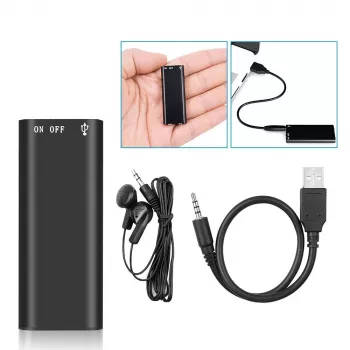
- Mini 8GB Voice Recorder Digital Audio MP3 Player USB Pen with Earphones
- Speak Success: Your Power Words Action Checklist (Digital Download)
- Break Free: Stop Self-Sabotage Today (Digital eBook)
Care, cleaning, and long-term upkeep
FAQ
How long does a drying box take to dry a cat or small dog?
Most sessions fall in the 20–60 minute range depending on coat length, undercoat density, and how thoroughly you towel-blotted first. Start with conservative settings and check progress periodically—paws, belly, and undercoat often take the longest.
Is a pet drying box safe to use unattended?
No—pets should be monitored even if the unit has timers or auto shutoff. Stop the session if you see signs of overheating or stress such as panting, persistent vocalizing, frantic scratching, or trying to escape.
Can a drying box help reduce shedding and tangles?
It can help when paired with brushing, because steady drying reduces the chances of damp hair clumping and makes it easier to separate the coat. It’s not a standalone de-shedding tool, so brushing before and after (and ensuring the undercoat is fully dry) matters.






Leave a comment