First-Time Car Insurance Checklist: Mistakes New Drivers Make

First-Time Driver Insurance Mistakes Checklist: A Practical Guide for New Drivers
Getting car insurance for the first time can feel like a maze of terms, prices, and “must-have” add-ons. A simple checklist helps new drivers avoid the most common missteps—like choosing the wrong coverages, missing discounts, or setting a deductible that backfires after the first claim. Use the sections below as a step-by-step guide, then keep a printable checklist on hand when comparing quotes.
Before Getting Quotes: What to Gather and Decide
Quotes go faster (and stay more accurate) when the basic inputs are consistent. Before you start, gather the details insurers will ask for and set a couple of guardrails so you don’t get upsold or under-covered.
- Driver details: license status, driver’s ed/defensive driving completion, prior insurance (if any), and who will be listed on the policy.
- Vehicle details: VIN, mileage estimate, where it’s parked overnight, and ownership/loan/lease information.
- Usage details: commuting distance and any rideshare/delivery plans (this can affect eligibility and claim coverage).
- Budget guardrails: a monthly premium target plus an emergency fund amount that could cover your deductible immediately.
- Non-negotiables: lender/lease requirements for comprehensive/collision and any minimum liability limits you need.
If you’re calling multiple agents, it can also help to keep a short script of your “fixed inputs” so you don’t accidentally change mileage, deductibles, or limits mid-comparison.
Coverage Mistakes That Cost the Most
Many expensive insurance surprises happen because the policy technically meets state rules, but doesn’t match real-world costs. These are the most common coverage missteps for brand-new drivers:
- Choosing state-minimum liability limits without considering how quickly repairs and medical bills can exceed them.
- Skipping uninsured/underinsured motorist coverage where it’s optional, even though “the other driver can’t pay” is a common scenario.
- Buying comprehensive and collision without understanding them: comprehensive generally covers theft, vandalism, glass, and weather; collision generally covers crash damage to your car.
- Setting a deductible too high to comfortably pay after an accident, saving a little monthly but risking a big, stressful bill later.
- Forgetting MedPay or PIP rules in your state and how they interact with health insurance.
- Not matching coverage to the car’s value: over-insuring an older vehicle (where payouts may be limited by actual cash value) or under-insuring a newer financed car.
Quick guide: common first-time mistakes and safer defaults
| Decision area | Common mistake | Why it backfires | Better checkpoint |
|---|---|---|---|
| Liability limits | Picking the lowest allowed | A single at-fault crash can exceed limits fast | Price out mid-level limits and compare the difference |
| Uninsured/underinsured | Declining to save money | No protection if the other driver can’t pay | Add it unless the cost is truly prohibitive |
| Deductible | Choosing the highest deductible | Claim becomes unaffordable, delaying repairs | Pick a deductible you can pay today |
| Comp vs. collision | Buying one without the other by accident | Gaps appear (theft vs. crash damage) | Confirm both are included when needed by loan/lease |
| Add-ons | Accepting every add-on at checkout | Pays for overlapping benefits or low-value extras | Add only what fills a real gap (e.g., rental if needed) |
Quote Comparison Pitfalls (and How to Avoid Them)
Two quotes with the same monthly price can be wildly different in what they actually cover. Keep comparisons “apples-to-apples” with these checkpoints:
- Match coverage details: confirm liability limits, uninsured/underinsured limits, and comprehensive/collision deductibles are identical across every quote.
- List household drivers correctly: leaving someone off (or misclassifying them) can trigger rate changes later or cause claim complications.
- Use accurate mileage/commute info: small changes can materially shift pricing.
- Compare equal policy terms: 6-month totals vs. 12-month totals can look cheaper or pricier depending on how they’re displayed.
- Look past premium: consider claims handling reputation, payment options, and customer support hours.
- Watch for one-time factors: paid-in-full discounts, paperless/autopay deals, and introductory promotions can change at renewal.
For consumer-friendly explanations of how auto policies work, the NAIC Consumer Guides and the Insurance Information Institute are helpful references.
Discounts New Drivers Commonly Miss
Discounts can make a bigger difference than most first-time shoppers expect—especially if you stack a few. Ask each insurer to confirm eligibility (don’t assume they’ll apply everything automatically).
If you need a neutral overview of what states require and what policies typically include, USA.gov’s car insurance page is a straightforward starting point.
Policy Setup Mistakes After Buying Coverage
Downloadable Checklist: A Simple Way to Stay Consistent While Shopping
First-Time Driver Insurance Mistakes Checklist (PDF download)
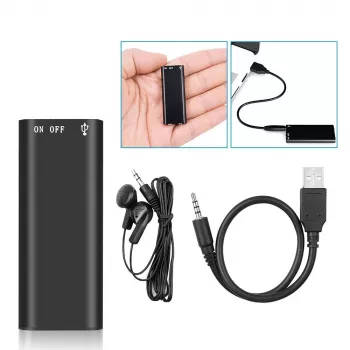
If you’re collecting details from multiple calls, a simple way to avoid missed notes is to record reminders right after each quote conversation (where legal and appropriate). For that, consider the Mini 8GB Voice Recorder Digital Audio MP3 Player USB Pen with Earphones.
FAQ
What coverage is usually required for a financed or leased car?
Most lenders and leasing companies require comprehensive and collision coverage (often with specific deductible limits) and may also require certain liability minimums. Check your loan/lease paperwork and confirm the requirements with your insurer before finalizing the policy.
Is a higher deductible always the best way to lower the monthly premium?
No—raising the deductible usually lowers the premium, but it also increases what you must pay out of pocket after a claim. A practical rule is to choose a deductible you could pay immediately from savings without delaying repairs.
Do safe-driving apps (telematics) help new drivers save money?
They can, especially if you drive smoothly and at lower-risk times, but scoring commonly considers hard braking, speeding, late-night driving, and mileage. Read the program terms to understand privacy details and whether the rate can change at renewal based on your recorded driving behavior.






Leave a comment