Find Your Kibbe Body Type: Easy Style Rules & Outfits
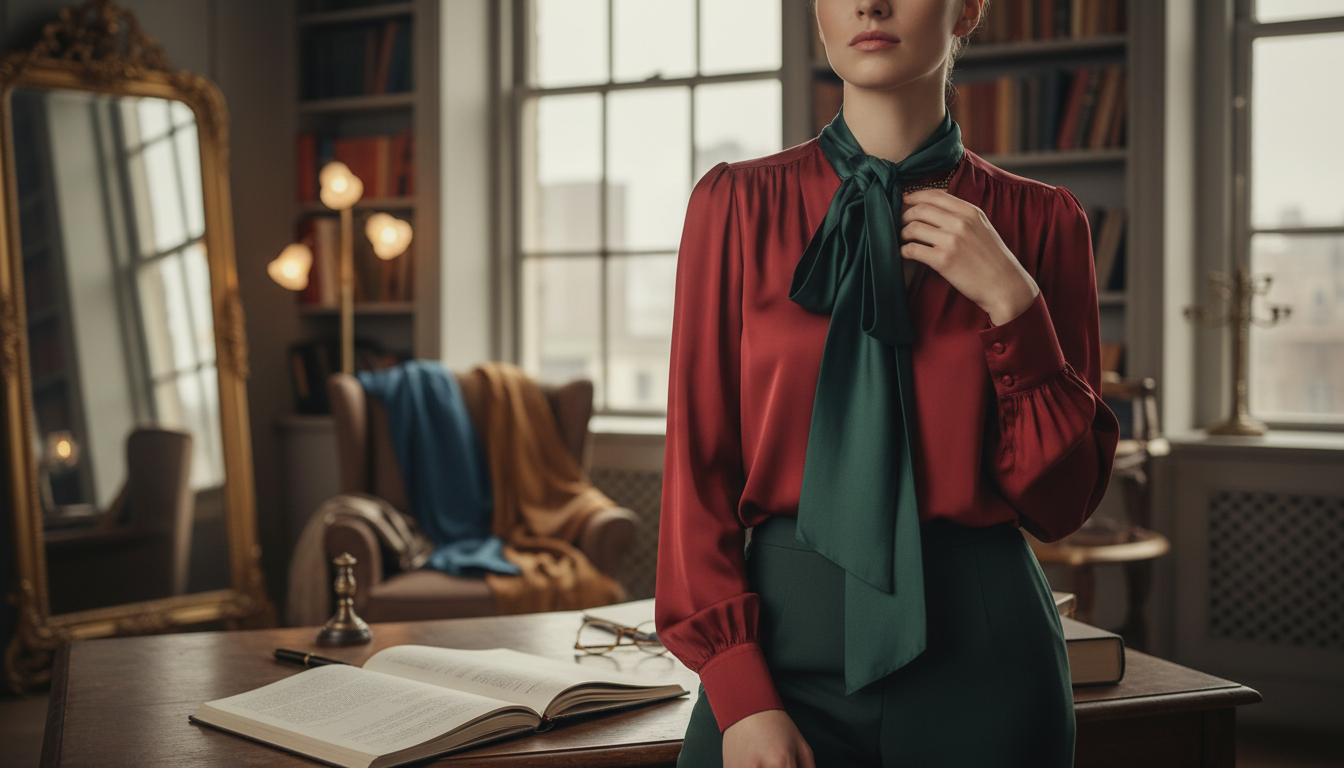
Shape Your Style with Kibbe Insights: Find Your Kibbe Body Type & Style Your Wardrobe Perfectly
Kibbe styling focuses on the overall impression of your lines—height, curve, angularity, and proportions—so clothing looks intentional rather than “almost right.” Instead of chasing random rules, the goal is to echo what your body already does naturally: long and sleek, softly rounded, compact and contrasted, or evenly balanced. Once you understand your “shape story,” it gets much easier to choose silhouettes, fabrics, necklines, and details that make outfits look cohesive across casual days, workwear, and special occasions. For more guidance, see Build a Capsule Wardrobe Based on Your Kibbe Body ….
What Kibbe styling measures (and what it doesn’t)
Kibbe is about the big visual read first. It prioritizes line and silhouette before individual features. For further reading, see The Kibbe Body Types – how to make your style work for you.
- Line and silhouette first: vertical length, width, and curve create your overall head-to-toe impression.
- Balance of yin/yang: softer roundness vs. sharper angularity, shown through bone structure and flesh.
- Proportion patterns: shoulder line, waist definition, hip line, and limb length inform the most harmonious cuts.
- Not a body-ranking system: the aim is harmony, not “fixing” or hiding anything.
- Not the same as fruit shapes or measurements: two people with similar numbers can look completely different in the same outfit.
If you want to read the original source material background, David Kibbe’s “Metamorphosis” is widely referenced (see the WorldCat listing). For a modern overview, Vogue’s explanation of Kibbe body types offers a helpful starting point.
A quick self-assessment to narrow your type
A fast way to narrow your direction is to identify what stands out first: vertical, width, curve, balance, or petite contrast. Use full-body photos taken at chest height in a simple, fitted outfit—avoid angled selfies and heavy styling that can mask the line.
- Start with vertical: does the eye read you as elongated, or more moderate/compact?
- Check your shoulder line: narrow and sloped, broad/blunt, or sharp/structured?
- Notice curve: does fabric pull around bust/hips, or does it hang straighter?
- Look at contrast: do crisp, high-contrast details look natural, or do softer blends suit you more?
Self-check signals and what they suggest
| What stands out first | Common visual clue | Often points toward |
|---|---|---|
| Vertical length | Outfits look best with long, unbroken lines | Dramatic / Soft Dramatic / Flamboyant Natural |
| Width/bluntness | Relaxed shapes look polished, not sloppy | Natural / Flamboyant Natural |
| Curve | Waist definition and drape look “right” immediately | Romantic / Soft Natural / Soft Classic |
| Even balance | Moderate tailoring looks effortlessly refined | Classic / Soft Classic / Dramatic Classic |
| Petite + sharpness | Small scale with crisp edges looks harmonious | Gamine family |
Kibbe families at a glance
Think in families first, then refine—most closets improve dramatically once you stop fighting your dominant line.
- Dramatic: long vertical, sharp edges; thrives in sleek structure and minimal fuss.
- Natural: broader/blunt lines; thrives in relaxed shapes, texture, and easy movement.
- Classic: balanced symmetry; thrives in clean tailoring and moderate detail.
- Gamine: compact with contrast; thrives in broken lines, playful structure, and smaller-scale details.
- Romantic: soft curve; thrives in rounded shapes, drape, and waist emphasis.
- Blends matter: “soft” adds curve; “flamboyant” adds elongation or boldness; “dramatic classic” adds sharpness to balance.
Wardrobe building rules that work for every type
- Silhouette comes first: pick 2–3 repeatable outfit shapes that match your lines (not trends).
- Fabric strategy: choose fabrics that either hold structure (for sharper lines) or drape (for softer curve) without resisting your frame.
- Detail scaling: match accessories, prints, and trim to your scale—too large overwhelms, too tiny disappears.
- Necklines and shoulders: replicate your shoulder/neckline geometry (sharp, rounded, open, or compact).
- Finish the head-to-toe story: shoes and hair complete the line—especially important for vertical types and gamines.
Outfit formulas by family (easy starting points)
Use these as a “first draft” formula, then refine length, fabric weight, and detail size.
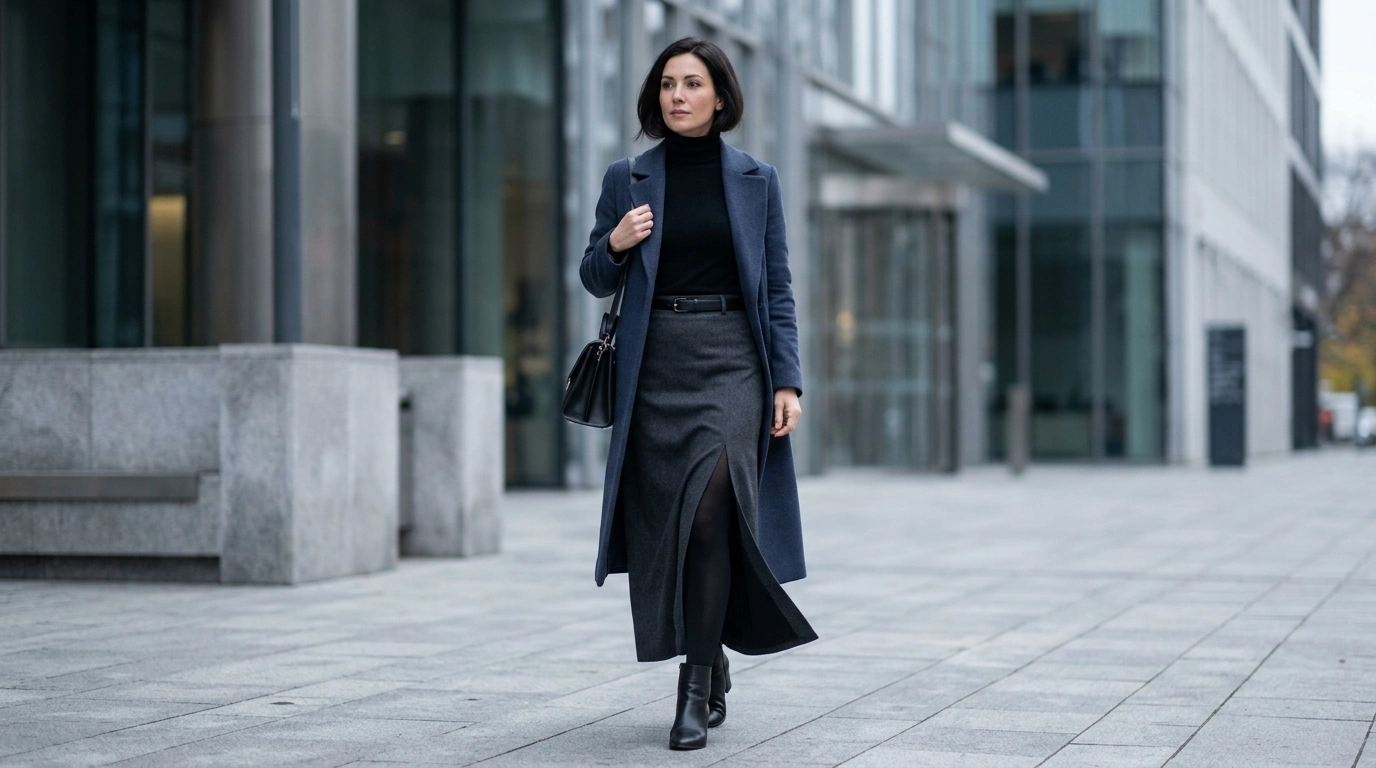
- Dramatic: long coat or column dress + sleek shoe + minimal jewelry; keep edges clean and vertical intact.
- Natural: relaxed jacket + textured knit + straight leg or easy trouser; add organic accessories (leather, wood, matte metals).
- Classic: tailored blazer + refined top + straight skirt/pant; moderate contrast and polished finishes.
- Gamine: cropped jacket + high-waist bottom + crisp shoe; use color-blocking or distinct separates to break lines.
- Romantic: wrap top + curve-skimming skirt/pant + soft shoe; emphasize waist and rounded details (drape, ruching).
Common mistakes that create “something feels off” outfits
A guided way to pinpoint your type and refine your closet
Recommended picks to support your style process
- Shape Your Style with Kibbe Insights: Find Your Kibbe Body Type & Style Your Wardrobe Perfectly ($12.99) — a focused guide to help translate line observations into wearable wardrobe choices.
- Mini 8GB Voice Recorder Digital Audio MP3 Player USB Pen with Earphones ($9.82) — handy for quick outfit notes during try-ons, closet edits, or shopping trips.
- Bluetooth MP3 MP4 Player with 4.0″ Touchscreen ($34.67) — useful for saving lookbook videos or keeping a dedicated style reference library on the go.
FAQ
How long does it take to find a Kibbe body type?
Many people narrow to a Kibbe family in a few focused sessions, then refine to a subtype after testing outfits in photos. Seeing how real silhouettes behave on your body is usually more reliable than first impressions.
Can weight change affect a Kibbe type?
Your underlying line and bone structure typically stay consistent, while flesh distribution can change how fabrics fit. Instead of changing types, it’s usually more effective to adjust fabric weight, fit, and where you place waist emphasis.
What if I relate to more than one Kibbe type?
Start with what reads strongest—vertical, width, curve, balance, or petite contrast—then follow family-level guidelines. Outfit experiments (especially full-body photos) tend to confirm which direction looks most harmonious.



Leave a comment