Dog Muzzle Checklist: When to Use One and How to Fit It
Does My Dog Need a Muzzle? A Practical Safety Checklist for Calm, Confident Decisions
A muzzle can be a thoughtful safety tool—not a label. The right choice depends on the moment, the risk level, and your dog’s comfort. A clear checklist helps you make a calmer call: protect people, protect other animals, and protect your dog from scary situations that can spiral fast.
What a Muzzle Is (and Isn’t)
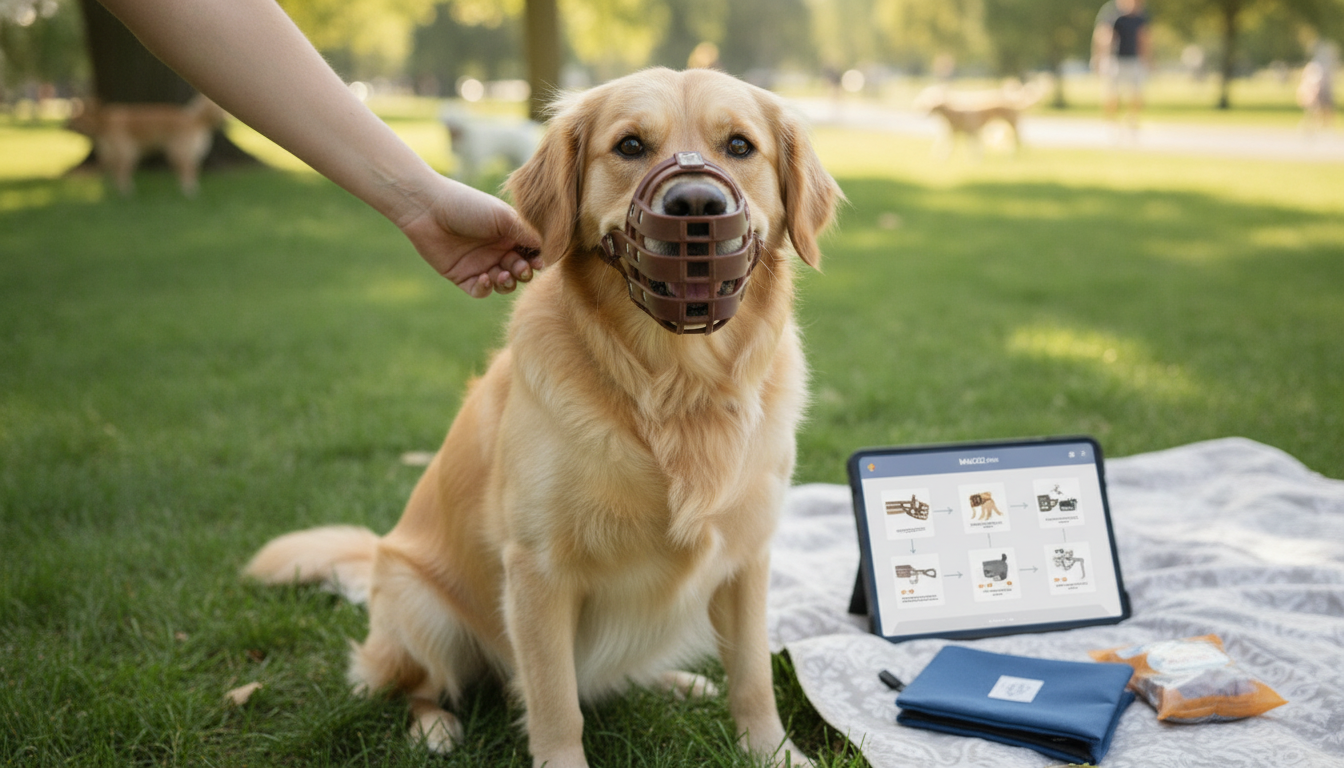
A muzzle is a temporary safety aid for specific situations—like veterinary care, grooming, injury pain, crowded transport, or structured training plans. Used well, it reduces the chance of a bite while you work on the real issue: stress, fear, pain, or over-arousal.
A muzzle is not a substitute for behavior modification, supervision, secure containment, or responsible handling. If a dog is repeatedly put into situations they can’t cope with, a muzzle alone won’t solve the underlying problem.
Comfort and function matter. For any wear beyond a brief procedure, a well-fitted muzzle should allow panting (a main cooling method) and—ideally—drinking. Stigma can lead to rushed choices; focusing on humane fit and risk reduction leads to safer outcomes for everyone.
Quick Decision Checklist: When a Muzzle Is a Responsible Choice
- Bite history or near-miss: any prior bite, snap with contact, or repeated attempts to bite during handling.
- High-stress handling moments: nail trims, ear cleaning, wound care, injections, post-surgery checks, or removing burrs/ticks from sensitive areas.
- Fearful or reactive behavior: lunging, growling, or intense fixation around strangers, children, dogs, or confined spaces.
- Pain or medical issues: dogs in pain may bite even if normally gentle.
- Crowded environments: public transit, elevators, festivals, tight trails, or areas with strict leash enforcement where unexpected contact is likely.
- Legal or policy requirements: breed-specific rules, local ordinances, housing policies, or facility protocols for boarding/grooming.
- Scavenging risk: persistent eating of rocks, trash, feces, or dangerous items where a basket-style anti-scavenge setup may be recommended by a professional.
Muzzle decision snapshot
| Situation | Risk level | Muzzle helpful? | Notes for responsible use |
|---|---|---|---|
| Vet exam or injections for a fearful dog | High | Yes | Choose pant-friendly design; pair with treats and calm handling. |
| Grooming/nail trim with repeated snapping | High | Yes | Use short sessions; stop if overheating or panic escalates. |
| Busy sidewalk with a reactive dog in training | Medium–High | Often | Combine with distance, management, and a training plan. |
| Dog park play | High | Usually no | Muzzles can raise risk during rough play; avoid unless guided by a qualified professional. |
| Short car ride with calm, social dog | Low | Usually no | Focus on restraint, harness, or crate instead. |
| Known scavenger on walks | Medium | Sometimes | Use a basket style that allows panting; continue training and vet guidance. |
Choosing a Humane Type: Basket vs. Soft vs. Occlusion Styles
- Basket muzzles (plastic, rubber, biothane, wire): generally best for longer wear because they can allow panting, drinking, and treat delivery when sized correctly.
- Soft fabric/nylon muzzles: intended for very short use under close supervision; many restrict panting and are not suitable for walks or warm conditions.
- Occlusion/closed styles: can prevent biting but often restrict panting and drinking; use only for brief, controlled procedures with professional guidance.
- Fit priorities: pant room, no rubbing at the nose bridge, secure straps, and a design that prevents slipping off during movement.
- Climate and activity matter: panting is essential for cooling; restrictive designs increase overheating risk.
Fit and Comfort Checklist (Before Any Real-World Use)
- Pant test: your dog can open their mouth enough to pant comfortably when mildly active.
- Drink test: your dog can access water if the muzzle may be on longer than a quick procedure.
- Rub check: after 1–2 minutes, inspect the bridge of the nose and around the lips for pressure points or pinching.
- Security check: the muzzle stays on during head shakes and light leash movement without needing excessive tightness.
- Treat access: treats can be delivered through the muzzle during training and stressful moments.
- Time limits: set a conservative maximum time, build duration gradually, and remove immediately if panic, overheating, or frantic pawing occurs.
Stress-Free Introduction: A Step-by-Step Conditioning Plan
Conditioning turns the muzzle into a predictable “good things happen” cue. Keep sessions short, upbeat, and easy enough that your dog stays relaxed.
Using a Muzzle Safely in Everyday Situations
For additional bite-prevention and muzzle-training guidance, see the AVMA dog bite prevention resources, the AKC muzzle training guidance, and the RSPCA advice on muzzles.
Helpful Tools (In Stock)
- Does My Dog Need a Muzzle – Practical Safety Checklist for Responsible Dog Owners | Stress-Free Decisions & Peace of Mind
- Mini 8GB Voice Recorder Digital Audio MP3 Player USB Pen with Earphones
When to Get Professional Help
FAQ
Is it cruel to muzzle a dog?
No—when the muzzle is properly fitted, introduced with positive conditioning, and used briefly under supervision, it can be a humane safety measure. Problems happen when a muzzle is used as punishment, fits poorly, or restricts panting long enough to create overheating risk.
Can my dog pant and drink water with a muzzle on?
Many basket-style muzzles can allow panting and may allow drinking, depending on design and fit. Fabric muzzles often restrict panting and are best reserved for very short, closely supervised procedures.
How long can a dog wear a muzzle safely?
There isn’t one universal time limit; it depends on the muzzle type, temperature, stress level, and constant supervision. Build duration gradually, offer breaks, and remove it immediately if you see panic, overheating signs, or intense struggling.






Leave a comment