Dog Dehydration Prevention: Habits, Water Needs & Signs
Preventing Dog Dehydration: Daily Hydration Habits and Warning Signs Every Owner Should Know
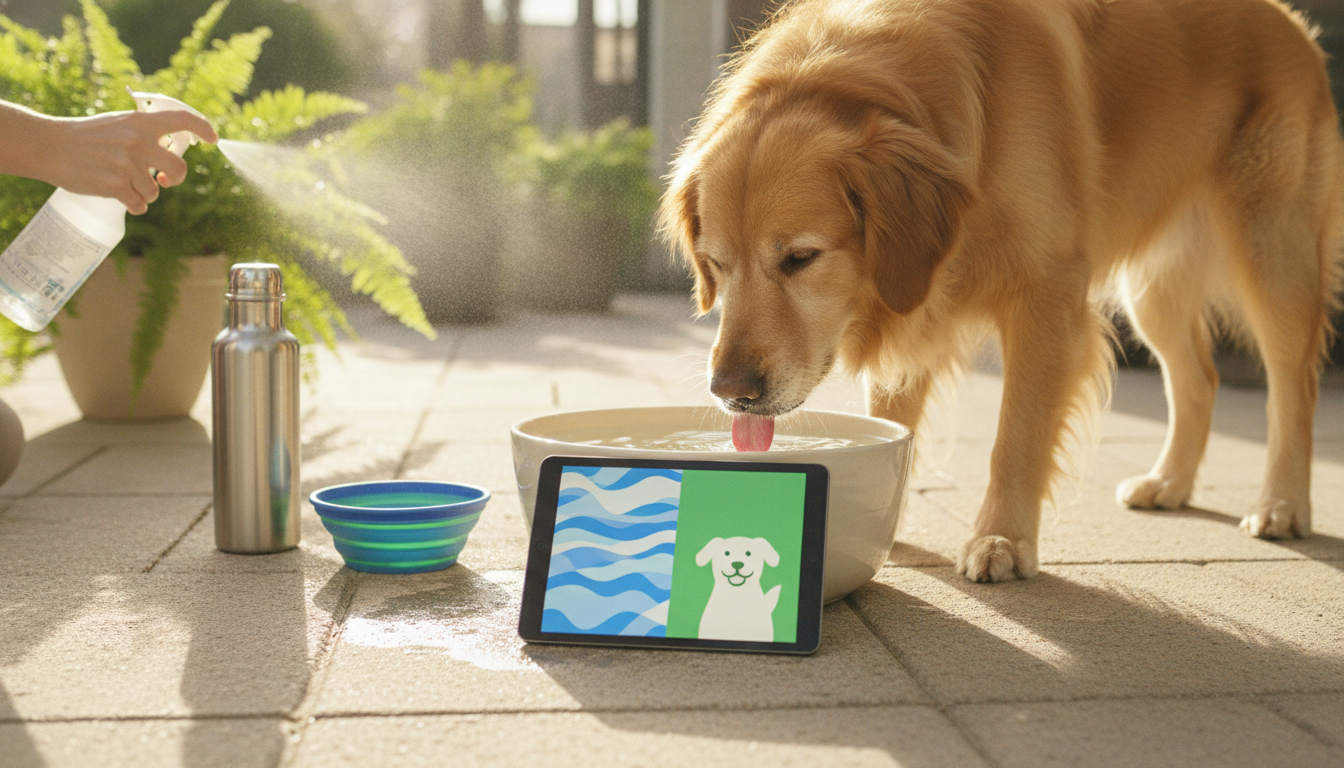
Hydration impacts a dog’s energy, digestion, temperature control, and recovery after illness or exercise. Because water needs shift with size, diet, weather, and activity, “the bowl is full” isn’t always enough to prevent dehydration—especially during heat, travel, or stomach upset. The safest approach is to recognize high-risk moments, catch subtle early changes, and build routines that make drinking easy at home and on the go.
Why hydration matters for dogs
Water supports circulation, kidney function, nutrient transport, and cooling through panting. When a dog becomes dehydrated, the body has to work harder to regulate temperature and maintain normal organ function—so problems can escalate quickly during hot weather, vomiting/diarrhea, fever, or strenuous play.
- Cooling and recovery: Dogs primarily cool themselves by panting, which increases fluid loss and raises water needs.
- Kidney and GI support: Adequate water helps the kidneys filter waste and supports smoother digestion and bowel regularity.
- Higher-risk dogs: Puppies, seniors, and dogs with kidney disease, diabetes, or heart disease typically need closer monitoring.
- Mild dehydration still matters: Even small deficits may reduce appetite, stamina, and stool quality.
For a deeper overview of dehydration signs and prevention, see guidance from American Kennel Club and VCA Animal Hospitals.
Common causes and high-risk situations
- Heat and poor airflow: Hot weather, high humidity, stuffy rooms, or time in cars/enclosed areas can increase fluid loss fast.
- Exercise without breaks: Long walks, running, hiking, or intense fetch sessions can outpace a dog’s willingness to stop and drink.
- Illness: Vomiting, diarrhea, fever, excessive drooling, or reduced appetite can all reduce intake and increase losses.
- Diet factors: Kibble-only diets usually provide less moisture than wet food; salty treats may increase thirst; sudden diet changes can trigger GI upset.
- Behavior and environment: Stress (boarding, moving, new pets), loud areas, or bowls near strong odors/chemicals can suppress drinking.
- Access issues: Frozen outdoor bowls, tipped bowls, dirty water, or competition in multi-pet homes can limit intake.
How much water does a dog typically need?
A practical baseline guideline is about 50–60 mL of water per kilogram of body weight per day, with wide variation depending on diet moisture, temperature, and activity. Dogs eating wet food often drink less from the bowl because they’re getting water through meals.
During heat, nursing, heavy exercise, or mild illness, offer small amounts more often rather than trying to get a dog to gulp a large volume at once. Also watch for changes: drinking far less (or far more) than usual can signal discomfort or disease and deserves a conversation with a veterinarian.
Daily water needs: quick reference (baseline range)
| Dog weight | Approx. daily water (mL) | Approx. daily water (cups) |
|---|---|---|
| 5 kg (11 lb) | 250–300 mL | 1.1–1.3 cups |
| 10 kg (22 lb) | 500–600 mL | 2.1–2.5 cups |
| 20 kg (44 lb) | 1,000–1,200 mL | 4.2–5.1 cups |
| 30 kg (66 lb) | 1,500–1,800 mL | 6.3–7.6 cups |
Early signs of dehydration to watch for
- Behavior shifts: unusual tiredness, restlessness, reduced interest in play, or skipping meals.
- Mouth changes: dry or tacky gums, thick/stringy saliva, or stronger mouth odor than normal.
- Eye and nose clues: sunken-looking eyes can occur; a dry nose alone isn’t reliable, but can matter when paired with other signs.
- Urine changes: less frequent peeing or darker, more concentrated urine; accidents in a normally house-trained dog can also be a clue.
- Skin tenting (supportive sign): gently lift skin over the shoulder blades; slow return can suggest dehydration, but it’s less reliable in seniors or overweight dogs—use it alongside gum and behavior checks.
Urgent red flags: repeated vomiting/diarrhea, collapse, severe lethargy, pale gums, heatstroke symptoms, or inability to keep water down. Heat emergencies can progress quickly; the Merck Veterinary Manual provides additional context on heat-related illness.
Hydration routines that work at home
Hydration on walks, trips, and hot days
When to call the vet and what to do until help is available
A practical hydration checklist for everyday use
Helpful picks (in stock)
- Preventing Dog Dehydration – Essential Hydration Guide for Healthy Dogs | Practical eBook for Dog Owners
- Bluetooth MP3 MP4 Player with 4.0″ Touchscreen
- Mini 8GB Voice Recorder Digital Audio MP3 Player USB Pen with Earphones
FAQ
How can dehydration be checked quickly at home?
Check for tacky/dry gums, lower energy, and reduced or darker urine; skin tenting can support your impression but isn’t perfect on its own. If symptoms persist or any red flags appear (vomiting/diarrhea, collapse, pale gums, heat illness), contact a veterinarian promptly.
Is it safe to give a dog electrolyte drinks?
Many human electrolyte drinks contain sugar or ingredients that aren’t appropriate for dogs, so water is the safest first choice. Use oral rehydration products only if a veterinarian recommends a specific option and dose, especially when vomiting or diarrhea is involved.
Why is my dog drinking less in winter or drinking more in summer?
Seasonal changes are common: cooler temperatures and lower activity can reduce thirst in winter, while heat and panting increase water needs in summer. A sudden or extreme change in drinking—either much less or much more than usual—should be discussed with a veterinarian.






Leave a comment