Derm-Approved Skincare Hacks: Barrier, SPF & Actives Made Easy
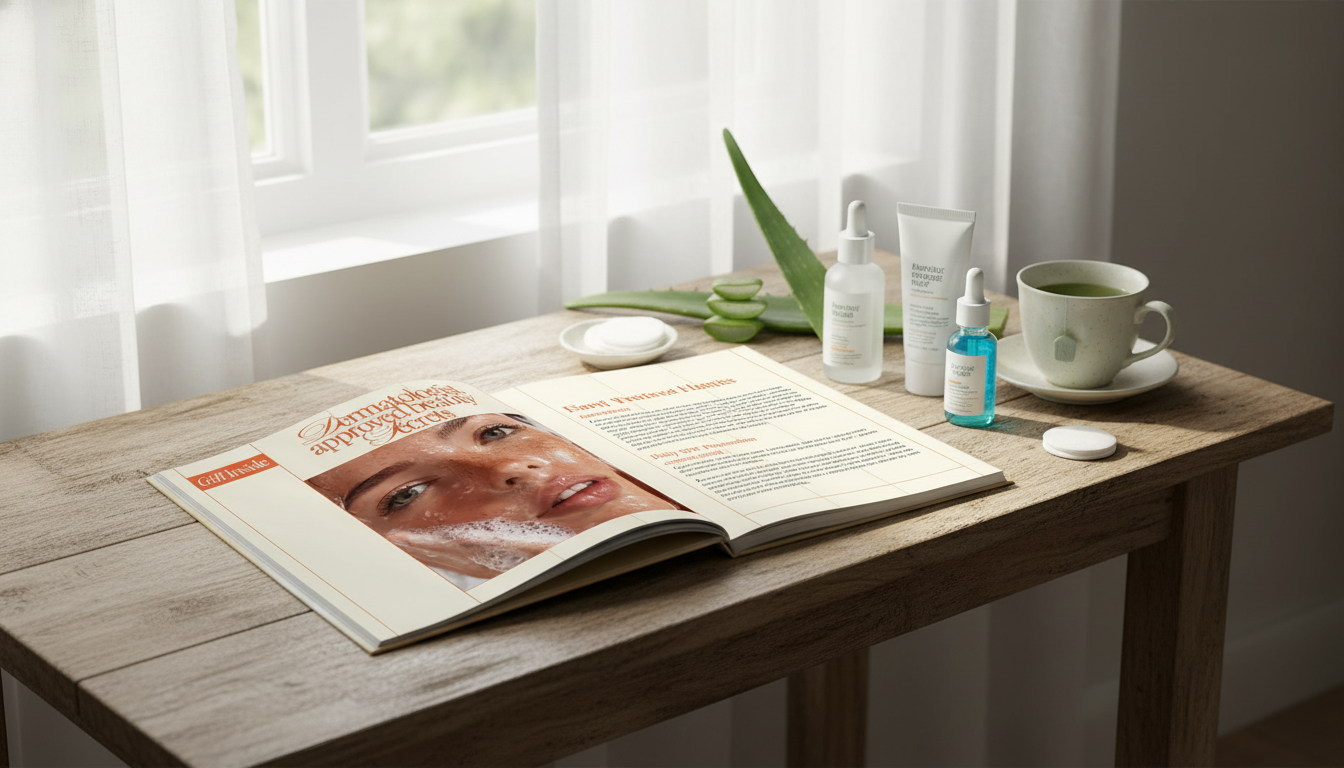
Dermatologist-Approved Beauty Secrets: Smarter Skincare Hacks That Actually Work
Great skin usually comes down to consistent basics done correctly: gentle cleansing, daily sunscreen, smart moisturizing, and targeted actives used with restraint. The most effective “beauty secrets” are rarely flashy—dermatologists tend to recommend practical habits that reduce irritation, protect the skin barrier, and deliver steady results over time. Use the hacks below to simplify routines, avoid common mistakes, and get more benefit from every product step.
Start with the skin barrier: the “calm skin first” rule
If your skin is stinging, peeling, or suddenly breaking out more, the fastest path forward is often doing less, not more. A calm, supported barrier helps everything else work better—especially retinoids, acids, and acne treatments.
- Prioritize barrier health before adding strong actives; irritation and flaking often mean the routine is too aggressive.
- Choose a gentle, fragrance-free cleanser when skin is sensitive, acne-prone, or using retinoids/acids.
- Moisturize daily even if skin is oily; dehydrated skin can overproduce oil and feel rough.
- Avoid stacking too many actives at once; introduce one new active every 2–3 weeks to spot reactions.
- Patch-test new leave-on products on a small area for several days, especially retinoids, acids, and vitamin C.
Quick skin-barrier reset (7 days)
| Time | Step | What to use | What to avoid |
|---|---|---|---|
| AM | Cleanse (optional) | Water rinse or gentle cleanser | Scrubs, cleansing brushes |
| AM | Moisturize | Simple moisturizer (ceramides/glycerin) | Heavy fragrance, many essential oils |
| AM | Protect | Broad-spectrum SPF 30+ daily | Skipping sunscreen “because it’s cloudy” |
| PM | Cleanse | Gentle cleanser | Double exfoliation, harsh foaming cleansers |
| PM | Moisturize | Moisturizer; petrolatum on dry patches if needed | New actives during flare-ups |
Sunscreen hacks that make daily use easier
Daily sunscreen is one of the most reliable ways to protect texture, tone, and collagen over time. The “hack” is choosing formulas and routines that make it feel automatic.
- Use broad-spectrum SPF 30+ every day; UV exposure is cumulative and affects tone, texture, and firmness.
- Apply enough: about two finger-lengths for face/neck is a practical guide; too little drops real protection.
- Reapply when outdoors for extended time, sweating, or after toweling; set a midday reminder when you’ll be outside.
- Tinted mineral formulas can help with visible light–related hyperpigmentation concerns.
- Pair sunscreen with hats and shade; protection works best as a system, not a single product.
For sunscreen specifics straight from dermatology experts, reference the American Academy of Dermatology Association: Sunscreen FAQs.
Cleansing smarter: remove sunscreen and makeup without stripping
Cleansing should remove the day, not your barrier. The goal is comfortable skin after washing—never tight, squeaky, or itchy.
- If wearing heavy sunscreen or makeup, use a gentle first cleanse (oil/balm/micellar) followed by a mild water-based cleanser.
- Keep water lukewarm; hot water can increase dryness and redness.
- Cleanse for about 20 seconds; over-cleansing can worsen tightness and sensitivity.
- Pat dry with a clean towel; rubbing can aggravate inflammation and post-breakout marks.
- If skin feels squeaky-clean, it may be over-stripped; switch to a gentler cleanser or cleanse once daily.
Make actives work harder with better timing and pairing
Actives are powerful tools, but the smartest results usually come from measured frequency and simple pairings. The biggest upgrade is not “more”—it’s tolerability.
- Retinoids: start 2–3 nights per week, then increase as tolerated; use a pea-sized amount for the face.
- Buffering trick: apply moisturizer before retinoid to reduce irritation while maintaining long-term benefit.
- Vitamin C: use in the morning under sunscreen for antioxidant support; keep routines simple to reduce pilling.
- Acids (AHA/BHA): use a few nights per week, not daily by default; overuse can inflame and worsen texture.
- Avoid applying multiple strong actives in one session (e.g., retinoid + AHA + benzoyl peroxide) unless specifically directed.
For technique and tolerability tips, see the American Academy of Dermatology Association: How to use retinoids.
Simple active schedule (beginner-friendly)
| Goal | AM option | PM option | Frequency starter |
|---|---|---|---|
| Brighter tone | Vitamin C + SPF | Moisturizer only | AM daily |
| Smoother texture | SPF | AHA or BHA (single product) | 2 nights/week |
| Acne control | SPF | Adapalene/retinoid or benzoyl peroxide (separate nights) | 2–3 nights/week |
| Anti-aging support | SPF | Retinoid + moisturizer | 2 nights/week then increase |
Targeted “small changes” that dermatologists often recommend
What to stop doing: common “beauty hacks” that backfire
Build a routine that stays consistent (the “minimum effective routine”)
If acne is persistent or inflamed, a clear overview of medical options can help you know when to escalate care; review Mayo Clinic: Acne – Diagnosis and treatment.
A practical guide to smarter skincare habits
Recommended resources (in stock)
- Dermatologist Approved Beauty Secrets Guide | What Beauty Hacks Dermatologists Recommend for Smarter Skincare ($9.99)
- Speak Success: Your Power Words Action Checklist | Powerful Words for Success Daily Mindset Tool | Digital Download ($4.99) — helpful for building a repeatable “minimum routine” habit.
- Break Free: Stop Self-Sabotage Today | How to Stop Self-Sabotage | Digital eBook for Mindset, Motivation & Lasting Personal Growth | Instant Download ($22.99) — useful if consistency is the hardest part of skincare.
FAQ
What is the most dermatologist-approved skincare routine for beginners?
Stick to a gentle cleanser, moisturizer, and broad-spectrum SPF in the morning; at night, cleanse and moisturize. Once skin feels stable for a couple of weeks, add one active (like a retinoid or BHA) only a few nights per week.
How can sunscreen fit under makeup without pilling?
Apply sunscreen over moisturized skin, then wait a few minutes for it to set before makeup. Use thinner layers, avoid stacking multiple silicone-heavy products, and pat makeup on instead of rubbing.
How long does it take to see results from retinoids or acne actives?
Most people need about 6–12 weeks to notice smoother texture and fewer breakouts. Early dryness or purging can happen, and steady use with good moisturizing is what improves tolerance and results.







Leave a comment