Clear Whiteheads: Simple Routine, Best Actives, Tracking
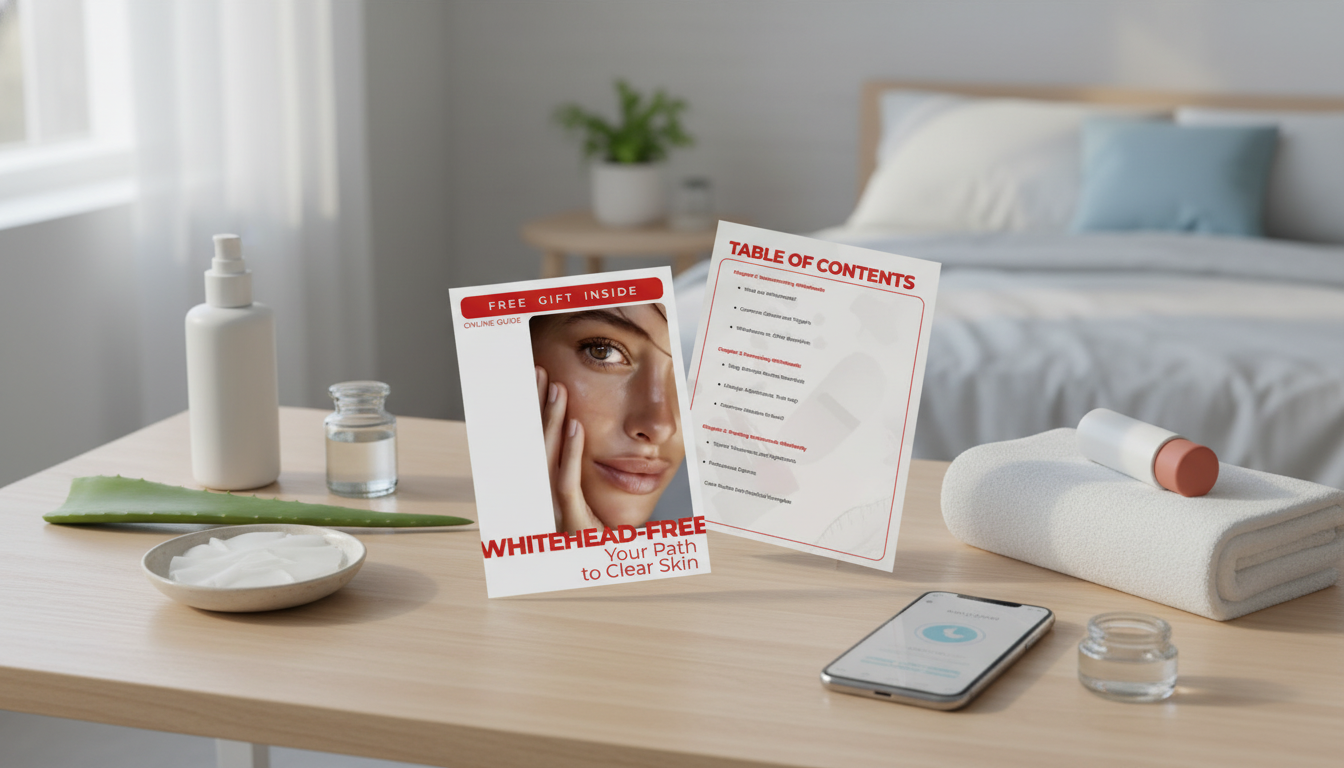
Whitehead-Free: Practical Steps to Clearer Skin With Daily Routines, Treatments, and Smart Tracking
Whiteheads are a common form of acne that develop when pores become clogged with oil, dead skin, and debris. The most effective approach is consistent: gentle cleansing, targeted leave-on actives, barrier support, and sun protection—plus a simple way to track triggers and progress so routines stay realistic and sustainable.
If you’re looking for medical background on acne types and causes, these overviews are helpful: American Academy of Dermatology Association, Mayo Clinic, and NHS.
What Whiteheads Are (and Why They Keep Coming Back)
Whiteheads are closed comedones: a clogged pore covered by a thin layer of skin, creating a small white or skin-colored bump. Because the pore is “closed,” the buildup doesn’t oxidize and darken like a blackhead, and it can linger unless turnover normalizes.
- Common drivers: excess sebum, sticky dead skin buildup, occlusive products, hormonal shifts, and friction (helmets, masks, phone contact).
- Barrier damage makes things worse: over-scrubbing, frequent peel pads, and rapid product switching can inflame skin and increase congestion over time.
- Timeline matters: noticeable improvement often takes 4–8 weeks of a steady routine. “Overnight” fixes frequently trade short-term dryness for rebound irritation.
When whiteheads recur in the same zones (jawline, forehead, around the mouth), it’s often a mix of biology (oil production and hormones) and repeat exposures (product layering, friction, or inconsistent cleansing after sunscreen).
Daily Routine That Targets Whiteheads Without Stripping
A whitehead-focused routine works best when the “base” stays boring and stable. Think: cleanse, moisturize, protect. Then add one main active and give it time.
AM baseline
- Gentle cleanse (or water rinse if very dry)
- Non-comedogenic moisturizer
- Broad-spectrum sunscreen SPF 30+ (daily, even when cloudy)
PM baseline
- Cleanse (double cleanse if you wear heavy sunscreen or makeup)
- Targeted treatment (choose one primary active)
- Moisturizer to support the barrier
Start low and slow: introduce a single active 2–3 nights per week and increase only if your skin stays calm. And avoid picking—pressure can push material deeper, triggering inflammation and longer-lasting marks.
| Skin feel | AM focus | PM focus | Notes |
|---|---|---|---|
| Oily/shine by midday | Light moisturizer + SPF | Leave-on BHA or retinoid | Blotting papers help; avoid harsh astringents |
| Combination | Moisturize dry zones + SPF | Alternate BHA and retinoid nights | Keep routine consistent for 6–8 weeks |
| Dry/tight | Cream moisturizer + SPF | Retinoid less often + barrier cream | Prioritize barrier support; use actives sparingly |
| Sensitive/redness-prone | Minimal steps + mineral SPF | Azelaic acid or very gentle retinoid | Patch test; increase slowly; reduce fragrance |
Treatments That Actually Help Whiteheads (How to Choose and Use Them)
Most whitehead routines succeed or fail based on choosing the right active and using it consistently without overwhelming the skin.
- Salicylic acid (BHA): oil-soluble exfoliant that helps clear inside the pore. Great for persistent congestion, oily T-zones, and bumpy texture. Start every third night, then work up.
- Retinoids (adapalene/retinol): normalize cell turnover and reduce new comedone formation. Use a pea-sized amount, start 2–3 nights/week, and moisturize to limit dryness.
- Benzoyl peroxide: most helpful when whiteheads mix with inflamed pimples. It can bleach fabrics and cause dryness; use a thin layer or targeted spot use.
- Azelaic acid: supports unclogging while helping calm redness and post-acne marks—often a good option for sensitive or pigmentation-prone skin.
- Clay masks (1–2x/week): temporarily reduce surface oil. Follow with moisturizer so skin doesn’t overcompensate with more oil.
- What to avoid: harsh scrubs, frequent peel pads, and stacking multiple strong actives in one night (higher irritation risk).
If you’re torn between BHA and a retinoid, a simple rule: choose BHA when clogged pores and shine dominate; choose a retinoid when texture, recurring bumps, and uneven turnover keep coming back. Sensitive skin often does best starting with azelaic acid and a minimalist routine.
AI Skin Tips: A Practical Way to Track Patterns and Stay Consistent
Whiteheads can improve slowly, so tracking helps you stay objective and avoid unnecessary product-hopping.
- Weekly photos beat daily photos: use consistent lighting and the same angles once a week to spot subtle texture changes.
- Log only a few variables: sleep, stress level, cycle timing (if relevant), any new products, and dietary changes that seem linked.
- Look for trigger clusters: for example, travel + sunscreen change + less sleep often explains a flare better than a single food or product.
- Use a 6-week check-in rule: don’t judge a routine before 6 weeks unless you develop burning, persistent peeling, swelling, or worsening redness.
- AI tools are trend indicators: helpful for consistency and pattern spotting, not medical diagnosis.
Helpful tools to support consistency (optional)
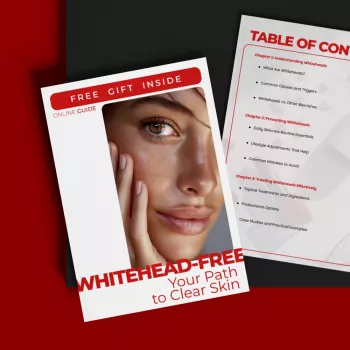
- Whitehead-Free: Your Path to Clear Skin – Practical Skincare for Whiteheads Guide, Daily Routines, Treatments & AI Skin Tips (a structured plan you can follow week to week)
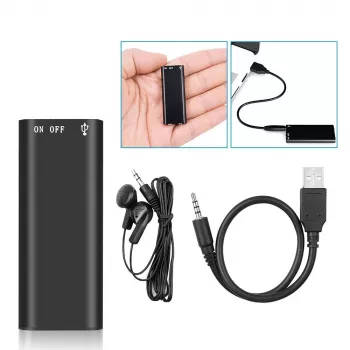
- Mini 8GB Voice Recorder Digital Audio MP3 Player USB Pen with Earphones (quick voice notes for triggers, new products, and irritation days)
- Speak Success: Your Power Words Action Checklist (a simple daily habit tool to support routine follow-through)
When to See a Dermatologist
A Clear-Skin Plan You Can Stick With (Weekly Reset)
FAQ
How long does it take to get rid of whiteheads?
Expect about 4–8 weeks for noticeable improvement with consistent cleansing, one primary leave-on active, and daily sunscreen. Faster changes are often temporary oil reduction or reduced irritation rather than true comedone turnover.
Should whiteheads be extracted or left alone?
It’s safer to avoid self-extraction because it can increase inflammation, lingering marks, and scarring. If extraction is needed, professional help is typically safer while you focus on prevention with a gentle routine and BHA or retinoids.
Can moisturizer make whiteheads worse?
The right non-comedogenic moisturizer supports barrier function and can reduce rebound oiliness. Problems usually come from heavy occlusives, fragranced formulas, or layering too many products at once.





Leave a comment