Anxiety Relief Checklist + 10-Min Meditation (Breathe Easy)
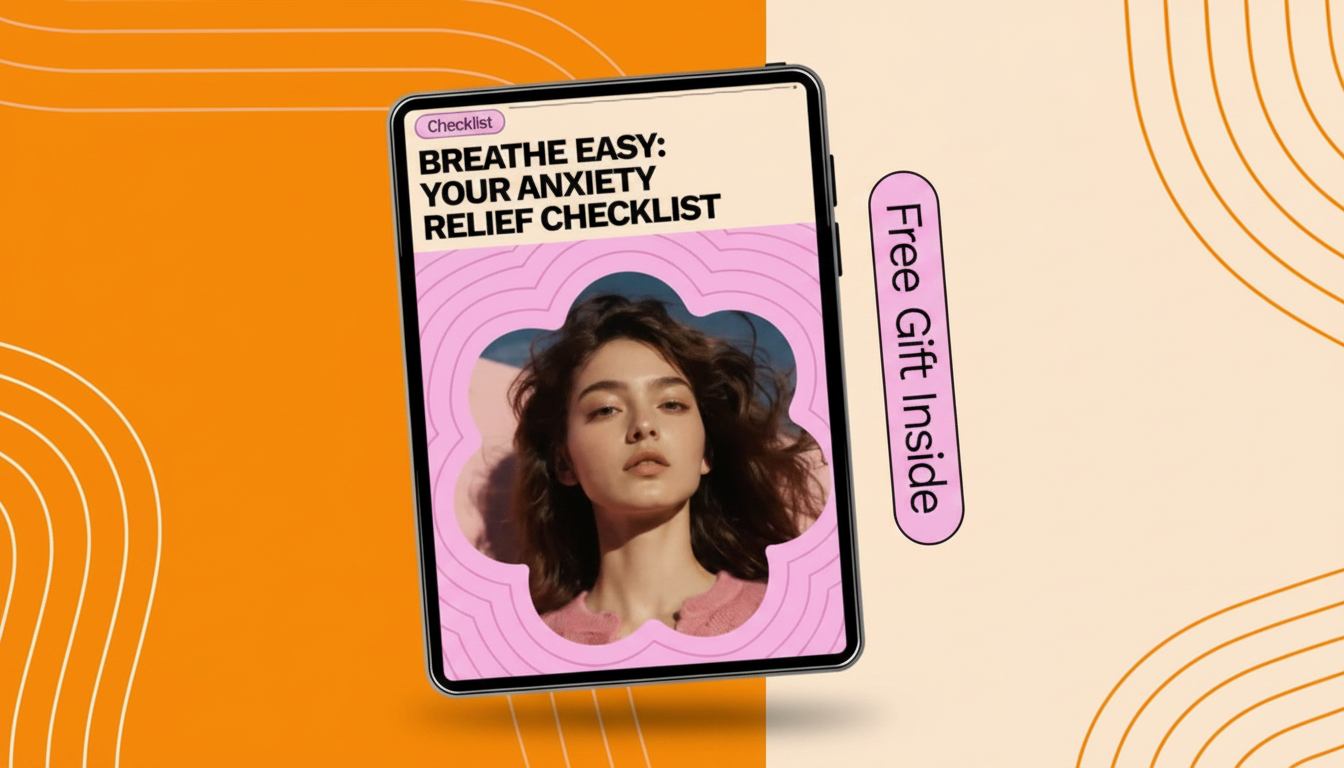
Breathe Easy: Your Anxiety Relief Checklist and a Simple Meditation Routine
Anxiety can feel like it takes over the body first—tight chest, racing thoughts, restless energy—before the mind can catch up. A checklist approach reduces decision fatigue when you’re already overwhelmed, and a short, repeatable meditation routine can build steadier calm over time. The goal isn’t to “fix” you in one perfect moment; it’s to give you a reliable sequence you can run anywhere, then reinforce it with a daily practice that trains your nervous system to settle.
If anxiety is frequent or intense, it can help to learn what’s happening physiologically and psychologically. The National Institute of Mental Health offers a clear overview of anxiety disorders, and the American Psychological Association summarizes how mindfulness practices may support stress and anxiety management.
Start With a 60-Second Body Reset
When anxiety spikes, your fastest win is often physical. This 60-second reset is designed to interrupt the “alarm” loop without forcing anything.
- Name the moment: silently label what’s happening (for example, “anxiety is here”), without arguing with it.
- Lower stimulation: soften your gaze, unclench your jaw, drop your shoulders, and place both feet on the floor.
- Take 3 slow breaths: inhale through your nose, then exhale a little longer than you inhaled. Keep it gentle rather than forced.
- Do a quick safety check: ask, “Am I physically safe right now?” If yes, continue. If no, prioritize safety and support.
Small detail that matters: longer exhales tend to feel more settling than “big” inhales. If you want an easy reference for breath pacing, the NHS breathing exercises guide is a practical starting point.
Your Anxiety Relief Checklist (Use in Any Setting)
This checklist is meant to be used in real life: in a car (parked), at work, on a plane, or in your kitchen at 2 a.m. Work top to bottom, or pick just one step and repeat it until the intensity drops by even 10%.
- Grounding: identify 5 things you can see, 4 you can feel, 3 you can hear, 2 you can smell, 1 you can taste.
- Breath anchor: count 10 exhales; restart at 1 if attention drifts—drifting is expected.
- Muscle release scan: tense and release hands, shoulders, stomach, and legs one at a time.
- Thought defusion: notice anxious thoughts as “mental events” (for example, “Here’s the worry story again”).
- Micro-action: choose one small next step (drink water, step outside, send one message, wash your face).
- Environment reset: reduce caffeine/alcohol triggers, adjust temperature, and move to a quieter space if possible.
- Close the loop: write a one-sentence summary of what helped to make it easier next time.
Quick Checklist: What to Do When Anxiety Spikes
| Step | What to do | Time |
|---|---|---|
| Ground | 5-4-3-2-1 senses exercise | 1–2 min |
| Breathe | 10 slow exhales (longer exhale) | 1–3 min |
| Release | Tense/relax major muscle groups | 2–4 min |
| Defuse | Label thoughts as “worrying” or “planning” | 1–2 min |
| Act | One small supportive action | 1–5 min |
How to Meditate for Anxiety Relief (A Simple 10-Minute Practice)
This routine is intentionally basic so you can repeat it without negotiating with yourself. Think of it like brushing your teeth: not dramatic, just consistent.
If you want a printable, ready-to-follow version of these steps, Breathe Easy: Your Anxiety Relief Checklist – How to Meditate for Anxiety Relief keeps the sequence simple when your brain wants to overcomplicate it.
Micro-Meditations for Busy or High-Anxiety Days
Build a Routine That Sticks: Before, During, After
Tools That Make Practice Easier
- Use a structured checklist: a repeatable sequence lowers mental load during anxious moments and boosts follow-through on calmer days. A digital download like Breathe Easy: Your Anxiety Relief Checklist – How to Meditate for Anxiety Relief can be saved to your phone for quick access.
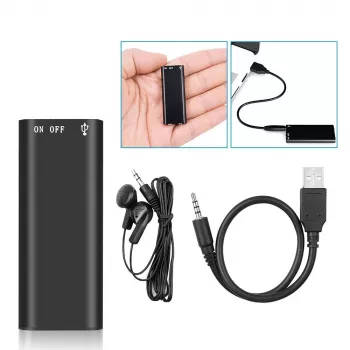
- Capture quick reflections: a short voice note after a session can reveal patterns (time of day, caffeine, sleep, specific triggers). The Mini 8GB Voice Recorder Digital Audio MP3 Player USB Pen with Earphones makes it easy to record a 30-second “what helped” recap.
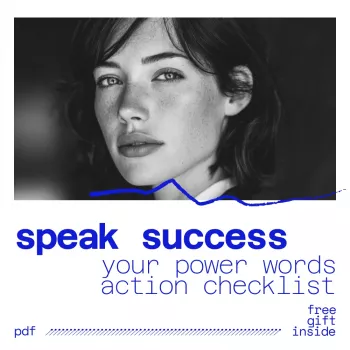
- Support steadier self-talk: language matters when anxiety spirals. A prompt-based tool like Speak Success: Your Power Words Action Checklist can help you practice practical, non-catastrophic phrasing—especially before stressful tasks.
When to Seek Extra Support
FAQ
How long should meditation take to help with anxiety?
Even 5–10 minutes a day can help over the course of weeks, especially when you keep the practice consistent. For immediate calming, 1–3 minutes of grounding and longer exhales may reduce intensity in the moment, but the bigger shift usually comes from repetition.
What if meditation makes anxiety feel worse?
Shorten the session, keep your eyes slightly open, and switch to an external anchor like sounds or a hand-on-heart touch cue. Keep the breath gentle (avoid forcing deep breaths), and use grounding or walking meditation instead; if it continues to feel activating, consider guidance from a qualified professional.
Is breathing meditation safe during a panic attack?
It can be, but it’s often best to focus on orienting and longer, gentle exhales rather than big, deep breathing that feels intense. If symptoms feel medical or unsafe, seek urgent care, and prioritize comfort over pushing through a technique.



Leave a comment