AI Trend Research for Fashion: A 7-Step Designer Workflow
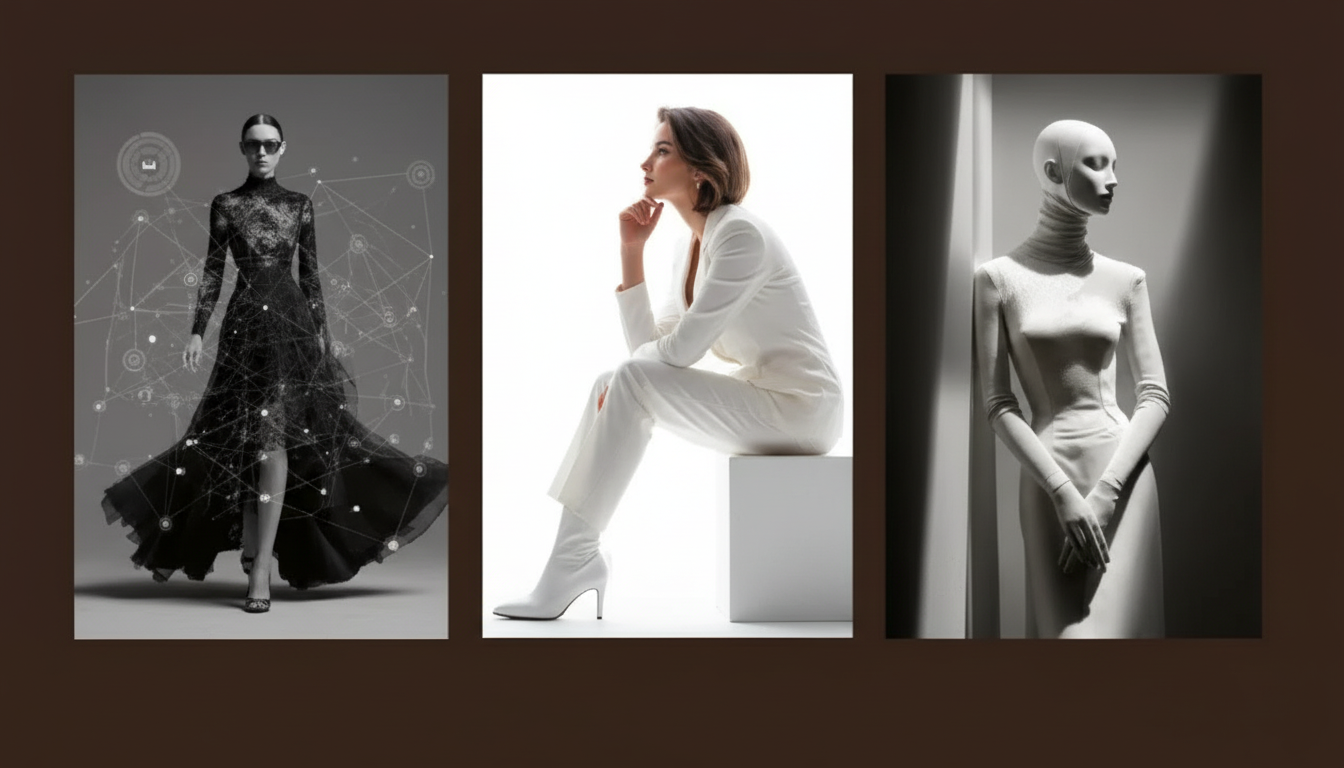
Smart Fashion: AI Tools for Trendsetters — A Practical Ebook for Finding What’s Next
Spotting trends early is no longer just about scrolling and intuition. With a tight AI-assisted workflow, designers, creators, and small brands can scan real signals, validate what’s accelerating, and translate insights into wearable concepts faster—without giving up originality. The goal isn’t to let software “decide” fashion. It’s to reduce the hours spent sorting noise so more energy goes into taste, craft, and brand point of view. For more guidance, see [PDF] Understanding Fashion Designers’ Behavior Using Generative AI for ….
What “AI-assisted trend finding” looks like in real life
In practice, trend discovery works best as a pipeline: collect signals, cluster themes, validate momentum, then design. AI helps most with speed, pattern recognition, and summarizing large volumes of visual and text data. Humans still lead on cultural context, ethics, and whether a direction actually fits the customer and the brand.
A common misconception is that AI perfectly predicts fashion. It doesn’t. What it can do is surface probability: repeated motifs, rising search language, and emerging outfit “formulas” that indicate a shift worth exploring.
The signal map: where to pull trend data before using AI
Before any clustering or summarizing, start with the right inputs. Strong inputs make AI outputs more reliable and more usable for design decisions.
| Signal source | What to capture | AI-friendly output |
|---|---|---|
| Google Trends / search interest | Rising queries, seasonality, geography | Short list of queries + notes on growth |
| Pinterest / visual discovery | Repeated motifs, palettes, materials | Moodboard labels + color/fabric tags |
| TikTok / short-form video | Sounds, caption phrases, outfit formulas | Theme clusters + example outfit “recipes” |
| Marketplaces / product pages | Fast movers, review language, return reasons | Feature requests + fit/material pain points |
| Runway/editorial recaps | Silhouettes, fabrics, styling patterns | Theme summary + references by season |
For a quick, reliable research stack, combine a search layer (for intent) with a visual layer (for styling and details) and a commerce layer (for what people actually buy and complain about). Sources like Google Trends, Pinterest Predicts, and broader market reporting like McKinsey’s State of Fashion help ground your read in measurable movement and industry context.
AI tool categories that matter for designers and creators
- Trend scanning and listening: Aggregators that track social, search, and commerce signals so you’re not bouncing between tabs.
- Computer vision for fashion: Auto-tagging garments by category, color family, print type, and silhouette—especially useful when you have dozens of screenshots.
- Text mining: Summarizing reviews/comments and extracting recurring phrases (for example: “itchy,” “runs short,” “waistband rolls”).
- Generative ideation: Exploring variations and styling directions to expand options—best used for divergent thinking, not final designs by default.
- Workflow glue: Spreadsheets, databases, note apps, and dashboards that keep the evidence and decisions connected.
A 7-step workflow to go from “noise” to a usable trend direction
Step 1 — Define a boundary
Set the constraints first: audience, price tier, season/time horizon, and brand codes (fit philosophy, preferred materials, signature details). This prevents “trend tourism” and keeps research pointed.
Step 2 — Collect 50–150 signals
Gather images, links, query snapshots, product pages, comments, and runway/editorial recaps. Aim for variety: you want repeated patterns across different ecosystems, not one platform echoing itself.
Step 3 — Normalize and tag
Use a consistent tag set: silhouette, neckline, hem, color family, fabric, trim/hardware, styling detail, and a few “vibe” keywords. Consistency here is what makes clustering meaningful later.
Step 4 — Cluster with AI
Group signals into themes (micro-aesthetics) and name each cluster clearly, like you would name a capsule: memorable, specific, and not overly abstract.
Step 5 — Validate momentum
Check growth—not just “everyone’s posting it.” Look for rising queries, recent save/share velocity, and early commerce signals like multiple-store sell-outs. Compare against seasonality so you don’t misread a predictable annual spike.
Step 6 — Translate into design rules
Write 3–5 must-haves (fit, fabric, construction, key details) plus 2 twists that make it yours. The “twists” are where brand identity shows up: an unexpected seam, a modular feature, a styling rule, or a fabric swap that changes the feel.
Step 7 — Prototype and test
Prototype via sketches, small drops, pre-orders, or content pilots. Treat engagement, add-to-carts, and comments as feedback—then refine the brief for round two.
Turning trend insights into content, capsules, and sellable pieces
For a practical, step-by-step system that’s easy to reuse each season, Smart Fashion: AI Tools for Trendsetters (ebook) puts the workflow into a repeatable format—helpful for planning capsules, content calendars, and product direction without guesswork.
Avoiding look-alike design and keeping originality
Shop the guide + a trend-ready pick
- Smart Fashion: AI Tools for Trendsetters | Ebook Guide on How to Find Trending Styles with AI Tools for Designers & Creators (15.99 USD)
- Stylish Boys’ Corduroy Hooded Pullover with Pocket (7.82 USD)
FAQ
What’s the fastest way to confirm a trend is rising (not just everywhere already)?
Combine “rising” search queries with recent save/share velocity on visual platforms, then look for early commerce signals like repeated sell-outs across multiple stores. Cross-check seasonality so you don’t mistake an annual spike for a new shift.
Can AI tools replace a designer’s taste and point of view?
No—AI can surface patterns and compress research time, but taste, cultural context, and brand perspective are human-led. The strongest results come from using AI to inform decisions while the designer controls the final edit.
How can trend research avoid copying what’s already on the market?
Translate trends into clear design rules, then add a brand-specific twist through construction, material, function, or styling. Keep a record of references and the changes you made so the result is clearly transformational rather than derivative.



Leave a comment