Adjustable Ladder Potty Training Seat: Non-Slip Safety
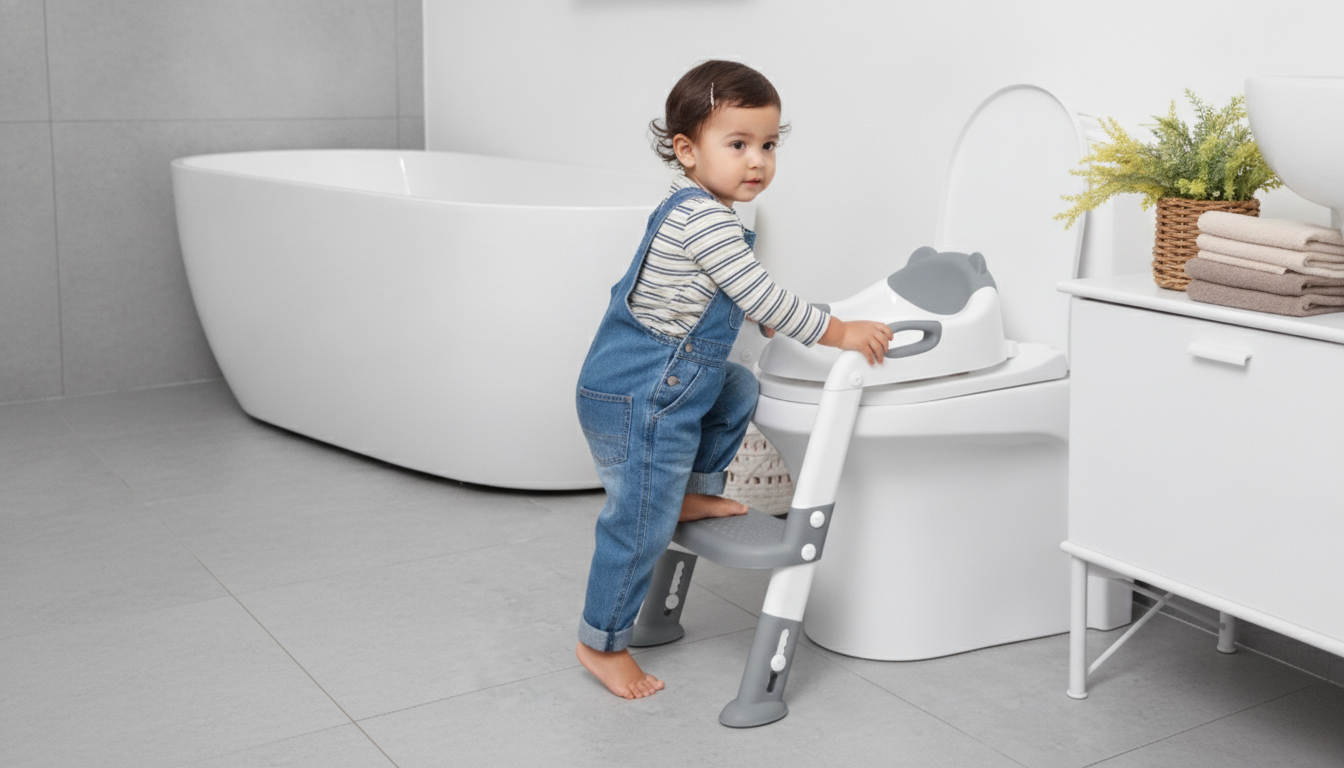
Potty Training Seat with Step Stool Ladder for Toddlers: Adjustable & Non-Slip Guide
A step-ladder potty seat helps toddlers climb up safely, sit securely, and build confidence during toilet learning. The right setup can reduce resistance, prevent slips, and make daily bathroom trips feel more predictable for kids and caregivers. Below are the details that matter most—fit, stability, adjustability, comfort, and easy cleanup—so routines stay calmer from the first attempts through consistent success.
Why a Step-Ladder Potty Seat Helps Toddlers Succeed
- Encourages independence by letting toddlers climb up and down with support, instead of being lifted each time.
- Reduces fear of the “big toilet” by adding a smaller seat opening and steady handholds that feel secure.
- Supports consistent routines across bathrooms without switching between a floor potty and the main toilet.
- Helps bridge hygiene habits like wiping practice, flushing, and transitioning to handwashing right after.
Many families find that fewer “big changes” helps kids cooperate. When the toilet feels reachable and steady, toddlers can focus on listening to their body instead of worrying about balancing.
Key Features to Prioritize for Safety and Comfort
- Non-slip base and step treads: Helps prevent shifting on tile, laminate, or sealed wood floors where sliding is most likely.
- Stable ladder design: Balanced contact points keep weight centered while climbing and sitting.
- Adjustable height or step position: Feet should rest on a step while seated—this improves posture and reduces the “dangling legs” feeling.
- Smooth edges and supportive handles: Comfortable grip points improve confidence and encourage safe climbing habits.
- Splash guard or raised front: Especially helpful for boys to reduce mess and cleanup time.
- Ergonomic seat shape (optional cushioning): Prevents pressure points during longer sits, such as before bedtime.
For health and readiness guidance, established pediatric resources like HealthyChildren.org from the American Academy of Pediatrics and the Mayo Clinic outline common signs that a child is ready and how to keep expectations realistic.
Fit and Compatibility: Making Sure It Works With Your Toilet
- Confirm whether the seat is designed to fit most standard (round) and elongated toilet shapes.
- If your toilet is unusually compact or oversized, measure bowl length and note rim shape to reduce returns and frustration.
- Make sure the ladder reaches the floor securely when the seat is placed on the toilet—no hovering, gaps, or uneven footing.
- Look for adjustability that accommodates different toilet heights and a growing toddler’s leg length.
- If it will be used in multiple bathrooms, prioritize quick placement and removal so the experience stays consistent.
A good fit isn’t only about the seat on the rim. The ladder angle matters too—if the steps feel too steep or too far away, kids may lean or twist while climbing.
Feature Snapshot: What to Look For at a Glance
Use the checklist below to compare options quickly before buying or setting up. Prioritize stability first, then fit, then comfort and convenience.
| Category | What to Check | Why It Matters |
|---|---|---|
| Stability | Non-slip feet, non-slip steps, firm seat contact on the toilet | Prevents wobbling and builds confidence during climbing |
| Adjustability | Adjustable step/ladder height or positioning | Keeps posture comfortable as the child grows |
| Comfort | Ergonomic seat shape, smooth edges, optional cushioning | Helps toddlers stay relaxed long enough to succeed |
| Clean-up | Wipeable surfaces, fewer crevices, splash guard | Makes daily maintenance faster and more sanitary |
| Ease of Use | Simple assembly, lightweight but sturdy, easy to move | Supports consistent routines and reduces caregiver effort |
Setup Tips for a More Stable, Less Messy Routine
- Place the ladder seat on the toilet and press down to ensure full contact before letting a child climb.
- Test for wobble by gently shifting side-to-side; re-seat and adjust the ladder position if needed.
- Use adjustable settings so the child’s feet can rest on the step while seated (better balance and comfort).
- Keep a small stool near the sink so handwashing becomes part of the same routine from day one.
- Store wipes, a toilet-safe cleaning spray, and spare underwear nearby to reduce interruptions mid-routine.
- Choose a consistent cue (after meals, before bath, or before bed) rather than asking repeatedly throughout the day.
If a toddler starts climbing before you’re ready, set a clear rule: the ladder is only for “potty time,” and an adult stays close. Consistency keeps confidence high and reduces unsafe experimenting.
A Practical Pick: Adjustable, Non-Slip Ladder Potty Seat
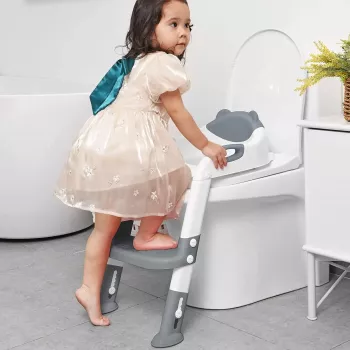
Potty Training Seat with Step Stool Ladder for Toddlers, Adjustable & Non-Slip
Extra Routine Helpers (Optional)
- Mini 8GB Voice Recorder Digital Audio MP3 Player USB Pen with Earphones for quickly logging patterns (successful times of day, triggers, reminders) without stopping to type.
- Speak Success: Your Power Words Action Checklist | Digital Download as a simple cue list for calm, consistent wording during stressful moments.
Care, Cleaning, and When to Replace
FAQ
What age is a step-ladder potty training seat best for?
Many toddlers do well with a step-ladder potty seat from about 18 months to 4 years, depending on readiness and coordination. Look for signs like staying dry for stretches, following simple directions, and showing interest in the toilet, and supervise all climbing.
Will an adjustable ladder potty seat fit both round and elongated toilets?
Many adjustable ladder seats are designed to work with most common round and elongated toilets, but fit varies by model and bathroom setup. Confirm bowl shape and ensure the ladder reaches the floor securely without gaps or wobble once the seat is in place.
How can wobbling be reduced on tile floors?
Make sure non-slip pads and the floor are clean and dry, re-seat the unit so it fully contacts the toilet, and adjust the ladder position/height for firm footing. Avoid placing it on a shifting rug, and stop using it if it remains unstable.




Leave a comment