200 lb Panel Carrier: Adjustable Grip for 0–1 in Boards
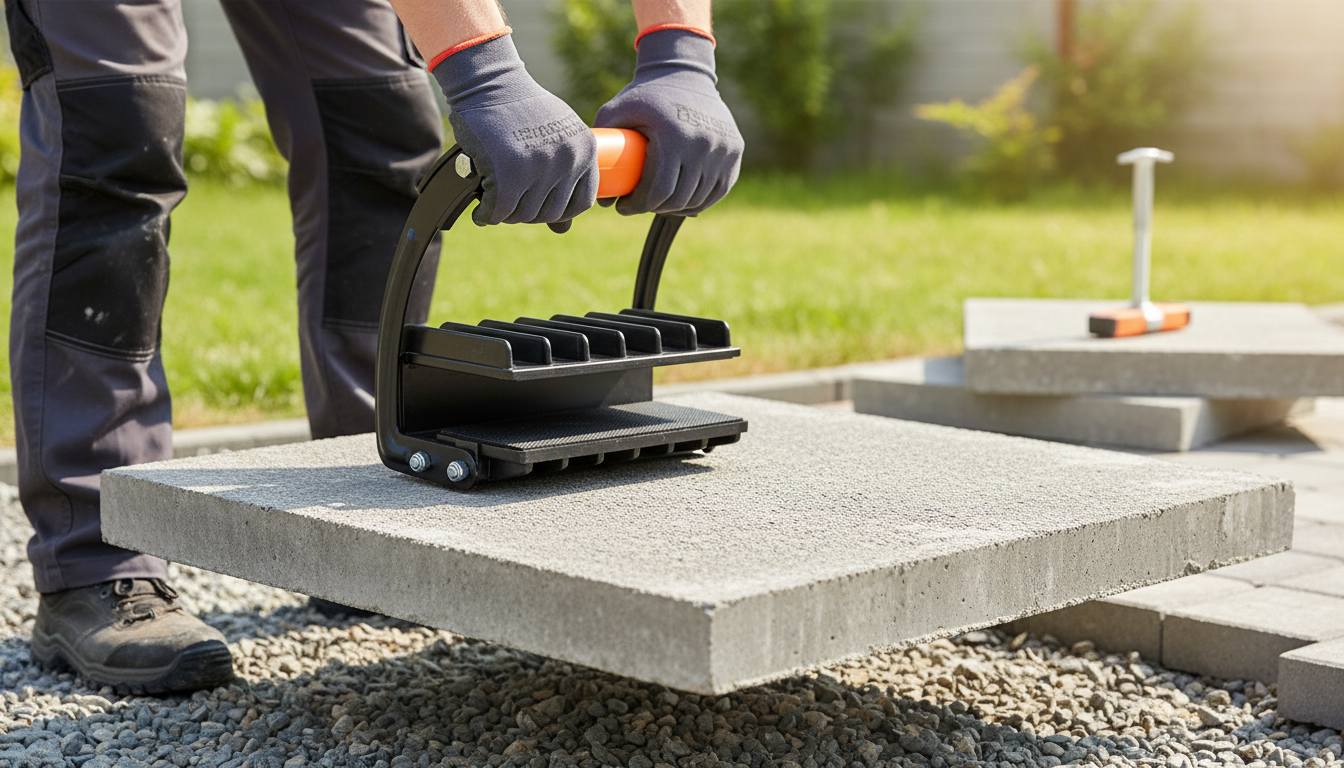
Heavy-Duty Panel Carrier for 0–1 in Boards: Control, Clearance, and Less Hand Strain
Moving plywood, drywall, doors, and other sheet goods gets a lot easier when the load stays balanced and your hands aren’t pinched under a sharp edge. A compact panel carrier with an adjustable grip helps stabilize boards up to 1 inch thick while keeping fingers farther from splinters and abrasive corners—especially in narrow hallways, up stairs, or during the trip from truck to shop. If you often handle sheet materials solo, this style of carrier can turn an awkward “bear hug” carry into a more controlled, ergonomic lift.
What This Panel Carrier Does (and When It Helps Most)
A panel carrier clamps onto the edge of a sheet so the material hangs in a more manageable position. Instead of fighting the full width of a panel with your forearms and fingertips, the carrier lets your arm hang more naturally while the sheet stays closer to your body.
- Supports lifting and carrying sheet materials by clamping onto an edge for steadier handling.
- Useful for solo handling of plywood, MDF, OSB, drywall, doors, and laminated panels where a full-size dolly is awkward.
- Helps keep hands away from splinters, sharp corners, and abrasive edges.
- Common scenarios: loading/unloading vehicles, carrying through doorways, moving panels onto sawhorses, and positioning for cutting or fastening.
Key Specs and Fit for Materials
This type of carrier is built for jobsite realities: heavy sheets, fast transitions, and quick setup. The key is matching the tool’s grip range to what you carry most often.
- Load rating: up to 200 lbs for appropriate panels and safe handling conditions.
- Adjustable grip range: designed for 0–1 inch board thickness.
- Works best when the panel edge is reasonably straight and free of crumbling material that could reduce clamping reliability.
- Ideal for typical sheet-goods thicknesses (e.g., 1/4 in, 1/2 in, 3/4 in) and many solid-core doors within the thickness range.
Quick Compatibility Guide (Typical Use Cases)
| Material | Typical Thickness | Carrier Fit (0–1 in) | Handling Notes |
|---|---|---|---|
| Plywood / OSB | 1/4–3/4 in | Yes | Clamp on a clean edge; watch for delamination on damaged sheets. |
| MDF / Particleboard | 1/2–3/4 in | Yes | Heavier per sheet; confirm weight before lifting solo. |
| Drywall | 1/2–5/8 in | Yes | Edges can crumble; clamp gently and avoid sudden swings. |
| Doors (many types) | Up to ~1 in | Often | Confirm thickness and weight; keep the door vertical when moving. |
| Thicker slabs / countertops | > 1 in | No | Use alternate clamps, suction lifters, or team lift. |
Adjustable Grip: Why It Matters
Panels aren’t all the same thickness, and the “almost fits” moment is where slips and strained wrists happen. An adjustable grip lets the clamp engage the material correctly without improvised shims or guesswork.
- Enables a secure hold across different board thicknesses without improvised spacers.
- Helps reduce wobble by keeping the clamping point consistent as panels vary from thin to thick.
- Improves comfort by letting the panel hang at a steadier angle, reducing wrist torque.
- Useful when alternating between materials (e.g., 1/2 in drywall and 3/4 in plywood) on the same job.
How to Use It Safely and Smoothly
Like any lifting aid, a panel carrier works best when you treat it as part of a complete handling routine—clean edge, correct adjustment, and a deliberate path.
- Check the edge: remove loose debris, crumbling gypsum, or protruding fasteners before clamping.
- Set the grip to match thickness: adjust so the clamp engages firmly without crushing soft edges.
- Test lift a few inches first: verify the panel is captured and balanced before walking.
- Carry with a clear path: keep the bottom edge slightly ahead, move slowly, and avoid twisting while stepping.
- Stairs and thresholds: pause, re-balance, and use handrails only if stability is maintained; otherwise get assistance.
- Set-down technique: lower the panel until it bears weight on the floor/sawhorse, then release the clamp—avoid dropping the panel while unclamping.
For broader lifting and ergonomics guidance, consult the CDC/NIOSH lifting resources at NIOSH and OSHA’s ergonomics information at OSHA.
Comfort and Strain Reduction
Sheet goods can punish hands and shoulders because the load is wide, hard to grip, and easy to tilt. A carrier can shift the work away from fingertips and reduce awkward postures.
Who It’s For
Care, Storage, and Longevity Tips
Product Snapshot
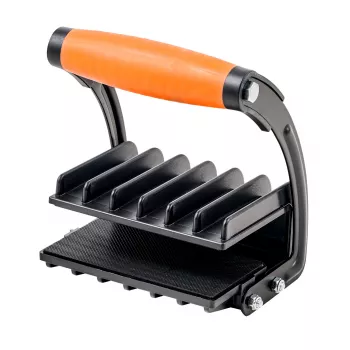
- Heavy-Duty 200 lbs Panel Carrier with Adjustable Grip for 0–1 in Boards — built for many common sheet materials up to the rated load, with a grip range designed for 0 to 1 inch thickness.
More In-Stock Picks to Round Out the Jobsite Kit
- Mini 8GB Voice Recorder Digital Audio MP3 Player USB Pen with Earphones — handy for quick measurements, cut lists, and punch-list notes without pulling out a phone.
- Bluetooth MP3 MP4 Player with 4.0″ Touchscreen — a simple way to keep audio off your phone while you work.
- Stylish Boys’ Corduroy Hooded Pullover with Pocket — an extra layer for cooler mornings and garage projects.
FAQ
Will it work on 3/4-inch plywood and 1/2-inch drywall?
Yes. A 0–1 inch adjustable grip range covers both 3/4-inch plywood and 1/2-inch drywall, but drywall edges are fragile, so clamp gently and do a short test-lift before carrying.
Can it really handle 200 lbs safely?
It can handle up to its rated 200-lb capacity when used correctly. Confirm the panel’s weight, clamp onto a solid, intact edge, and use safe lifting practices or get help for large or awkward loads.
Does it damage or dent the panel edge?
Correct adjustment and clean gripping surfaces help reduce marking. Softer materials may show some compression if over-tightened, so apply only the pressure needed for a secure hold.




Leave a comment