Thin & Blend Human-Hair Wigs: Scissors Set Guide
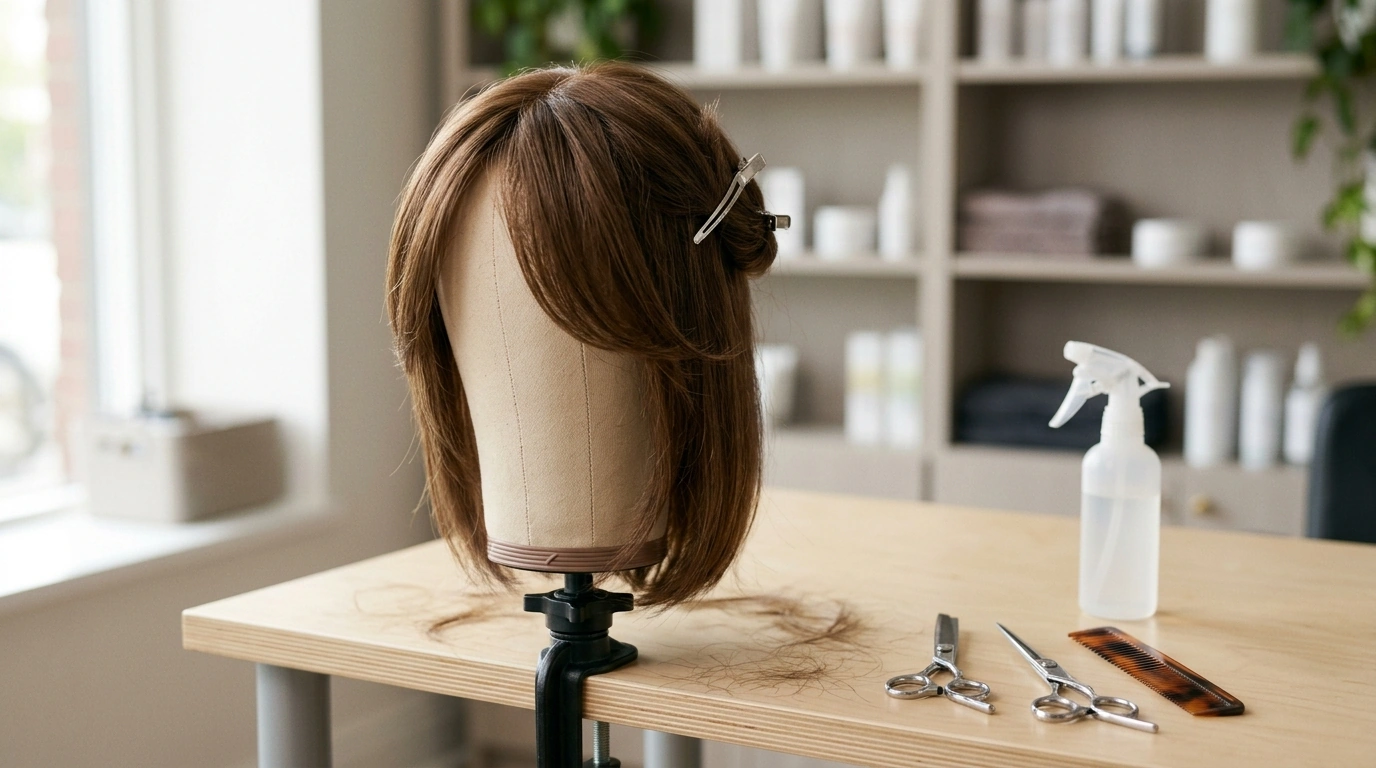
Professional Hair Thinning & Styling Scissors Set for Real Hair Wigs
A real-hair wig can look incredibly natural—until the density, perimeter, or layers feel too “perfect.” A thinning and styling scissors set helps soften bulk, blend tracks and layers, and refine face-framing without sacrificing length. With the right technique, you can make human-hair wigs move more like natural hair while keeping the cut polished (not choppy). Below is a practical guide to what this set does, how to use it safely, and how to keep the blades cutting cleanly over time. For more guidance, see Coping with Hair Loss.
What this scissors set is designed to do for real-hair wigs
A dedicated thinning-and-styling set is made for controlled shaping—especially helpful when a wig feels dense or “blocky” in certain areas. Done gradually, it can: For further reading, see Impact Report 2024.
- Reduce heavy density in stages so the wig swings and settles more naturally.
- Blend harsh lines in layers, bangs, or face-framing pieces for a softer finish.
- Detail the perimeter (ends and edges) without obvious chop marks.
- Support careful at-home touch-ups between appointments for wig wearers, stylists, and cosplay users.
What’s typically included and how each tool is used
Most sets pair two cutting tools that do different jobs. Using the right one at the right moment is what keeps the result realistic instead of over-texturized.
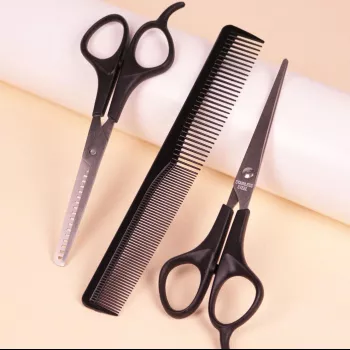
- Thinning shears: One blade is toothed to remove a percentage of hair per close. Best for debulking and blending.
- Straight styling scissors: Used for crisp trimming, shaping bangs, cleaning up ends, and refining layers.
- Comfort and control: Smooth open/close, a balanced feel, and consistent tension help avoid “chewing” hair (snagging or bending strands instead of cutting them).
- Best practice for wigs: Work slowly, use small sections, and check symmetry often on a wig stand.
Quick role guide for wig cutting
| Tool | Best for | Avoid when | Tip for natural results |
|---|---|---|---|
| Thinning shears | Debulking, blending layers, softening ends | Creating crisp blunt lines | Use 1–2 light passes, then reassess before removing more |
| Straight scissors | Perimeter shaping, bangs, trimming split ends | Over-texturizing dense areas | Point-cut (tiny snips) to blur sharp edges |
Why thinning shears help wigs look more natural
Many human-hair wigs are built with even density for fullness and durability. The tradeoff is a silhouette that can read as “helmet-like,” especially at the sides and lower layers. Thinning shears break up that uniform bulk so the hair looks less manufactured and more like it grew from the scalp.
- Blends transition zones: Around the crown, near the face, and where layers meet, thinning creates smoother handoffs between lengths.
- Creates movement: Reducing weight in targeted pockets helps the hair swing, flip, and settle more naturally.
- Works well on human-hair wigs: Human hair responds like salon hair—when you remove weight evenly and in small increments.
How to thin and style a real-hair wig safely (step-by-step)
Where to thin (and where not to) on a wig
Common mistakes that cause choppy layers or frizz
Care, cleaning, and storage for longer blade life
- Wipe after each session: Remove hair, oils, and residue to reduce drag and keep cuts precise.
- Keep scissors dry: Moisture can lead to corrosion and rough cutting. Store closed to protect edges from nicks.
- Disinfect responsibly: Follow common-sense cleaning and disinfecting guidance, especially when tools are shared between users or used after heavy product application (see the CDC’s overview: Cleaning and Disinfecting).
- Maintain tension: If blades feel loose or snaggy, adjust tension (if available) rather than forcing cuts through hair.
If your skin is sensitive to residues from hair products or disinfectants, keep contact minimal and wash hands after handling tools and styling products; MedlinePlus has a helpful overview of irritation and triggers here: Contact Dermatitis.
Best use cases: who benefits most from a thinning and styling set
Product snapshot and shopping notes
If you want a simple, budget-friendly way to start refining human-hair wigs at home, the Professional Hair Thinning & Styling Scissors Set for Real Hair Wigs is currently in stock at $2.47 USD (price may change). A practical approach is to do a tiny test cut on a hidden underside section first, so you can see how much hair the thinning shears remove per pass.
For longer styling sessions—especially if you’re following along with tutorials or timing steps like detangling, sectioning, and re-checking symmetry—some shoppers like having a separate device handy for audio or video playback. If that’s useful, the Bluetooth MP3 MP4 Player with 4.0″ Touchscreen is also in stock.
FAQ
Can thinning shears ruin a human-hair wig?
They can if you over-thin, cut too close to knots/wefts, or repeat passes in the same spot. Keep thinning to mid-shaft and ends, remove hair gradually, and reassess after each light pass.
How do thinning shears differ from regular scissors for wig styling?
Thinning shears have a toothed blade that removes a percentage of hair for blending and density reduction, while regular straight scissors are for clean shaping and trimming. Choose thinning shears to soften bulk and transitions, and straight scissors to refine the perimeter or bangs.
How often should scissors be cleaned or disinfected when used on wigs?
Wipe them after each use to remove hair and residue, and disinfect when tools are shared or after heavy product buildup. Always let them dry fully before storing to help prevent corrosion and rough cutting.




Leave a comment