Clean Smarter: Room-by-Room Routines + AI Checklists
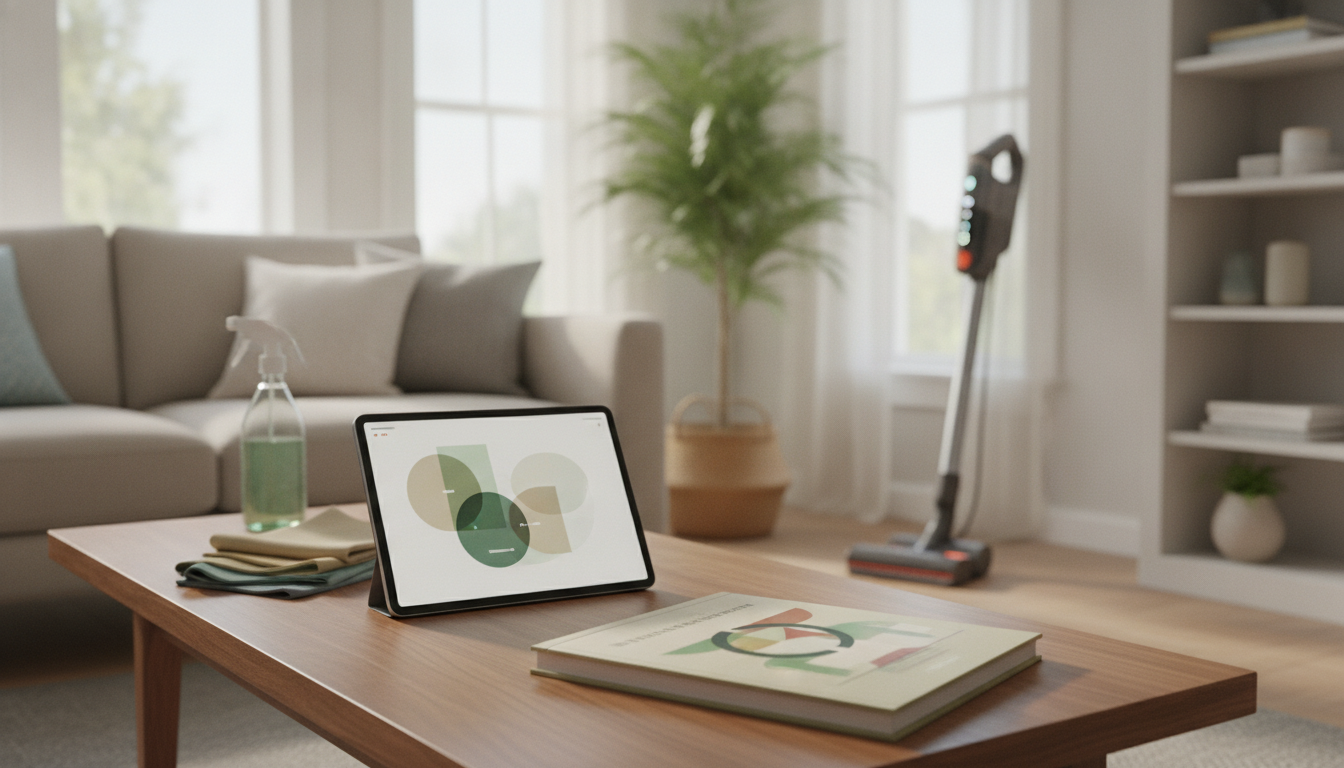
Clean Smarter, Not Harder: Efficient Cleaning with Room-by-Room Strategies and AI-Assisted Checklists
A cleaner home doesn’t require marathon scrub sessions. With the right order of operations, a short list of tools, and repeatable routines, most spaces can stay tidy with small daily resets and targeted weekly deep-clean tasks. A room-by-room approach keeps you focused on high-impact steps, reduces rework, and makes it easier to stay consistent—especially when you use adaptive, AI-assisted checklists that fit the time and energy you have today.
Start with a simple system: reset, clean, then maintain
Efficient cleaning starts with sequence. When you follow the same order every time, you stop “cleaning around” clutter and you avoid re-doing work.
- Reset first: clear clutter, toss trash, and return items to their zones before any spraying or wiping.
- Work top-to-bottom and dry-to-wet: dust high surfaces first, then tackle counters, then floors last.
- Use fewer products: one all-purpose cleaner, one glass cleaner, and one disinfectant (when needed) cover most jobs.
- Batch tasks: do all mirrors at once, all handles at once, then all floors to avoid constant tool switching.
- Set a timer: 10–20 minute “sprints” prevent perfection spirals and keep progress visible.
Tools that reduce effort (and the mess they create)
Choosing the right tools is less about having more and more about having tools that prevent extra passes.
- Microfiber cloths (color-coded): one for bathrooms, one for kitchen, one for dusting to prevent cross-contamination.
- A small caddy: carry essentials room to room so supplies don’t get scattered across the house.
- A scrub brush + old toothbrush: faster than sponges for grout lines, faucet bases, and corners.
- A squeegee: quickly clears shower doors and reduces soap scum buildup between deep cleans.
- Vacuum with attachments: a crevice tool and brush head save time on baseboards, vents, and couch seams.
Quick schedule that keeps rooms under control
| Room/Area | Daily (2–5 min) | Weekly (10–25 min) | Monthly/Seasonal (30–90 min) |
|---|---|---|---|
| Kitchen | Load/unload dishwasher; wipe sink; clear counters | Wipe cabinet fronts; clean stovetop; mop | Clean oven/fridge zones; descale kettle; wipe vents |
| Bathroom | Quick wipe of sink; hang towels; squeegee shower | Scrub toilet, shower, and mirror; change mats | Descale showerhead; wash curtain/liner; deep grout |
| Bedroom | Make bed; laundry into hamper | Dust surfaces; vacuum/mop; change sheets | Flip/rotate mattress; declutter drawers |
| Living room | Reset items to baskets; quick vacuum pass | Dust, wipe remotes/handles; vacuum upholstery | Clean under cushions; wash throws; wipe baseboards |
| Entryway | Shoes to rack; clear mail | Shake mats; wipe door handle; sweep | Sort coats/shoes; clean light switches |
Kitchen: highest impact steps for a fresher, safer space
The kitchen rewards smart sequencing: it’s the fastest room to “look clean” when you start where the mess concentrates.
- Start at the sink: empty, rinse, and wipe it first; a clean sink makes the room feel finished.
- Counter workflow: clear → spray → wait 1–3 minutes → wipe; letting cleaner dwell reduces scrubbing.
- Stovetop strategy: loosen grime with warm soapy water or degreaser, then scrape gently with a plastic scraper.
- Fridge “one-shelf rule”: when short on time, clean one shelf and one drawer per week rather than doing a full teardown.
- Handle hotspots: fridge handle, microwave buttons, and trash can lid are quick wins for hygiene.
Bathroom: prevent buildup instead of fighting it
Bathrooms get easier when you shift from “big scrubs” to small habits that interrupt soap scum and mineral buildup.
Bedrooms and closets: tidy zones that stay tidy
Living spaces: fast resets that make the whole home feel cleaner
AI-assisted checklists that adapt to your home
Safety basics: effective cleaning without risky mixtures
For guidance on cleaning and disinfecting best practices, see the CDC’s cleaning and disinfecting recommendations. To find products with safer ingredients, the EPA Safer Choice program is a useful reference, and the American Lung Association offers practical info on indoor air quality and cleaning chemicals.
A ready-to-use resource for faster routines
For a structured approach with room-by-room steps, time-saving sequences, and reusable AI-assisted checklist templates, use Clean Smarter, Not Harder: The Ultimate Guide to Efficient and Effective Cleaning with Room-by-Room Strategies, Tips, and AI Prompts. Keeping it on a phone or tablet helps each session start with clear steps instead of decision fatigue.
To make your routines easier to stick to, a dedicated device for music and timers can help you stay in “sprint mode,” like the Bluetooth MP3 MP4 Player with 4.0″ Touchscreen. If you prefer quick verbal notes (like “wipe baseboards in hall” or “descale showerhead next week”), the Mini 8GB Voice Recorder Digital Audio MP3 Player USB Pen with Earphones makes it easy to capture reminders without stopping to type.
FAQ
What’s the fastest order to clean a room without backtracking?
Reset clutter first, then work top-to-bottom and dry-to-wet, finishing with floors. Batch similar tasks (all glass, all handles) so you aren’t constantly switching tools.
How often should kitchens and bathrooms be deep cleaned?
Daily resets plus a weekly scrub is enough for many households. Add monthly tasks like descaling, vent wiping, and detailing behind fixtures based on buildup and how heavily the rooms are used.
How can AI help create a cleaning plan that fits limited time?
Share the rooms you want to tackle, the minutes you have, and any constraints (pets, allergies, naps). Then request a prioritized checklist with step order, rough time estimates, and a rotating weekly plan to spread deep-clean tasks out.






Leave a comment