Glow Hydrated: Simple Skin Hydration & Barrier Guide
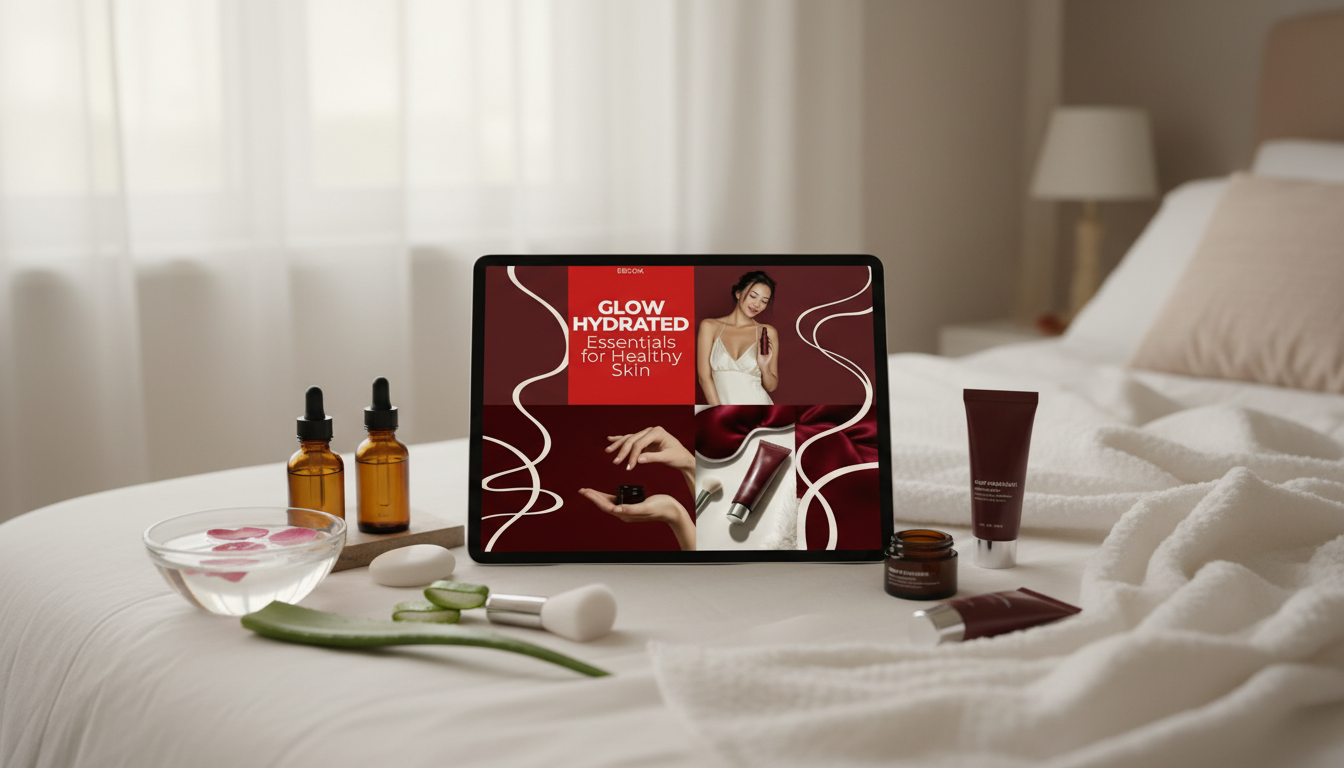
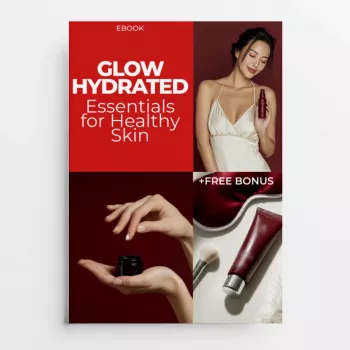
Glow Hydrated: Essentials for Healthy Skin (Digital Hydration Guide)
Hydrated skin tends to look smoother, feel more comfortable, and support a stronger barrier that can handle daily stressors better. Hydration isn’t just a “dry skin” issue—it can affect anyone, including oily and acne-prone skin types. The goal is practical: build a routine that helps keep water in the skin, minimizes tightness and flaking, and supports a healthy-looking glow across seasons. For more guidance, see How To Get Flawless Skin.
What “hydrated skin” really means
Hydration and moisture often get used interchangeably, but they’re not the same. Hydration refers to the skin’s water content, while “moisture” frequently points to oils and occlusive ingredients that reduce water loss. For further reading, see The Skin You Live In.
- Hydration vs. moisture: Humectants add a water-binding, plumping feel; emollients and occlusives help keep that water from evaporating.
- Transepidermal water loss (TEWL): Skin can feel tight even after applying a watery product if nothing seals it in.
- Common signs of dehydration: Dullness, fine lines looking more noticeable, tightness after cleansing, and makeup clinging to dry patches.
- Any skin type can be dehydrated: Oily skin can produce plenty of oil while still lacking water—especially after strong cleansers or overuse of actives.
The skin barrier and why it’s the foundation of hydration
Your skin barrier is the “keeper” of hydration. A classic way to think about it: corneocytes (skin cells) are the bricks, and lipids (ceramides, cholesterol, fatty acids) are the mortar. When the mortar is depleted or disrupted, water escapes more easily and skin becomes reactive.
- Common barrier disruptors: Harsh cleansers, over-exfoliation, very hot water, low humidity, and strong acne actives without supportive layers.
- What barrier support can change: Less redness, reduced sensitivity, and a more even, comfortable texture.
- A simple check: If bland, fragrance-free products sting, pause new actives and focus on barrier repair and gentle cleansing first.
For additional dermatologist-backed basics on dryness care, the American Academy of Dermatology Association offers helpful self-care guidance.
Hydration essentials: the building blocks of a simple routine
A hydration-focused routine doesn’t need a long lineup. It needs the right roles: gentle cleansing, water-binding humectants, smoothing emollients, and a sealing step when your environment (or your skin) demands it.
- Cleanse gently: Choose low-foam or creamy cleansers, keep contact time short, and avoid that “squeaky clean” feeling.
- Humectants to draw water: Glycerin, hyaluronic acid, panthenol, and aloe work best when followed by a moisturizer.
- Emollients to smooth: Squalane, triglycerides, and fatty alcohols help reduce roughness and improve softness.
- Occlusives to seal: Petrolatum, dimethicone, and waxes reduce TEWL—especially helpful at night or in dry climates.
Layering tip: watery product → humectant serum → moisturizer → spot-occlusive on very dry areas.
Hyaluronic acid can be a useful tool, but it performs best with a sealing layer on top—Cleveland Clinic’s overview covers practical context on how it’s commonly used in skincare: Hyaluronic acid—uses and benefits.
A practical routine map by skin type and season
Hydration “wins” usually come from matching texture and layering to your skin type and climate—then staying consistent long enough to see your barrier settle.
- Dry skin: Prioritize richer moisturizers and targeted occlusives; keep exfoliation minimal and gentle.
- Oily or acne-prone skin: Choose lightweight humectants and gel-creams; skipping moisturizer can backfire and worsen tightness.
- Sensitive skin: Simplify, go fragrance-free, introduce one new product at a time, and limit frequent exfoliation.
- Season shifts: In winter, increase occlusives and barrier lipids; in humid months, keep layers lighter but consistent.
Hydration routine suggestions (adjust to tolerance and climate)
| Skin type / condition | AM focus | PM focus | Helpful ingredients |
|---|---|---|---|
| Dry, flaky, tight | Gentle cleanse + hydrating toner/serum + richer moisturizer + sunscreen | Hydrating serum + ceramide moisturizer + thin occlusive on dry zones | Glycerin, ceramides, squalane, petrolatum (spot) |
| Oily but feels dehydrated | Light cleanse + humectant serum + gel-cream + sunscreen | Barrier-support moisturizer; avoid over-exfoliating | Glycerin, panthenol, niacinamide (tolerated), dimethicone |
| Sensitive/reactive | Minimal steps; fragrance-free hydration + moisturizer + sunscreen | Barrier-repair moisturizer; patch-test new products | Ceramides, cholesterol/fatty acids blends, colloidal oatmeal |
| Combination, seasonal dryness | Hydrate all over; moisturize more on dry areas; sunscreen | Targeted occlusive on cheeks or around mouth as needed | Hyaluronic acid, glycerin, squalane, ceramides |
Ingredient guide: what to look for (and what to be cautious with)
For a deeper explanation of why barrier integrity matters (especially when skin is reactive), the National Eczema Association’s skin barrier basics offers a clear overview.
Lifestyle factors that support skin hydration
What’s included in “Glow Hydrated: Essentials for Healthy Skin”
If you want a streamlined, save-and-reuse reference, see Glow Hydrated: Essentials for Healthy Skin (digital download).
Extras that make routines easier to stick with
- Mini 8GB Voice Recorder Digital Audio MP3 Player USB Pen with Earphones for quick routine notes and check-ins
- Bluetooth MP3 MP4 Player with 4.0″ Touchscreen for guided relaxation or wind-down audio that supports better sleep habits
Who this guide is best for
How to use the guide for quick wins in 7–14 days
FAQ
Can oily skin still be dehydrated?
Yes—oil and water are different, so skin can look shiny but still feel tight or rough. Over-cleansing and strong acne actives can increase dehydration, so a lightweight humectant plus a non-greasy moisturizer often helps support the barrier.
Should hyaluronic acid be applied on damp skin?
Slightly damp skin can improve slip and make hydration feel more immediate. Follow with moisturizer to help reduce water loss, and consider a richer top layer if the air is very dry.
How long does it take to see results from a hydration-focused routine?
Comfort improvements (less tightness, less stinging) can show up within a few days, especially after simplifying and reducing irritants. Barrier resilience and texture changes typically take about 2–4 weeks with consistent use.




Leave a comment