Human Names for Pets: Why It’s Trending Now
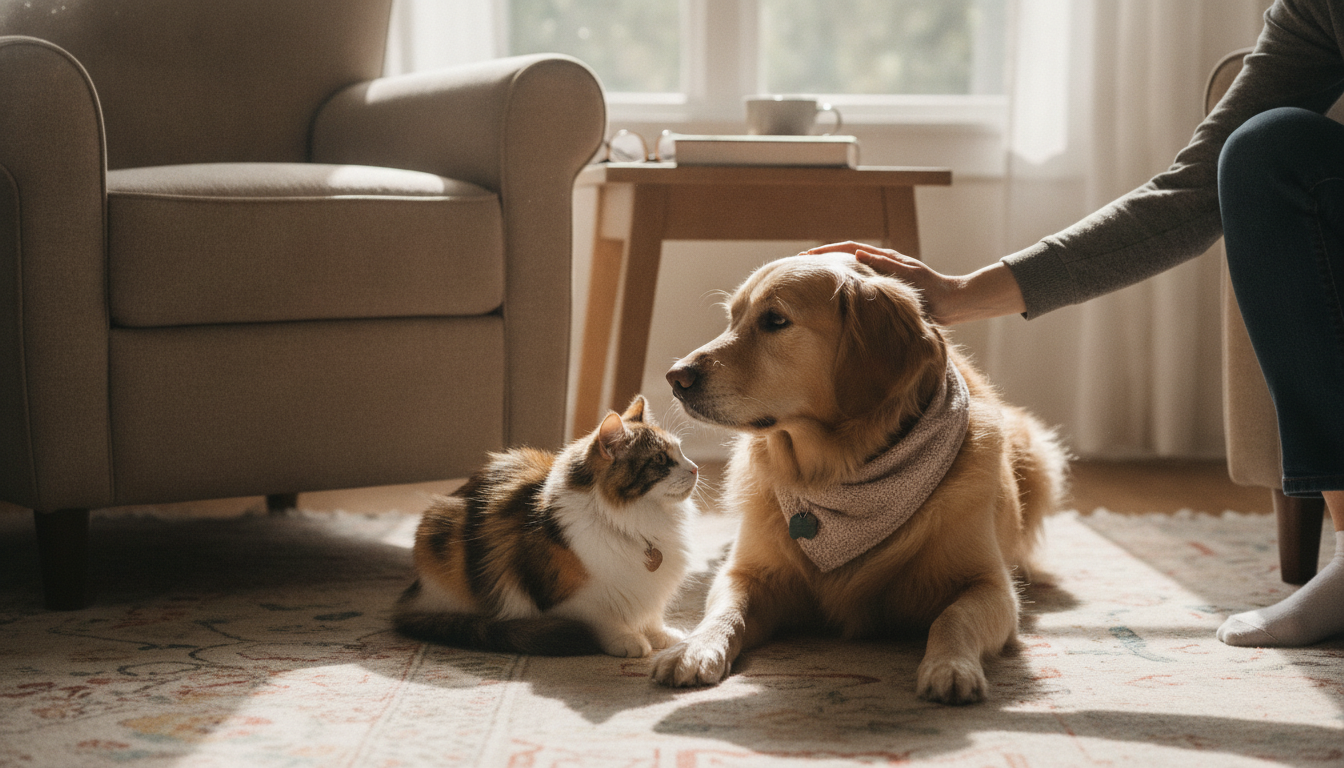
Why Pets Are Getting People Names: What the Trend Says About Life, Culture, and Companionship
More pets than ever are being called names that once felt strictly “human”—think Olivia, Henry, Maya, or Theo. The shift is playful on the surface, but it also reflects changing family structures, social media habits, and the role animals play in everyday emotional life. Below is a structured look at why the trend is happening, how it differs by species and generation, and how to choose a human-style name that genuinely fits a pet.
From “Buddy” to “Charlotte”: What’s New About Today’s Pet Names
Human-style names have moved from an occasional novelty to a mainstream default in many households. Walk through a dog park and it’s no longer surprising to hear “Nora!” or “Elliot!” called out with the same casual ease as “Buddy.” The change is visible across dogs, cats, and even small pets, and it often mirrors baby-name patterns—names rise, peak, and then become “familiar” enough to feel natural everywhere.
Part of the appeal is that human names feel less like a “pet category” and more like an individual identity. Instead of naming to match a breed stereotype (Tank for a bully mix, Princess for a tiny white dog), many owners name to match personality: a serious little “Walter,” a graceful “Maya,” or a mischievous “Theo.”
In day-to-day life, short conversational names tend to win. Two syllables, easy vowels, and a clear ending sound make a name simple to say repeatedly—at home, at the vet, and across a noisy room.
Why Human Names Feel Right Now
Pets are increasingly treated as family members, and naming follows that emotional logic. When an animal is part of the household’s inner circle—sleeping in the bedroom, traveling on vacations, showing up in holiday photos—pulling from the same name pool used for relatives can feel natural and affectionate.
Urban living and smaller households can also intensify the role of pets. In a one-bedroom apartment, a dog or cat may be the primary daily companion, shifting the relationship from “pet ownership” toward companionship with routines, inside jokes, and a shared social life.
Social media reinforces the trend. A human name makes captions read like a mini-sitcom: “Theo refused to walk in the rain” lands differently than “Sir Barks-a-Lot refused to walk in the rain.” Human names can signal a vibe—classic, trendy, quirky, old-fashioned—while also making a pet feel like a character friends can follow.
Pop Culture, Baby Names, and the Feedback Loop
Baby-name trends spill into pet naming too. When a name begins to feel overused for babies, it can become “safe” and fun for pets—familiar, upbeat, and unlikely to raise eyebrows at daycare. Data-driven lists also guide choices; browsing roundups like Rover’s top dog names or the American Kennel Club’s popular dog names can nudge owners toward what sounds current.
What Human Names Communicate About the Pet (and the Household)
Common Human-Name Styles for Pets and the Impression They Give
| Name style | Examples | Typical vibe | Best fit for |
|---|---|---|---|
| Classic | Emma, Jack, Lucy | Friendly, timeless | Social pets; families; multi-pet homes |
| Vintage | Mabel, Walter, Edith | Cozy, witty, distinctive | Pets with “old soul” demeanor; calm temperaments |
| Modern/trendy | Luna, Milo, Harper | Current, upbeat | High-energy pets; social-media-forward households |
| Formal/full-name | Theodore, Penelope, Sebastian | Humorous, dramatic | Pets with big personalities; comedic effect |
| Short and punchy | Ben, Mia, Zoe | Snappy, easy to call | Training-focused homes; busy routines |
Practical Naming Tips: Make It Cute, Usable, and Clear
Start with clarity. Names with distinct consonants and easy vowels tend to be easier for pets to recognize. Many trainers recommend keeping it short and consistent; the ASPCA’s tips for choosing a pet name emphasize picking something that’s simple to say and won’t be confusing during training.
When a Human Name Backfires (and How to Fix It)
A Deeper Dive: A Fun, Insightful Ebook on the Human Names for Pets Trend
If the cultural “why” behind naming is as interesting as the name itself, Why Pets Are Getting People Names – A Fun, Insightful Ebook on the Human Names for Pets Trend explores the social and emotional forces shaping modern pet names. It’s a light, giftable read for new adopters, pet lovers, and anyone who enjoys everyday trends that reveal something real about modern life.
For households that like documenting the naming journey—first-day impressions, early nicknames, and the moment a name “clicks”—a compact audio tool can be surprisingly handy. The Mini 8GB Voice Recorder Digital Audio MP3 Player USB Pen with Earphones can help capture those early training sessions and recall progress (especially useful when multiple family members are practicing consistency). If you prefer a pocket device for quick playback, the Bluetooth MP3 MP4 Player with 4.0″ Touchscreen is another option for keeping short training cues or routines organized.
FAQ
Are human names better for pets than traditional pet names?
Neither is inherently better. The best name is the one that’s clear, easy to say, and fits your pet’s personality and your household’s routines. Human names can feel more personal, but they should still be practical for training and daily use.
Do pets respond differently to certain types of names?
Pets tend to learn names with distinct sounds and consistent use, often favoring short, clear patterns (frequently two syllables). Response is trained more than innate, so repetition and positive reinforcement matter more than whether the name is “human” or “traditional.”
How can a pet keep a human name without confusing it with people in the family?
Use nicknames, add a middle-name cue for “full attention,” and avoid identical names within the same close circle when possible. Context also helps—pets quickly learn who gets addressed in which situations.







Leave a comment