Minimalist Loose Fit Blazer: Fit, Fabric & Outfits
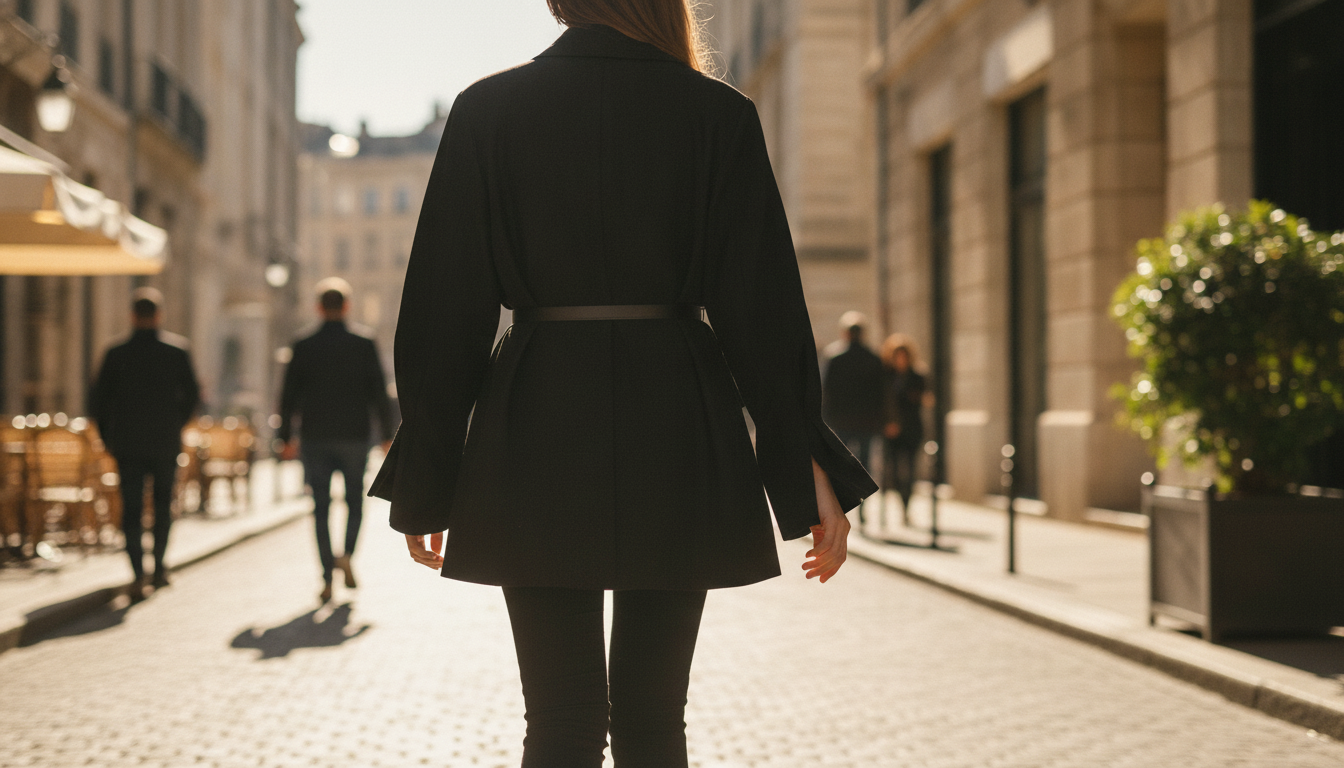
Minimalist Loose Fit Women’s Fashion Blazer
A minimalist loose fit blazer balances clean lines with relaxed structure, making it a dependable layer for workdays, weekends, and travel. The right one looks intentional (not sloppy), feels comfortable (not restrictive), and can be repeated across outfits without getting “stuck” in one style lane. Below are the details that matter most—from fabric drape to shoulder placement—plus easy outfit formulas that keep the look polished.
What Makes a Minimalist Loose Fit Blazer Different
- Clean silhouette: Minimal seams, subtle hardware, and a streamlined front make it easy to style with almost anything.
- Relaxed tailoring: Extra room through the shoulders, chest, and body allows layering without pulling or strain.
- Versatile proportions: A longer hem and straighter lines work with both wide-leg and slim bottoms.
- Polished ease: It reads structured enough for meetings while still comfortable for all-day wear.
Key Details to Check Before Buying
- Fabric hand-feel: Look for drape that hangs cleanly rather than clinging. Overly stiff fabric can read “boxy” instead of relaxed.
- Lining and breathability: Fully lined styles feel more tailored; partial lining can feel lighter for warmer days or travel.
- Closure style: Single-button or open-front options keep a minimalist look. Double-breasted styles typically lean more formal.
- Pocket placement: Functional pockets add practicality, but pocket flaps can create bulk if they sit at the widest part of the hip.
- Shoulder construction: Soft shoulders feel modern and relaxed; light padding creates a sharper outline and a more “boardroom” finish.
If material choices are part of your decision, it helps to understand how different fibers behave in terms of feel, durability, and impact. Resources like Good On You’s materials guide provide a useful overview when comparing options.
Fit Guide: How a Loose Blazer Should Sit
- Shoulders: The seam should land close to the shoulder edge. An intentional drop can work, but too much drop may make arms look shorter.
- Sleeves: Aim for wrist-bone length. A slight stack can look effortless, or roll/cuff the sleeve for a clean, intentional finish.
- Body ease: It should skim the torso with room to button comfortably over a thin knit or tee—no pulling at the buttons.
- Length: Hip to mid-thigh lengths are easiest to style. Longer lengths pair especially well with slimmer bottoms for balance.
- Movement check: Raise arms and reach forward. There should be no tightness across the upper back, and lapels should stay relatively flat.
Outfit Formulas That Always Work
- Office-ready: Loose blazer + fine knit top + tailored trousers + low heel or sleek loafer.
- Smart casual: Blazer worn open over a fitted tank + straight-leg jeans + minimalist sneakers.
- Monochrome set: Matching tones (black/cream/gray) with one contrasting accessory for a sharp, minimalist finish.
- Evening simple: Blazer as a top (if coverage allows) + slip skirt or wide-leg pants + understated jewelry.
- Travel uniform: Blazer + breathable tee + pull-on pants + flat shoes; add a scarf for warmth and texture.
Color and Styling Notes for a Minimal Wardrobe
- Neutral anchors: Black, charcoal, navy, taupe, and cream coordinate with most wardrobes and photograph well.
- Texture over prints: Choose subtle texture (twill, crepe, matte weave) for interest without busy patterns.
- Proportion balance: Pair the relaxed blazer with either a slimmer base layer or a defined waistline to avoid looking shapeless.
- Accessory restraint: One focal point—structured bag, simple belt, or classic watch—keeps the look intentional.
Quick Comparison: Loose Fit vs. Classic Tailored Fit
Both silhouettes can look refined—the difference is how they move with you and what they signal visually. A loose fit blazer prioritizes comfort and layering, while a classic tailored blazer prioritizes definition and a more traditional suiting shape.
| Feature | Loose Fit Blazer | Classic Tailored Blazer |
|---|---|---|
| Shoulders | Softer or slightly dropped; relaxed | More defined; structured |
| Body shape | Straight or gently boxy; roomy | Shaped; closer to the waist |
| Layering | Easy over knits and thicker tops | Best over lightweight layers |
| Overall vibe | Modern, effortless, minimalist | Traditional, formal, refined |
Care and Longevity Tips
If you reference reviews or influencer styling tips while shopping, it’s worth knowing how advertising disclosures work. The FTC’s endorsement guides explain what transparent sponsorship and testimonial practices look like.
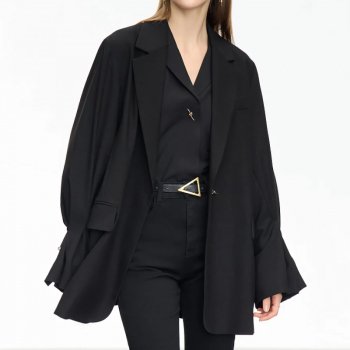
Product Spotlight: Minimalist Loose Fit Women’s Fashion Blazer
For a clean, repeatable layer that works across seasons, the Minimalist Loose Fit Women’s Fashion Blazer is designed around an easy, relaxed silhouette that still reads polished. It’s the kind of piece that can anchor a capsule wardrobe: wear it open with denim on weekends, button it over a fine knit for work, or pack it for travel to instantly elevate simple basics.
More In-Stock Picks to Round Out Your Cart
- Stylish Boys’ Corduroy Hooded Pullover with Pocket (a cozy layering option if you’re shopping for family essentials, too).
- Bluetooth MP3 MP4 Player with 4.0″ Touchscreen (a compact add-on for commutes, workouts, or travel days).
FAQ
How should a loose fit blazer look without appearing oversized?
Keep the shoulders and sleeves aligned: the shoulder seam should sit near the shoulder edge (a slight drop is fine), and sleeves should hit around the wrist bone. The body can be roomy, but the lapels should lie flat and the upper back shouldn’t bunch when you move.
Can a minimalist loose blazer be worn in business settings?
Yes. Choose a neutral shade, pair it with tailored trousers or a pencil skirt, and keep the base layer refined (fine knit, sleek tee, or button-down). Finish with polished shoes and a structured bag for a professional look.
What should be worn under a loose fit blazer?
Streamlined layers look best—think a fitted tank, tee, fine knit, or a neat button-down. Avoid bulky hoodies unless you’re intentionally going for a very casual, streetwear-style contrast.



Leave a comment