10 Easiest Pets to Care For: Low-Maintenance Picks
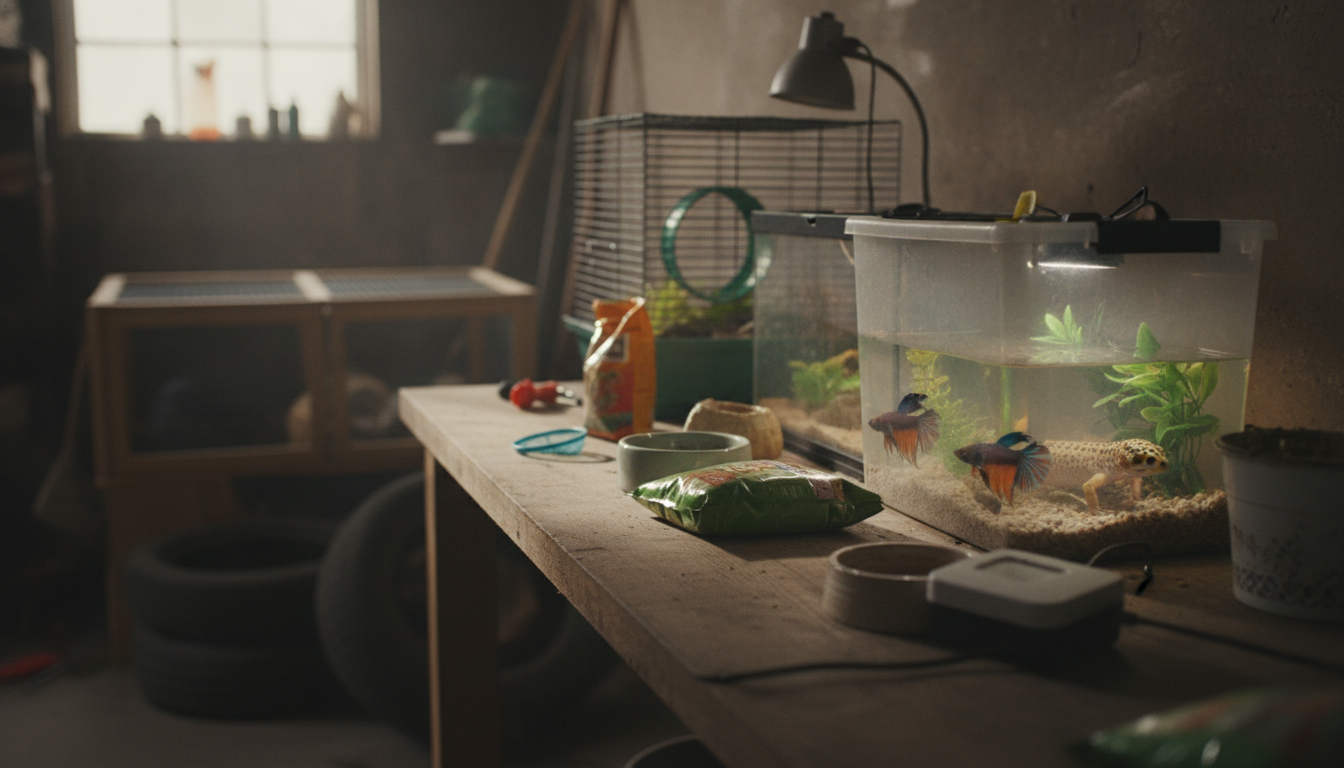
What are the top 10 easiest pets to take care of?
The easiest pets to care for tend to have simple housing needs, predictable diets, and low daily hands-on time. Still, “easy” depends on your schedule, space, allergies, and comfort with handling. Here are 10 beginner-friendly options that keep upkeep straightforward when set up correctly.
1) Betta fish
A single betta in a heated, filtered tank is relatively simple: regular feeding and weekly water maintenance. Avoid tiny bowls—stable water conditions make care much easier.
2) Neocaridina shrimp (cherry shrimp)
In a planted, cycled aquarium, these shrimp mostly graze and require light feeding. They’re best for people who enjoy low-noise, low-interaction pets.
3) Mystery snails
One or two snails in an established aquarium help clean up algae and leftovers. Provide calcium (like cuttlebone) for healthy shell growth.
4) Leopard gecko
Leopard geckos are hardy, handleable, and don’t need high humidity. Offer a warm side, hides, and appropriately sized insects with calcium.
5) Corn snake
With secure housing and the right temperatures, corn snakes are calm and feed on pre-killed frozen/thawed rodents weekly or less. Spot-cleaning is quick and routine.
6) Crested gecko
Crested geckos do well on prepared powdered diets mixed with water, plus occasional insects. They need vertical space and moderate humidity, but daily tasks stay manageable.
7) African dwarf frog
These fully aquatic frogs thrive in a filtered tank with gentle flow. Feed sinking foods and keep water parameters stable for easy long-term care.
8) Hermit crab (with a proper setup)
Hermit crabs can be easy once their habitat is correct: deep substrate, stable warmth/humidity, fresh and salt water, and spare shells. Most “difficulty” comes from under-sized setups.
9) Sea monkeys (brine shrimp)
They’re simple to keep and fun to observe, requiring minimal space and low-cost supplies. Consistent, light feeding and avoiding overfeeding are key.
10) Ant farm (harvester or gel-free formicarium)
Ants are low handling, low mess, and fascinating. A proper formicarium and species-appropriate food/water routine keep maintenance minimal.
For a practical way to plan habitat, feeding, and routine upkeep—especially for reptiles and other small exotics—use this checklist: exotic pet starter checklist for habitat, feeding, and care.
FAQ
What should you buy before bringing home an exotic pet?
Start with the full habitat (enclosure, heat/lighting if needed, substrate, hides), then confirm the exact diet, supplements, and feeding tools. Set up and test temperatures/humidity or water parameters in advance so the environment is stable on day one.





Leave a comment