Warm Four-Leg Fleece Dog Pajamas: Fit & Safety Tips
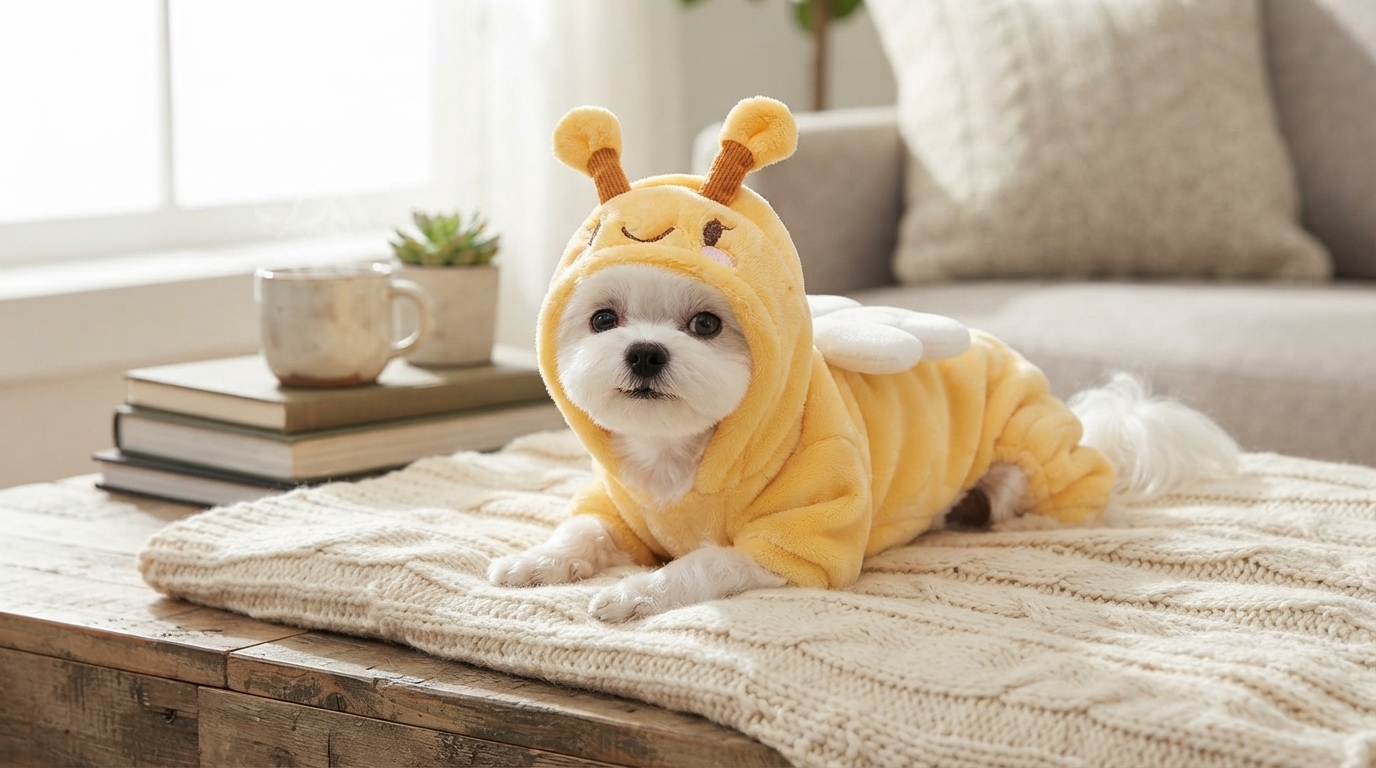
Cold nights and drafty mornings can leave pets shivering, especially short-haired breeds, seniors, and small dogs. Soft fleece pajamas with full-leg coverage add an extra layer of insulation while keeping movement comfortable for lounging, naps, and bedtime.
If you’re looking for an easy, cozy layer that’s simple to put on and comfortable for longer wear, take a look at Cozy Fleece Four-Leg Pet Pajamas for Autumn & Winter Warmth.
Why full-coverage pet pajamas help in colder months
When temperatures drop, many pets feel it indoors just as much as outdoors—especially in homes with tile floors, older windows, or overnight thermostat setbacks. Four-leg pajamas can be a practical option when a typical sweater isn’t quite enough.
- Adds a warm, lightweight layer for indoor chill, early-morning walks, and overnight sleeping.
- Four-leg coverage helps reduce heat loss in areas that sweaters often leave exposed, like upper legs and shoulders.
- Can minimize shedding around the home and help keep coats cleaner between baths (useful after rainy yard time).
- Useful for pets that seek warmth on heaters or under blankets, offering a safer, consistent layer (always supervise around heat sources).
For general seasonal safety reminders, the AVMA cold weather animal safety guidance and ASPCA cold weather safety tips are helpful references.
What makes fleece a comfortable choice
Fleece is popular for pet pajamas because it delivers warmth without the stiff, heavy feeling that can make some pets freeze up or “walk funny.” The fabric’s texture and insulation are also friendly for calm, longer wear.
- Fleece traps warm air while staying soft against skin and fur.
- Comfortable for long wear when the fit is correct and seams sit flat.
- Dries relatively quickly after washing, supporting frequent use during rainy and snowy seasons.
- Pairs well with a harness or collar when the neckline and chest area are not overly bulky.
A good fleece pajama should feel like a gentle layer—not a restriction. If your pet seems irritated, keeps shaking a leg, or tries to rub against furniture, it’s usually a fit or seam issue rather than a “they hate clothes” issue.
Design highlights to look for in four-leg pajamas
Not all four-leg pajamas are built the same. Small design details can make the difference between a cozy outfit your pet forgets they’re wearing and something that twists, rides up, or causes rubbing.
- Stretch at the cuffs to keep sleeves from riding up without cutting off circulation.
- A belly opening cut that supports quick potty breaks and reduces mess.
- Smooth seam placement at the armpits and inner legs to help prevent rubbing.
- A snug (not tight) neckline that stays in place while allowing normal breathing and swallowing.
- Room through the chest and shoulders for a natural stride, play bows, and curling up.
If your pet wears a harness for quick potty trips, look for a pajama that doesn’t create bulky layers across the front of the chest. A smoother front panel helps prevent bunching under straps.
Sizing and fit: getting the comfort right
Warmth only helps if your pet can move normally. Before buying, grab a soft tape measure and note three basics: back length (base of neck to base of tail), chest girth (widest part), and neck circumference.
- If measurements fall between sizes, choose the size that fits chest girth first to avoid tightness.
- Check range of motion: your pet should walk, sit, and lie down without sleeve tugging.
- Avoid excess fabric at the ankles that could cause slipping on smooth floors.
- For long-bodied breeds, prioritize back length; for broad-chested breeds, prioritize chest and shoulder room.
Quick fit check before the first full day of wear
| Checkpoint | Good sign | Adjustment needed if… |
|---|---|---|
| Neckline | Two fingers fit comfortably | Choking, coughing, or collar area bunches up |
| Chest/shoulders | Easy stride and natural posture | Front legs splay outward or steps look shortened |
| Leg cuffs | Stays in place without marks | Deep impressions, licking, or chewing at cuffs |
| Belly/potty area | Clear and dry after bathroom breaks | Urine/feces contacts fabric or stains appear quickly |
| Back length | Covers torso without pulling | Rides up toward mid-back when walking |
When to use pet pajamas (and when to skip them)
Pet pajamas are best when they add comfort without increasing risk. Consider your home temperature, your pet’s coat type, and how active they’ll be while wearing them.
Care and longevity
Comfort and safety tips for everyday wear
A cozy pick for seasonal comfort
For a ready-to-wear option, Cozy Fleece Four-Leg Pet Pajamas for Autumn & Winter Warmth offers the full-coverage style many pets do well with during autumn and winter.
If you’re also putting together a seasonal comfort bundle at home, you may like these in-stock picks: Stylish Boys’ Corduroy Hooded Pullover with Pocket and Mini 8GB Voice Recorder Digital Audio MP3 Player USB Pen with Earphones.
FAQ
Can a dog sleep in fleece pajamas overnight?
Yes for many pets if the fit is comfortable and your dog doesn’t overheat. Confirm easy breathing, no twisting at the legs, and a dry potty area, and remove the pajamas if you notice indoor panting or any irritation.
How do four-leg pajamas affect potty breaks?
They should have a belly cut that keeps fabric clear of urine and feces. Test during a supervised outing; if the pajamas get wet or soiled, the sizing or cut may be a poor match.
What if the pajamas slide or bunch up when walking?
Recheck chest girth and shoulder room first, then back length. Bunching often means the torso is too long or short, or the chest is too tight; adjusting the size and ensuring cuffs aren’t overly loose usually helps.




Leave a comment