Wardrobe Formula for Work: 6 Outfits That Repeat Easily
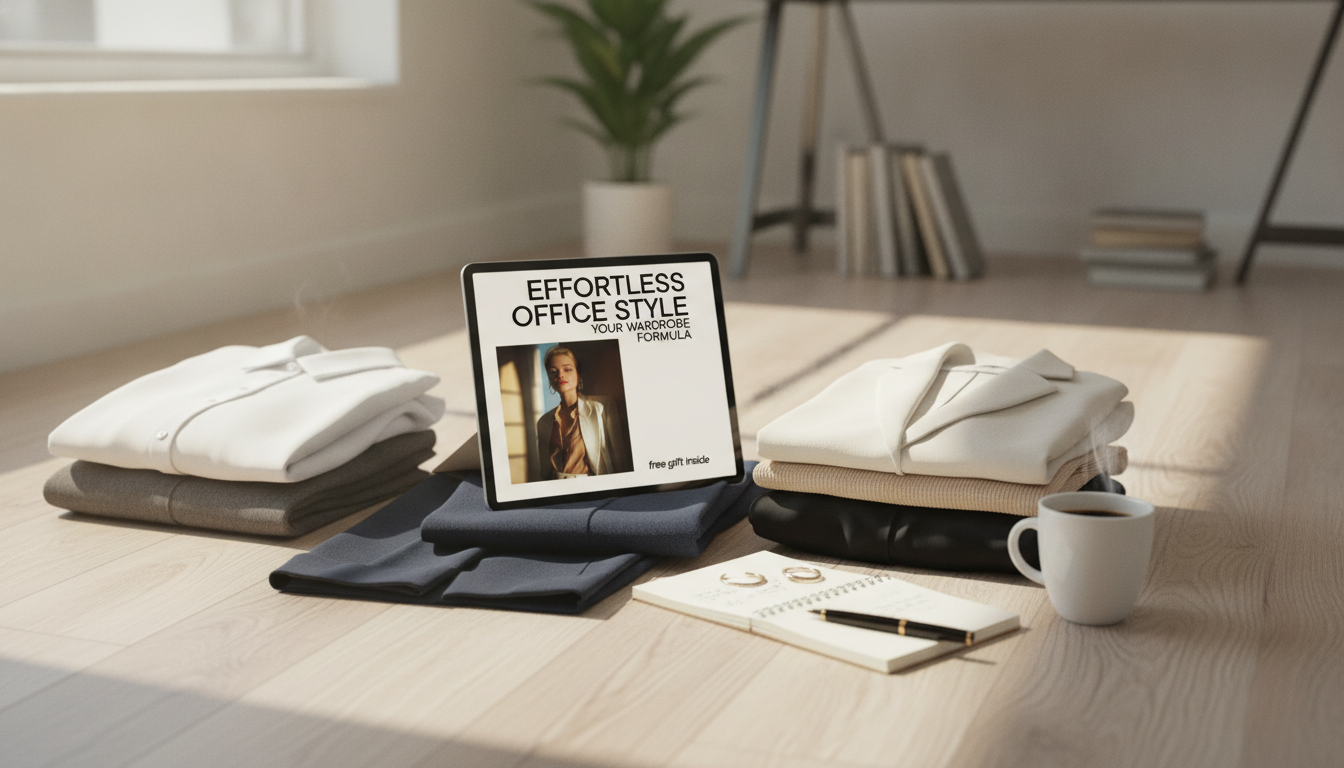
What a “wardrobe formula” is (and why it saves time)
A wardrobe formula is a repeatable outfit structure you can rely on when mornings are tight. Think: blazer + knit + tailored pant + loafer. Once the structure works on your body and fits your workplace, you can swap colors, fabrics, and shoes without reinventing the wheel every day.
Formulas reduce decision fatigue because you’re choosing within a smaller set of proven silhouettes rather than evaluating every item in your closet. The best formulas strike three balances at once: comfort for long hours, polish for credibility, and flexibility for different office settings—whether you’re at your desk, in a meeting, or headed to dinner after work.
Shopping gets easier, too. Instead of buying “something cute,” you look for pieces that plug into what you already wear: tops that layer smoothly, shoes that match multiple bottoms, and jackets that instantly elevate basics.
Build the core: the small set of pieces that does most of the work
A dependable work wardrobe doesn’t need endless variety—it needs repeatable building blocks. Start with a tight edit and let the combinations multiply.
1) Top layers (2–3)
Choose pieces that add structure the moment they go on: a blazer, a cardigan-jacket, or a structured knit jacket. These layers do the heavy lifting on days when the base outfit is simple.
2) Layer-friendly tops (3–5)
Keep the mix practical: a crisp button-down, a silky blouse, a fine-gauge knit, and a clean tee (great for casual offices or under a blazer). Prioritize smooth necklines and fabrics that don’t bunch under jackets.
3) Bottoms (2–3)
Anchor with tailored trousers, a straight midi skirt, and—if your workplace allows it—dark, office-appropriate denim with minimal distressing.
4) Dresses (1–2)
Pick dresses you can wear alone or “top” with a jacket for instant structure. Simple shapes outperform fussy ones when you’re trying to repeat outfits without looking repetitive.
5) Shoes (2–3 pairs)
Keep it tight: loafers or flats, a low/block heel, and a sleek ankle boot for colder months. A streamlined shoe lineup makes outfit planning dramatically faster.
6) Accessories (a small capsule)
One belt, one structured tote, simple jewelry, and a scarf for color are enough to finish most looks without overthinking.
Work outfit formulas that can be repeated all week
Use these as your “default settings,” then rotate one variable at a time (shoe, top color, or scarf) to keep the look fresh without changing everything at once.
- Formula 1: Blazer + fine knit + tailored trouser + loafer (clean lines, meeting-ready).
- Formula 2: Button-down + straight-leg trouser + belt + low heel (classic, sharp, minimal).
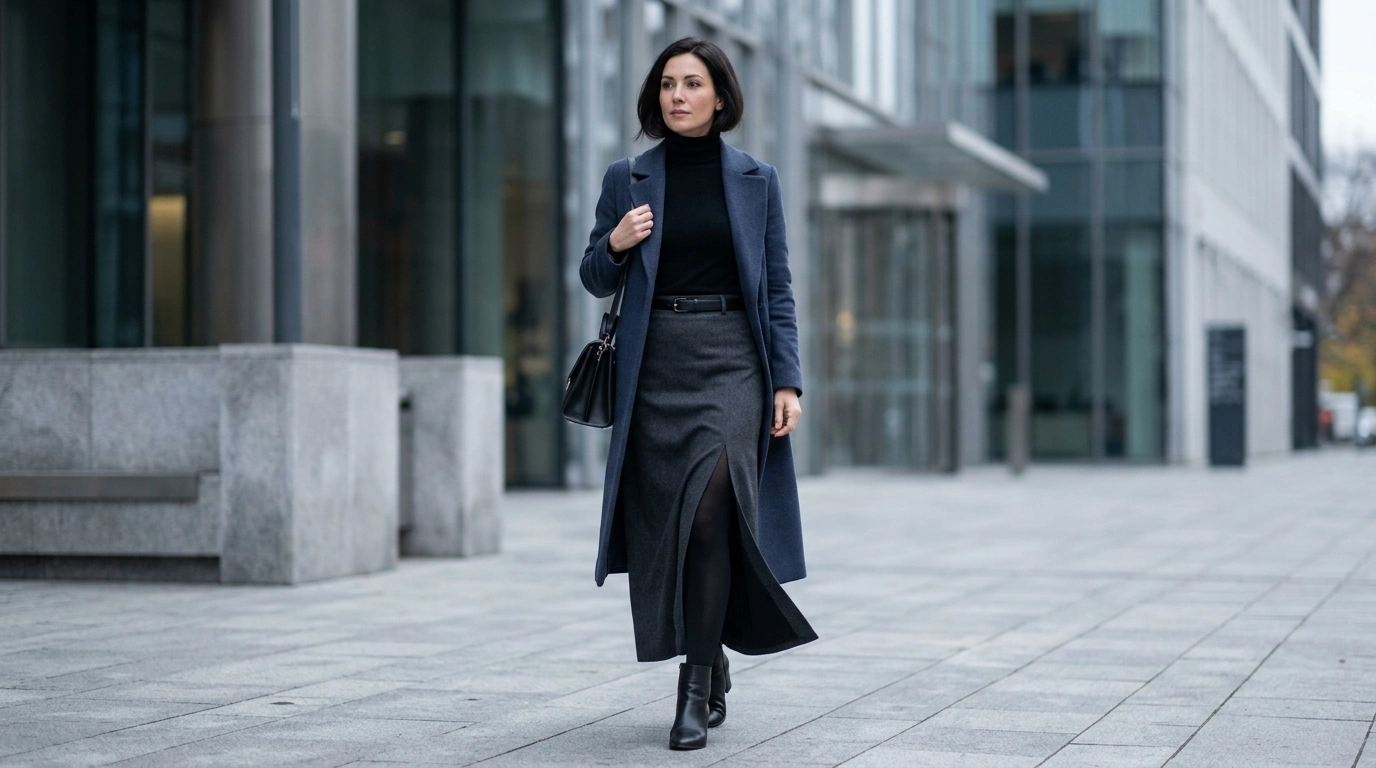
- Formula 3: Knit top + midi skirt + cardigan-jacket + flat (comfortable, polished, easy movement).
- Formula 4: Dress + blazer + slingback or block heel (one-and-done with structure).
- Formula 5: Monochrome set (same-color top and bottom) + statement layer (lengthens the line, looks expensive).
- Formula 6: Dark denim + blouse + blazer + loafer (business casual when denim is permitted).
Quick outfit formula swaps (keep the structure, change the vibe)
| Base formula | Swap 1 (more formal) | Swap 2 (more relaxed) | Best for |
|---|---|---|---|
| Blazer + knit + trouser + loafer | Add pointed-toe heel + sleek belt | Swap blazer for cardigan-jacket + clean sneaker (if allowed) | Client meetings / presentations |
| Button-down + trouser + belt | Add structured blazer + minimal jewelry | Swap button-down for fine knit polo | Office days / interviews |
| Dress + top layer + heel/flat | Choose blazer + block heel | Choose cardigan + flat | All-day wear / travel days |
| Knit + midi skirt + flat | Swap flat for low heel + add belt | Swap skirt for wide-leg trouser | Comfort-first business casual |
Color and fabric rules that make outfits look intentional
When outfits feel “put together,” it’s often color cohesion and fabric quality doing the quiet work.
For workplace expectations and policy considerations, it can help to reference guidance from credible sources like SHRM’s dress code resources and general professional standards discussed by Harvard Business Review.
Fit and proportion: the difference between fine and polished
A simple weekly plan for getting dressed faster
Digital guide for outfit formulas and a capsule work wardrobe
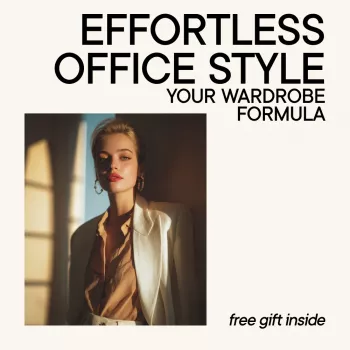
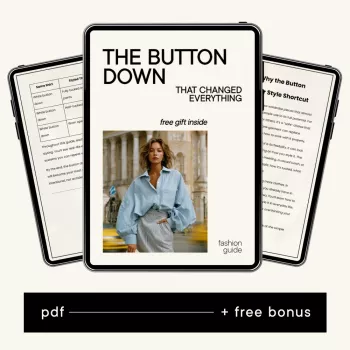
- Effortless Office Style: Your Wardrobe Formula (digital download) organizes outfit structures so you can mix and match faster.
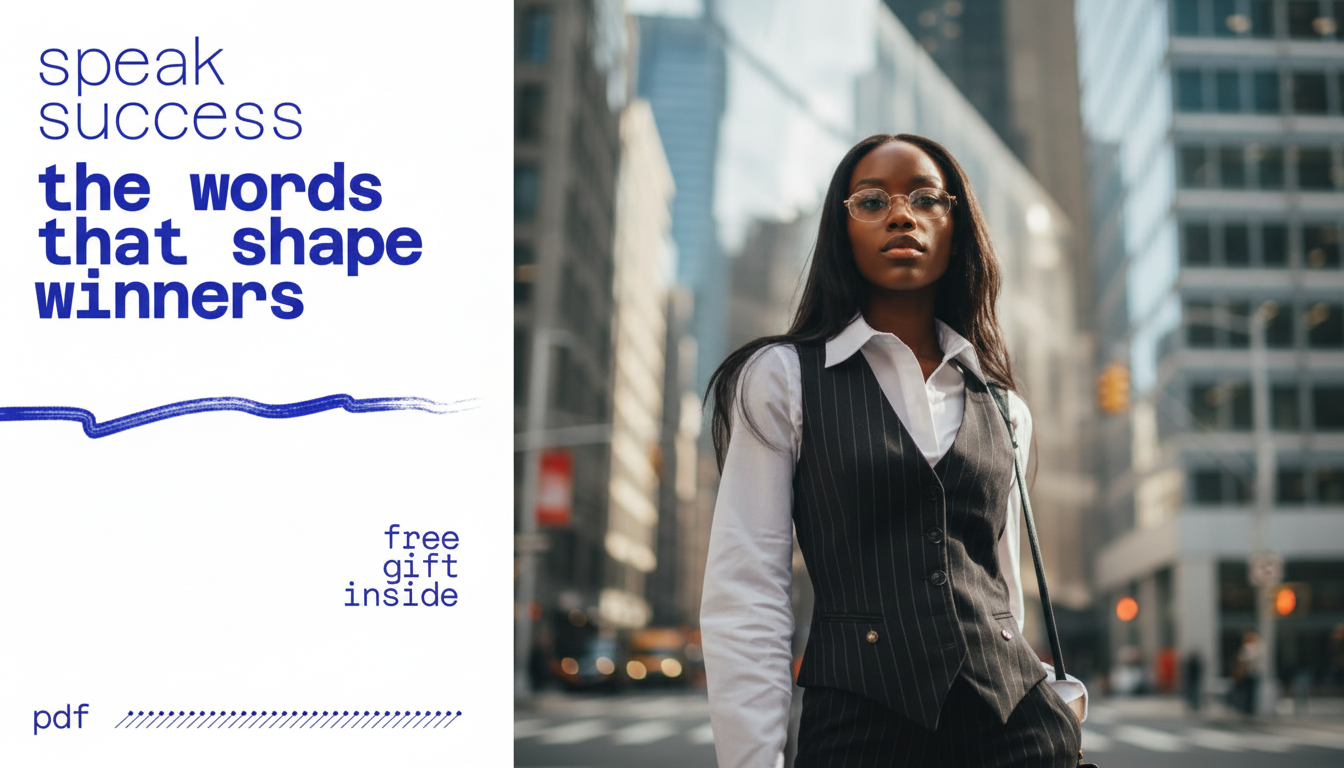
- Speak Success: Your Power Words Action Checklist pairs well with a polished wardrobe when you want your presence and communication to feel equally intentional.
- Mini 8GB Voice Recorder Digital Audio MP3 Player USB Pen with Earphones is a handy tool for capturing quick meeting notes or to-dos when you’re moving between conversations.
As a reminder, dress standards can intersect with fairness and policy, so it’s worth being aware of workplace guidance and employee protections shared by the U.S. Equal Employment Opportunity Commission.
FAQ
How many pieces are needed for a capsule work wardrobe?
Most people do well with about 15–30 core pieces, depending on your dress code and how often you do laundry. Start small with 2–3 top layers, 2–3 bottoms, a few tops that layer easily, and versatile shoes.
What are the easiest work outfit formulas for business casual offices?
Reliable options include blazer + knit + trouser, button-down + trouser + belt, dress + blazer, and knit top + midi skirt + cardigan-jacket. Change formality with shoes (loafers vs. low heels) and one polished accessory (belt or structured bag).
How can outfits look professional without wearing heels?
Loafers, pointed-toe flats, and sleek ankle boots can look just as polished as heels when the outfit is tailored and structured. Keep colors cohesive, choose quality fabrics, and finish with a refined bag and simple jewelry.


Leave a comment