Teach Your Dog to Stay: 7-Day Plan for Puppies & Adults
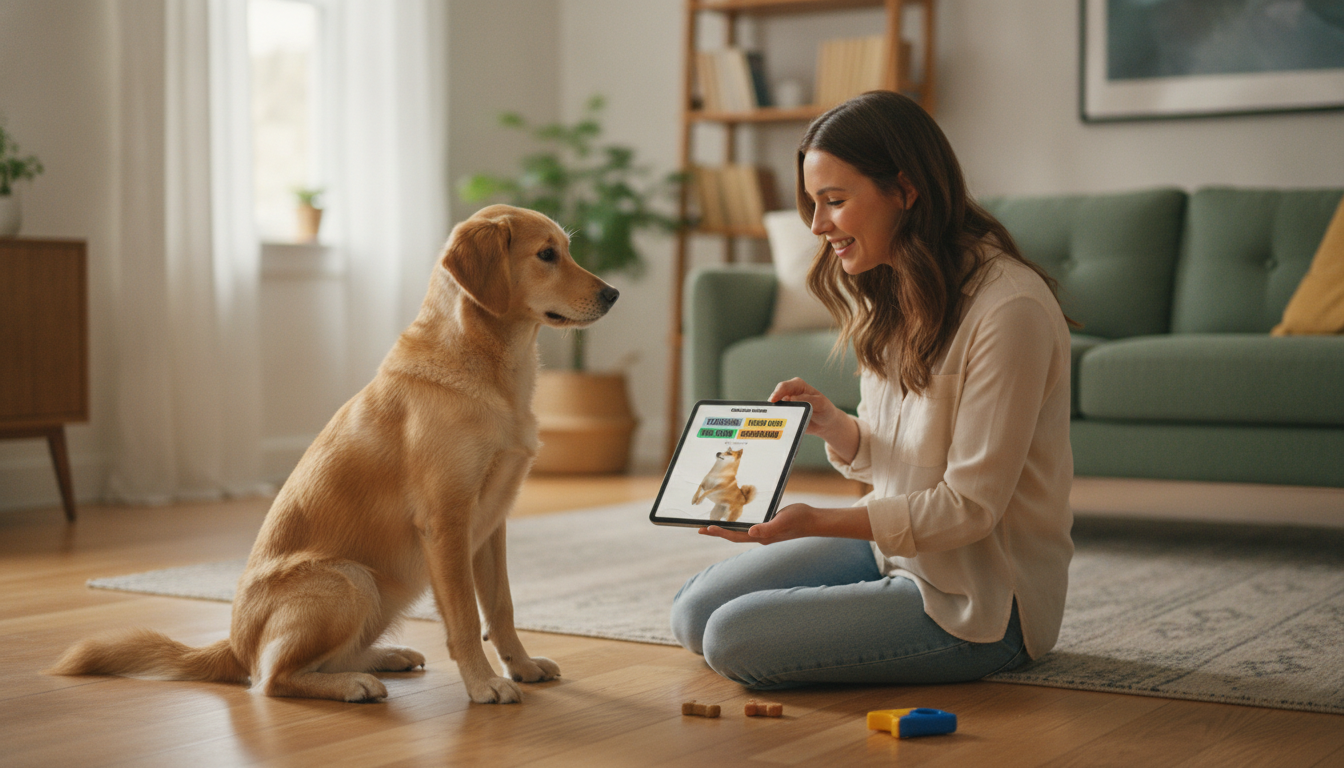
Teaching Your Dog the Stay Command: A Beginner-Friendly Training Plan for Puppies and Adult Dogs
“Stay” is one of the most practical cues for everyday safety and good manners—helping a dog pause at doors, remain calm during greetings, and hold position around distractions. With short sessions, clear criteria, and consistent rewards, beginners can teach a reliable stay without nagging or repeating the cue.
What “Stay” Really Means (and Why Dogs Struggle With It)
“Stay” isn’t a quick pause—it’s an active job: remain in position for duration (time) until you give a clear release. Many dogs struggle because “stay” is really three skills trained together over time: duration, distance (you stepping away), and distraction (life happening around them).
Stays usually fall apart for predictable reasons: the release word is inconsistent, difficulty jumps too quickly, rewards only happen at the very end (so the dog learns to “hold their breath” and then pop up), or practice happens only in one quiet room—so the behavior doesn’t transfer elsewhere.
Before You Start: Set Up for Fast Progress
- Pick rewards that fit the moment. Use tiny soft treats for learning; switch to higher-value rewards when you add distractions.
- Choose one release word (examples: “OK,” “Free,” “Break”) and use it only when the dog is allowed to move.
- Use a calm marker (“Yes”) or a clicker to pinpoint the exact second your dog is staying correctly.
- Keep sessions short. Aim for 2–5 minutes, a few times a day, and end with an easy win.
- Train on a non-slip surface. Puppies especially do better when they feel stable and comfortable.
For additional training fundamentals and humane training principles, reputable references include the American Kennel Club training resources, the ASPCA’s dog training tips, and the IAABC position statements.
Step-by-Step: Teaching Stay From the Ground Up
1) Start with a position your dog already knows
Begin from sit or down—whichever is more reliable today. “Stay” is easier when the starting position is already solid.
2) Add the cue after the behavior is predictable
Ask for sit/down, pause for one second, then say “Stay”. Mark (“Yes”/click), treat, then release (“OK”). This sequence helps your dog understand that “stay” describes what they’re already doing: holding still.
3) Reward in position (before the release)
Deliver the treat while your dog remains in place, then release. This one detail prevents the classic “creep forward” where the dog inches toward your treat hand.
4) Build duration first
Increase time in small steps: 1 second → 2 seconds → 3 seconds. Mix easy reps with slightly harder ones (for example: 1, 2, 1, 3 seconds) so the dog doesn’t feel pressure to “guess” a longer stay every time.
5) Add distance in tiny pieces
Instead of walking away right away, start with a weight shift, then a half-step, then one step. Return to your dog to reward in position. Returning to reward (rather than calling the dog to you) protects the stay.
6) Add distractions last—one variable at a time
Try mild distractions like a quiet sound, a toy placed on the floor, or someone walking by at a distance. If the dog breaks, the distraction was too hard or too close. Make the next rep easier and pay sooner.
7) Make the end crystal clear
Always finish with your release word. The dog learns that “stay” is not over because you stopped treating—it’s over because you said “OK” (or your chosen release).
A Simple 7-Day Practice Schedule
| Day | Goal | Example Reps | Success Target |
|---|---|---|---|
| 1 | Introduce cue + release | Sit → 1s → treat in place → release | 8/10 successful reps |
| 2 | Duration (short) | 1–3 seconds, reward frequently, release often | 8/10 |
| 3 | Distance (tiny) | Half-step back → return → treat; 1 step if easy | 7/10 |
| 4 | Duration + return to reward | 3–5 seconds, return to dog to treat | 8/10 |
| 5 | New room + easy criteria | Repeat Day 2 in a different room | 8/10 |
| 6 | Mild distractions | Toy on floor, quiet movement at distance | 7/10 |
| 7 | Combine carefully | 5 seconds + 1–2 steps + mild distraction | 6–7/10 (then simplify) |
Troubleshooting: Fix the Most Common Stay Problems
Puppy-Specific Tips for Calm, Confident Stays
Making Stay Reliable in Real Life
Training Tools and What to Avoid
Digital Guide Option for Beginners
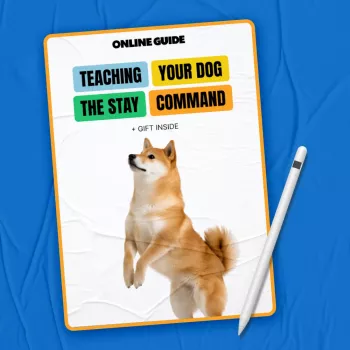
If you like a clear checklist and progression you can follow day by day, a digital training resource can help you keep criteria consistent across duration, distance, and distraction. See Teaching Your Dog the Stay Command (digital eBook) for a structured beginner-friendly approach.
For handlers who want to review sessions and notice patterns (like when your dog breaks as you step back), a simple recorder can help you capture timing and environment details. The Mini 8GB Voice Recorder Digital Audio MP3 Player USB Pen with Earphones is a compact option for logging notes or recording short training reps.
FAQ
How long should it take to teach a reliable stay?
Many dogs understand the basics in a few days, but reliability takes weeks (and sometimes months) once you add real-life distance and distractions. Consistent short sessions and gradual proofing speed things up without overwhelming your dog.
Should the treat come before or after the release word?
In early training, treat while your dog is still holding position, then use the release word so “stay” doesn’t accidentally end when food appears. Later, an occasional treat after release is fine to keep enthusiasm high, but it shouldn’t replace rewarding in place.
What should be done if the dog breaks the stay every time distractions appear?
Lower the criteria by moving farther from the distraction, making the stay shorter, and rewarding more frequently. Practice one variable at a time, and use a leash in early sessions so your dog can’t rehearse running off when something exciting happens.






Leave a comment