Dog Park Safety Routine: Calm Entries, Safer Play
Start With the Right Park, Time, and Expectations
Dog park safety begins long before the first sniff. The best parks make good behavior easier: look for clear signage, double-gated entries, separated areas for small and large dogs, shade, and rules that are posted and actually followed. If you see frequent gate crowding, unchecked rough play, or owners who aren’t supervising, it’s a cue to choose a different location.
Timing matters just as much as the park itself. For new, adolescent, or sensitive dogs, low-traffic windows (weekday mornings, mid-afternoon) reduce crowding and the “stacking stress” that can tip play into conflict. Peak hours often mean more bodies, more noise, and more arousal—conditions that increase mistakes and shorten tempers.
Set a simple goal for each visit: a few polite greetings, a brief play burst, or even neutral sniffing and walking near other dogs. A calm, predictable 15 minutes can build more confidence than an hour of chaotic laps. Skip the park altogether if your dog is ill, recovering, in heat, or suddenly showing new reactivity; health and hormone shifts can change tolerance quickly, and dog parks concentrate risk.
Pre-Park Checklist: Health, Gear, and Skills
Because dog parks bring many dogs into close contact, health basics are non-negotiable. Make sure vaccinations and parasite prevention are current, and be realistic about what “healthy today” looks like—soft stool, coughing, or lethargy are all reasons to choose a different activity. For public-health guidance on pet-related illness prevention, the CDC’s Healthy Pets, Healthy People resources are a helpful reference.
Pack with control in mind: high-value treats, water, and a standard leash for entry and exit. Retractable leashes reduce control, increase tangles, and can cause injuries if dogs bolt. Also, avoid bringing toys or high-value chews into a busy park; chasing and resource guarding can trigger scuffles that were otherwise avoidable.
At home, practice the skills that make public play safer: a cheerful recall (“come”), “leave it,” and a calm collar-hold or brief restraint that doesn’t feel scary. When interventions feel routine, dogs recover faster and your timing improves.
Quick Dog Park Readiness Check
| Item | Why it matters | Ready today? |
|---|---|---|
| Up-to-date vaccinations and parasite prevention | Lowers risk of contagious disease spread | Yes / No |
| Reliable recall in low-distraction settings | Allows safe interruptions and exits | Yes / No |
| Comfort around unfamiliar dogs | Reduces fear-based reactions in close quarters | Yes / No |
| Appropriate gear (flat collar/harness, standard leash) | Improves handling and reduces entanglement hazards | Yes / No |
| Owner focus and active supervision | Early intervention prevents escalation | Yes / No |
The Entry: Set the Tone Before the Gate Opens
Before you step inside, pause outside the fence and read the room. Healthy groups show loose, wiggly bodies, curved approaches, and frequent breaks. If you see nonstop chasing, pinning, or dogs piling onto newcomers, wait—or leave. This quick observation often prevents the most stressful visits.
Use the vestibule correctly. Enter only when the holding area is clear; if dogs are crowding the gate, barrier frustration can explode into rushed greetings. Keep your dog leashed until you’re fully inside the holding area, then remove the leash before opening into the main space. Leashes can create tension and tangles when dogs swarm, and those tangles are a common spark for panic.
Play vs. Trouble: Body Language That Matters
Supervision That Prevents Escalation
Handling Common Situations Safely
If dogs scuffle, avoid grabbing collars with bare hands. Use a loud interrupt, create distance with available barriers (benches, a large object, or coordinated owner movement), and separate calmly once the dogs disengage. After any bite, secure the dogs first, exchange contact and vaccination information, document with photos, and seek veterinary care for punctures—even small holes can seal over and hide deeper damage. For additional guidance, the AVMA dog bite prevention resource is a solid, practical overview.
After the Park: Decompression and Follow-Up
At home, do a quick body check for scrapes, burrs, limping, or tenderness—minor injuries are often missed while dogs are excited. If you notice a pattern of tension, consider safer alternatives like structured playdates with known dogs, training classes, or long-line time in an open field. For a general refresher on park etiquette and safety basics, the AKC dog park safety tips are a helpful supplement.
A Practical Companion for More Confident Park Visits
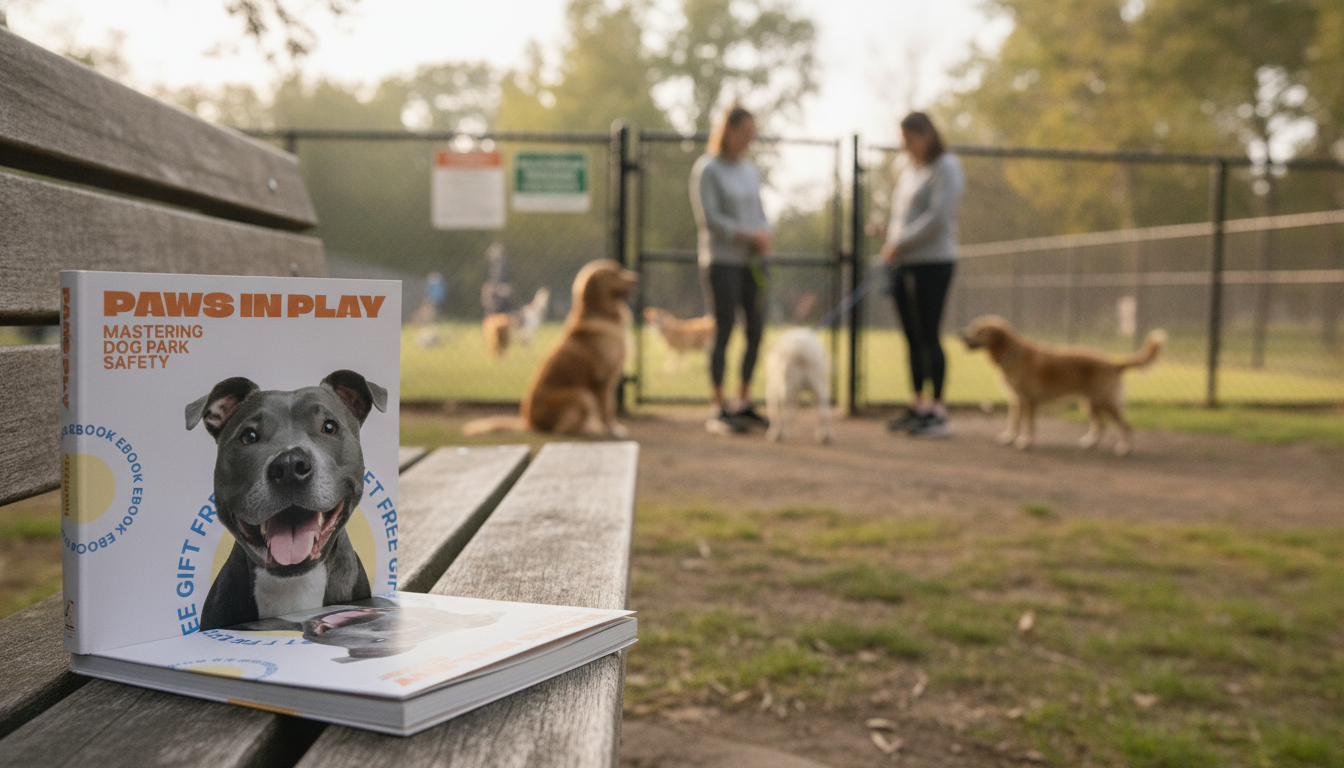
If you want a clear routine you can repeat—park selection, entry, real-time reading, and calm exits—Paws in Play: Mastering Dog Park Safety organizes the essentials into an easy, usable approach for day-to-day visits. It’s designed for faster recognition of warning signs, calmer interventions, and less second-guessing when the environment changes.
- Mini 8GB Voice Recorder Digital Audio MP3 Player USB Pen with Earphones for quick training notes (what time you went, what triggers showed up, what helped) so you can spot patterns and pick better visit windows.
- Speak Success: Your Power Words Action Checklist as a simple reminder tool for staying calm, consistent, and proactive when supervising in busy environments.
FAQ
How can a dog park visit stay safe if other dogs have unpredictable manners?
Focus on what you can control: go at low-traffic times, observe play before entering, keep sessions short, reward frequent check-ins, and leave at the first signs of escalating arousal or harassment.
What are the clearest signs a dog should leave the park immediately?
Leave if you see repeated pinning, one-sided chasing, stiff posture and hard staring, snapping after minor contact, fear avoidance, unreliable recall, or gate crowding that prevents a calm exit.
Is it safer to keep a dog on leash inside a dog park?
Usually no—leashes inside off-leash areas can increase tension and entanglement risk. A safer plan is controlled leashing only in the vestibule for entry/exit and leaving if the group dynamic isn’t suitable.







Leave a comment