First Solo Trip Planning: Destinations, Safety & Itinerary
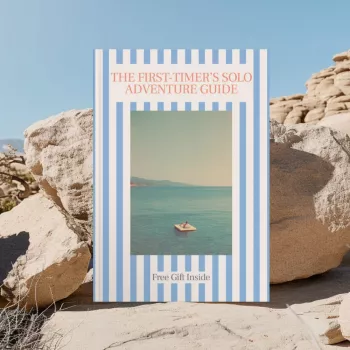
The First-Timer’s Solo Adventure Guide: Simple Steps to Plan a Confident First Trip
Solo travel for the first time can feel equal parts exciting and intimidating. A clear plan—destination choice, safety basics, and a realistic daily rhythm—turns uncertainty into momentum so the first trip feels doable from day one. The goal isn’t to plan perfectly; it’s to plan simply enough that you can relax once you arrive.
Start With a Trip That Matches Your Comfort Level
The easiest first solo trips have fewer moving parts. Instead of “seeing it all,” choose a setup that’s naturally forgiving if you’re tired, turned around, or just want a quiet afternoon.
- Pick a destination with friction-free transportation: clear transit maps, walkable neighborhoods, and lots of guided day tours when you want built-in structure.
- Prioritize simple everyday needs: easy SIM/eSIM activation, widespread card payments, and dependable lodging options with straightforward check-in.
- Keep it short: a 3–6 day trip is long enough to build confidence and short enough to avoid decision fatigue.
- Use one “home base” city: add only one easy day trip (by train, ferry, or tour) so you’re not constantly repacking.
If you’re deciding between two places, choose the one with the easier airport-to-hotel route. The smoother your arrival, the calmer your whole trip feels.
Beginner-Friendly Solo Travel Destinations (What Makes Them Easy)
Beginner-friendly destinations share a few traits: predictable transit, clear signage, safe central areas, and plenty of solo-friendly activities like museums, cafés, markets, and walking tours. Strong tourism infrastructure matters because it reduces the number of “figure it out on the fly” moments.
- Consider flight time and jet lag: fewer time zones can make day one dramatically easier.
- Reduce language stress: look for places where English support is common in tourist settings or where translation apps work reliably.
- Choose a city with daytime appeal: you’ll feel less pressure to stay out late to “get your money’s worth.”
Quick destination fit check for first-time solo travelers
| Trip style | What to look for | Why it helps on a first trip |
|---|---|---|
| City break | Walkable center, good public transit, lots of museums/markets | Easy days without needing a car or complex planning |
| Nature + comfort | National parks near a well-serviced town, guided hikes available | Outdoor experience with optional support |
| Budget-friendly intro | Affordable lodging and meals, safe transit links, busy public areas | Lower cost reduces pressure if plans change |
| Culture-focused | Many daytime attractions, early-evening vibe, guided tours | Less late-night risk and easier pacing |
Safety Basics That Keep Things Calm (Without Overcomplicating)
Safety doesn’t have to mean carrying a dozen gadgets or living on high alert. Simple redundancy and a few default rules can prevent most avoidable stress.
- Build in backup for essentials: one physical card plus a backup, your phone plus a power bank, and digital copies of documents stored securely.
- Arrive in daylight when possible: checking in, finding food, and getting your bearings is easier when everything is open and well-lit.
- Share a lightweight itinerary: give a trusted contact your lodging address, flight/train details, and a daily check-in time.
- Choose lodging for ease, not just aesthetics: strong recent reviews for location and check-in, plus front-desk support, is ideal for a first solo trip.
- Use a simple rule: if a situation feels off, leave early—no explanation required.
For official travel updates and health guidance, check sources like the U.S. Department of State and the CDC Travelers’ Health pages before you go.
A First-Timer Itinerary Formula (So Each Day Has a Default Plan)
When you’re traveling solo, decision fatigue is real. A “default plan” keeps you moving even if you wake up unsure what you feel like doing.
- Use a 1–2–1 structure: 1 anchor activity (must-do), 2 flexible options (nice-to-do), 1 easy reset (park, café, scenic walk).
- Batch logistics early: on day one, handle your transit card, a quick grocery/snack stop, and a short loop around your neighborhood.
- Add buffers: plan one open afternoon for rest, weather changes, or spontaneous invitations.
- Make dinner low-friction: choose places near your lodging, do counter service, or book reservations where it helps you relax.
Packing for Confidence: Small List, Big Impact
Social Without Pressure: Easy Ways to Meet People (or Not)
Use the Guide as a Checklist: Plan, Book, Go
If you want an easy, ready-to-follow framework, The First-Timer’s Solo Adventure Guide (digital download) is designed to help you choose a beginner-friendly destination and map out a calm first itinerary.
For solo travelers who like to capture directions, tour details, or quick reminders without pulling out a phone in busy areas, the Mini 8GB Voice Recorder USB Pen with Earphones is a simple way to record notes on the go.
If nerves and overthinking are the biggest barrier to booking, Break Free: Stop Self-Sabotage Today (digital eBook) can help you build momentum through practical mindset shifts before departure day.
FAQ
How long should a first solo trip be?
Aim for 3–6 days with one home base. It reduces logistics (packing, transit, check-ins) while still giving you enough time to settle into solo routines and build confidence.
What’s the safest way to choose where to stay when traveling alone for the first time?
Prioritize location, easy transit access, and strong recent reviews that mention smooth check-in and a helpful staff. When possible, arrive in daylight and have a backup plan for getting to your lodging (official taxi stand, rideshare pickup point, or pre-booked transfer).
How can a new solo traveler meet people without feeling overwhelmed?
Choose structured, daytime group activities like walking tours, classes, or small-group day trips, and limit yourself to one social plan per day. Keep an exit line ready so you can leave politely whenever you feel your energy dip.





Leave a comment