Printable Acrylic Painting Checklist for Beginners
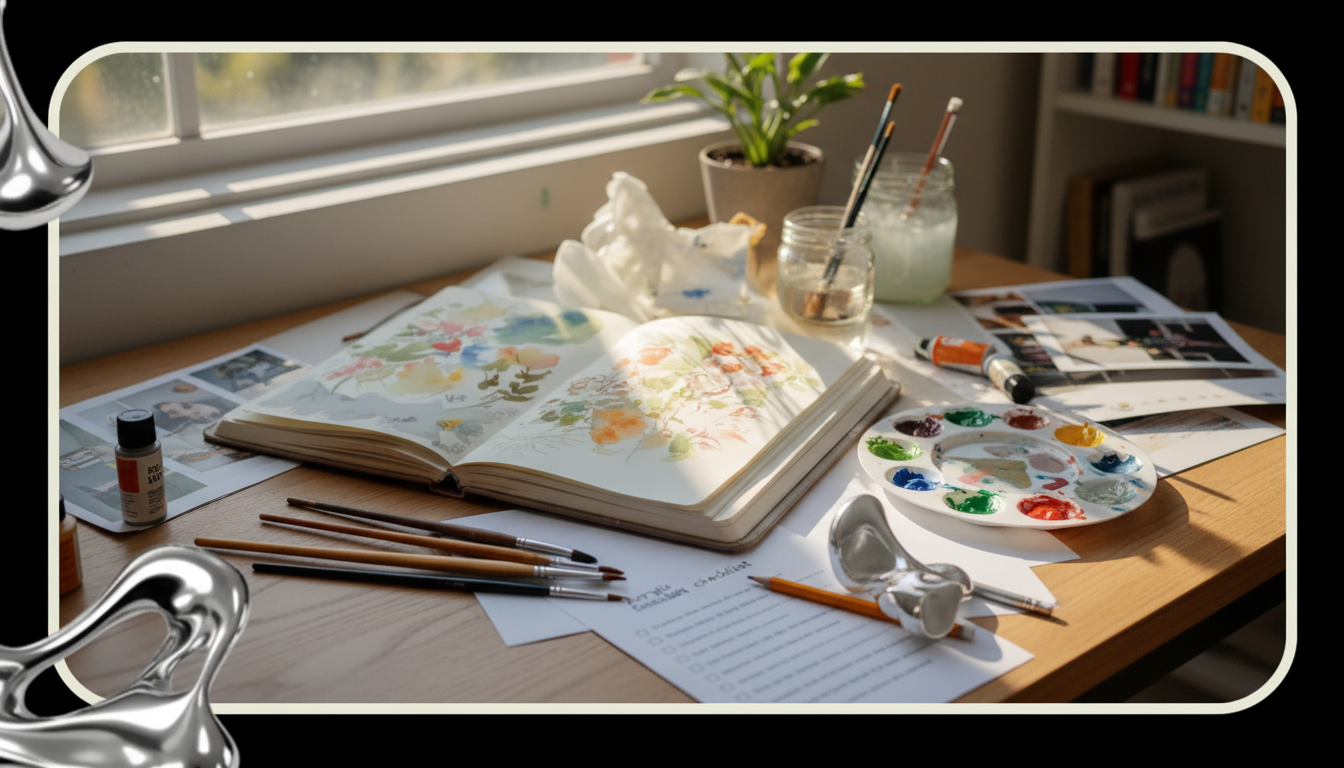
A Beginner Acrylic Painting Checklist: Printable Step-by-Step Guide for New Artists
Starting acrylic painting feels easier when the materials, workspace, and painting steps are laid out in a simple order. This checklist-style guide breaks the process into quick prep, a beginner-friendly painting sequence, and a cleanup routine—so each session starts smoothly and ends without mess or wasted paint.
What the printable checklist helps with
- Reduces overwhelm by turning “start painting” into small, doable actions.
- Prevents common beginner snags: missing tools, muddy colors, paint drying too fast, and poor lighting.
- Creates a repeatable routine: setup → paint → evaluate → protect → clean.
- Works for quick practice sessions (15–30 minutes) or longer paintings.
- Makes it easier to pause and resume later without guessing where to pick back up.
If you want a ready-to-print version you can keep by your supplies, use the Printable beginner acrylic painting checklist to make the routine automatic.
Beginner acrylic painting supplies checklist (essentials first)
- Surface: acrylic paper pad, canvas panel, or stretched canvas (start small: 8×10 or 9×12 to build confidence).
- Paint: a limited palette (primary colors + white + optional black or a premixed neutral) to learn mixing faster.
- Brushes: 3–5 basics (flat, filbert, round, small detail, and a larger wash brush if desired).
- Palette: disposable palette pad, ceramic plate, or sealed palette box.
- Water container + rag/paper towels for quick brush cleaning.
- Easel or stable table support; tape for securing paper if painting on a pad.
- Pencil/eraser or charcoal for a light sketch.
- Optional but helpful: palette knife, spray bottle/mister, stay-wet palette, varnish (later), and apron.
Quick supplies checklist: must-have vs. nice-to-have
| Item | Must-have for first painting | Nice-to-have upgrade | Notes for beginners |
|---|---|---|---|
| Paint colors | Yes | Yes | Start with fewer colors to avoid muddy mixes; add more later. |
| White paint | Yes | Yes | Titanium white is a staple for tinting and coverage. |
| Canvas/paper | Yes | Yes | Canvas panels are affordable and beginner-friendly. |
| Brush set | Yes | Yes | A small set beats many low-quality brushes. |
| Palette | Yes | Yes | Use any non-porous surface; keep piles separate. |
| Water cup + towels | Yes | Yes | One cup for rinsing, one for cleaner water if possible. |
| Easel/table support | No | Yes | A slight tilt helps reduce glare and improves control. |
| Stay-wet palette | No | Yes | Helps when paint dries quickly in warm rooms. |
| Spray bottle | No | Yes | Light misting keeps paint workable; avoid over-watering. |
| Varnish | No | Later | Wait until the painting is fully cured before varnishing. |
Creative setup checklist (make the workspace easy to return to)
- Cover the table (kraft paper, plastic tablecloth, or a reusable mat) and set a “wet zone” for paint.
- Place lighting in front and slightly to the side to reduce shadows; natural daylight is ideal.
- Set a reference image or still life at eye level to minimize neck strain.
- Keep a “clean tools” spot and a “dirty tools” spot to avoid contaminating colors.
- Prepare a small scrap surface for quick color tests and brushstroke practice.
- Set a timer for short sessions to build consistency without burnout.
For a deeper dive on paint behavior, drying time, and technique, reputable manufacturers share practical guidance—see Golden Artist Colors – Acrylic Painting Techniques and Tips and Liquitex – Acrylic Mediums and How They Affect Paint.
Step-by-step acrylic painting checklist (beginner-friendly order)
When you’re training your eye, it helps to revisit the basics of value and color relationships; the Smithsonian American Art Museum – Elements of Art overview is a solid refresher.
Beginner acrylic painting tips for cleaner color and smoother blending
Common problems checklist (and quick fixes)
Cleanup and storage checklist (so supplies last longer)
How to use the printable for faster progress
Consistency is the real advantage—pair your painting routine with a simple daily mindset tool like the Power words action checklist for staying consistent with creative practice if you tend to start strong and fade out.
If you like capturing quick color-mixing notes, ideas, or “next session” reminders without getting paint on your phone, the Mini 8GB Voice Recorder Digital Audio MP3 Player USB Pen with Earphones is an easy way to talk through what you’ll fix next time. And if perfectionism or procrastination is the real roadblock, Break Free: Stop Self-Sabotage Today can help you keep creating even when results feel messy.
FAQ
What basic acrylic paint colors should a beginner start with?
A limited palette is ideal: one red, one yellow, one blue, and titanium white, with optional black or a premixed neutral. Fewer colors make mixing easier to learn and helps prevent muddy combinations while you build confidence.
How do you keep acrylic paint from drying too fast while painting?
Use a stay-wet palette or lightly mist your paint, work in smaller sections, and close lids and tubes promptly. Reducing heat or fan airflow also helps keep paint workable longer without over-diluting it.
Do you need to seal or varnish acrylic paintings?
Varnishing is optional, but it can protect the surface and even out the finish. If you choose to varnish, wait until the painting is fully cured (often a few weeks) so the final layer bonds properly.






Leave a comment