12V Dual-Drive Kids Ride-On: All-Terrain Buying & Safety
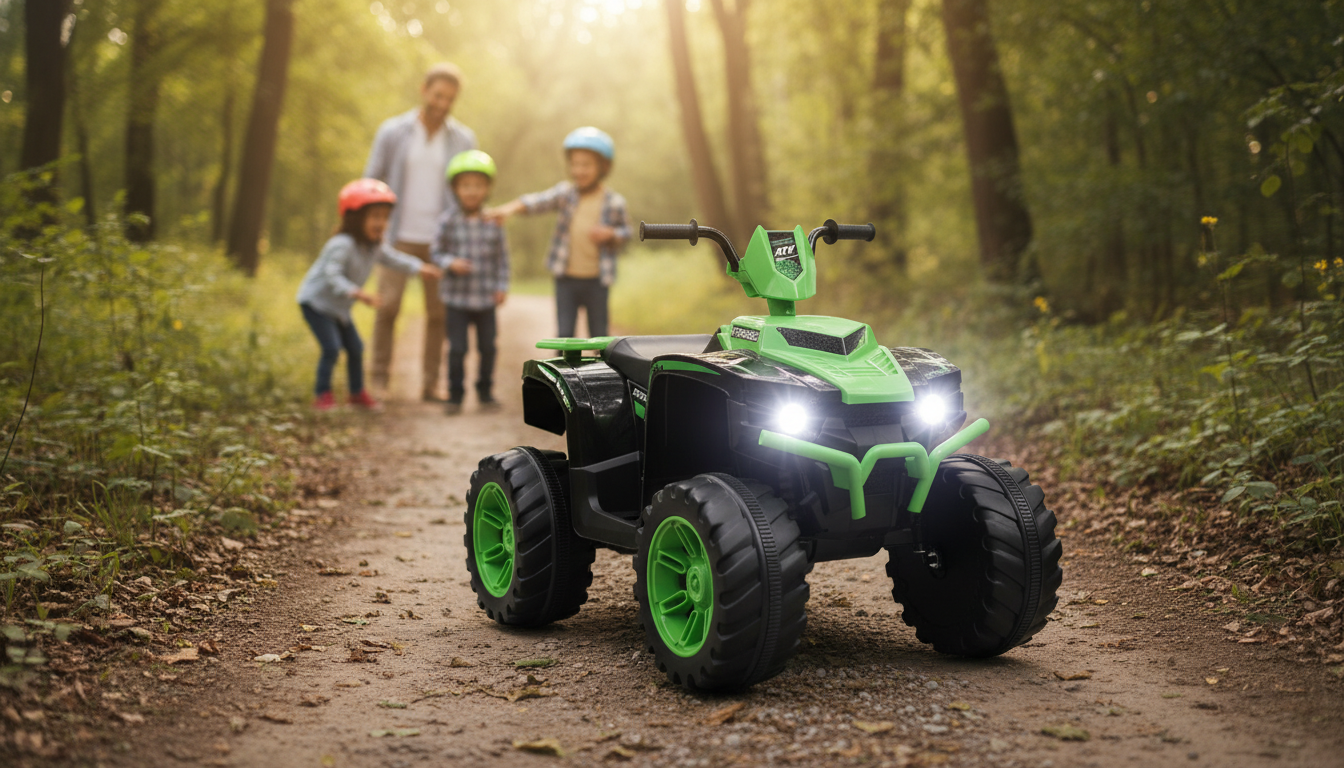
Kids’ All-Terrain Electric Ride-On Car (Dual Drive, 12V): What to Know Before Playtime
An all-terrain ride-on with dual drive and a 12V battery is built for backyard adventures beyond smooth sidewalks. Dual-drive traction can help on grass and packed dirt, while a 12V system typically delivers a stronger “push” than smaller ride-ons under similar conditions. Below are the practical details that matter most before you set it loose in the yard—plus a day-one checklist to keep performance steady and playtime safer.
Quick look: what makes an all-terrain, dual-drive 12V ride-on different
Not all “off-road” ride-ons behave the same. The biggest differences come down to how power reaches the wheels, how the tires contact the ground, and how much work the battery can handle before performance fades.
- Dual drive typically means power is sent to two wheels, which can improve grip and reduce wheel spin on grass, packed dirt, and small inclines.
- All-terrain styling often includes wider tires and a higher stance, but real-world capability still depends on surface resistance, rider weight, and battery charge.
- 12V systems are a common step up from smaller ride-ons and usually maintain momentum better when the surface isn’t perfectly smooth.
- Best results come from matching the vehicle to the rider’s size and the surfaces it will actually drive on, not just the toughest terrain it could attempt.
Terrain performance: traction, steering, and where it excels
All-terrain ride-ons are at their best on “backyard roughness”—not extreme trails. Think lawns, packed soil, and driveway transitions rather than deep ruts and steep grades.
Grass and lawns
Dual drive can help the vehicle keep moving when one wheel would otherwise spin, especially on slightly uneven areas. Thick or wet grass adds major rolling resistance, which can shorten run time and make steering feel heavier.
Packed dirt and gravel
On packed dirt, traction is often more consistent than on damp grass. On gravel, the tires can slip during turns, so keep speeds conservative and encourage wide, gentle steering inputs rather than sharp cranks.
Sidewalk transitions and small bumps
Approach edges and seams straight-on. Hitting an obstacle at an angle can catch a tire, causing a sudden stop that jolts the rider and stresses the drivetrain.
Inclines
Stick to gentle slopes and avoid stopping mid-hill. Starting from a standstill on an incline demands more torque, increases battery draw, and can lead to rollback if the rider lifts off the pedal unexpectedly. Close supervision matters most here.
12V battery basics: run time, charging habits, and storage
Battery performance isn’t just about the label on the box. It changes based on how hard the ride-on works and how consistently the battery is cared for.
Safety essentials that matter most for ride-on vehicles
- Active supervision: keep the area away from roads, parked cars, pools, steps, steep slopes, and drop-offs.
- Protective gear: closed-toe shoes help prevent scrapes and stubbed toes. A properly fitted helmet is a good upgrade for uneven surfaces or quicker models (see helmet guidance from the American Academy of Pediatrics).
- Surface rules: avoid wet grass, loose sand, mud, and slick leaves that reduce steering control and braking traction.
- Passenger rules: do not exceed the intended number of riders. Extra load increases stopping distance and can make steering feel unpredictable.
- Pre-ride check: confirm the battery is seated, wheels are secure, and steering feels tight with no wobble.
For broader toy safety reminders and recall information, the U.S. Consumer Product Safety Commission (CPSC) is a helpful reference point.
Setup, upkeep, and small habits that prevent big problems
Choosing the right match: rider fit, surfaces, and practical limits
Featured picks (in stock)
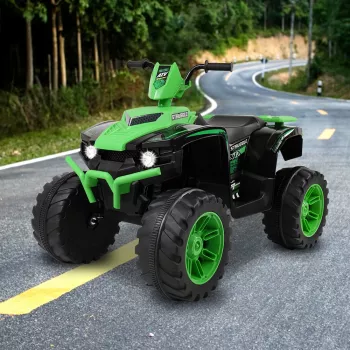
- Kids’ All-Terrain Electric Ride-On Car, Dual Drive 12V Battery Vehicle
- Mini 8GB Voice Recorder Digital Audio MP3 Player USB Pen with Earphones (handy for recording “driver logs,” parent reminders, or labeling storage routines)
Checklist table: what to verify before buying or on day one
| Item to check | Why it matters | Pass criteria |
|---|---|---|
| Rider fit in seat and steering reach | Reduces loss of control and fatigue | Hands comfortably on wheel; feet stable; no stretching |
| Play surface (grass/dirt/pavement) and slope level | Prevents stalls, rollbacks, and tip risks | Mostly flat area; gentle slopes only; no drop-offs |
| Wheel/axle free-spin | Avoids drivetrain strain and short run times | Wheels spin smoothly; no grinding; no grass/string wrapped |
| Battery charge routine | Extends battery life and keeps performance consistent | Charged after use; stored in moderate temperature |
| Charger and port condition | Prevents electrical hazards and charging failure | No frayed wires; snug connection; dry, clean port |
| Supervision and boundaries | Stops runaways into hazards | Clear rules; defined play zone away from roads/water |
Common issues and quick troubleshooting
FAQ
How long does a 12V ride-on battery last per charge?
Run time varies with rider weight, surface resistance (grass drains faster than pavement), driving style, and battery age. Many families get a practical session per charge, and charging after each play period helps keep performance more consistent.
Is dual drive safer or just faster?
Dual drive mainly improves traction by powering two wheels, which can reduce wheel spin on grass or packed dirt and feel more controlled. Safety still depends on supervision, speed management, and staying on suitable terrain.
Can it be used on hills or off-road trails?
Gentle slopes are the limit for most kids’ ride-ons, and steep or uneven trails increase tip/rollback risk and strain the motor and battery. A flat, obstacle-free play zone is the safest and most reliable choice.




Leave a comment