500W 8-Cup Food Processor: Glass & Steel Bowls, 2 Speeds
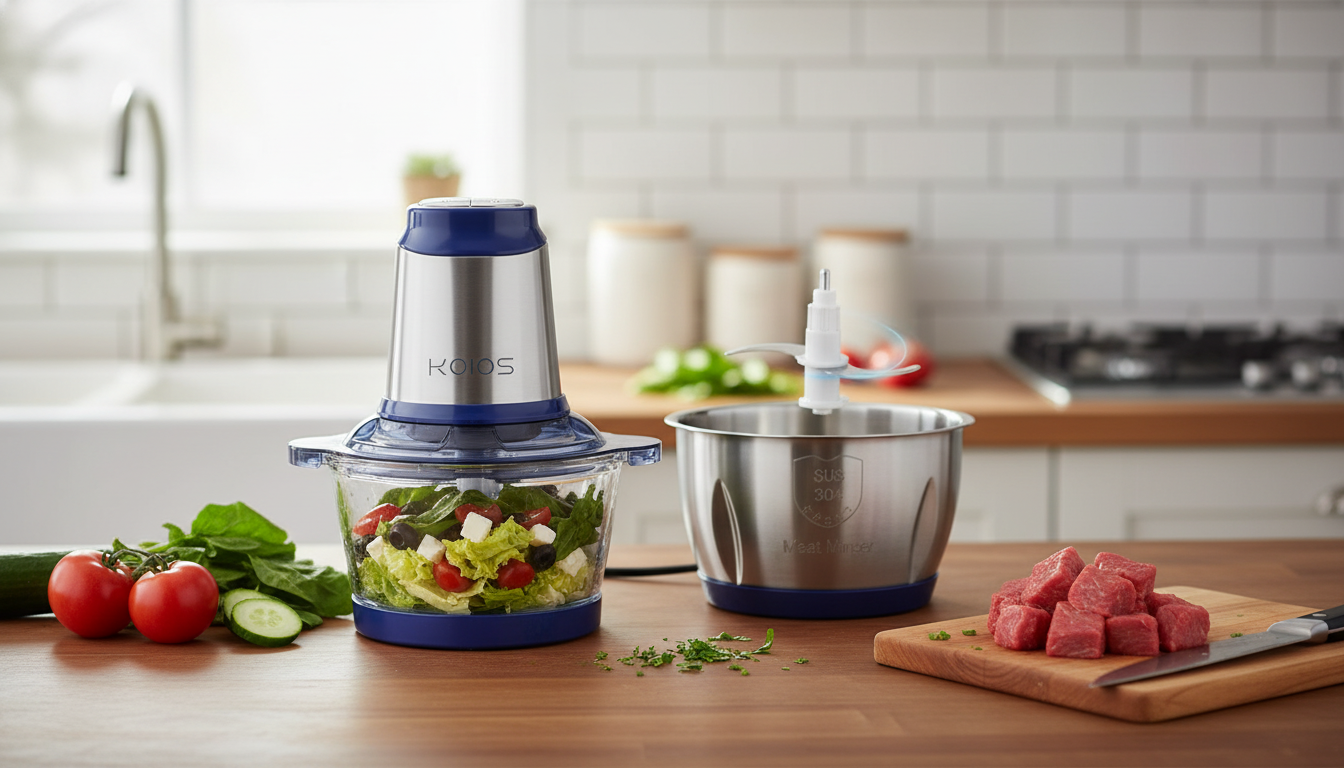
500W Electric Food Processor with 8-Cup Glass & Stainless Steel Bowls (2 Speeds)
A compact, high-power food processor can handle everyday prep—chopping onions, mincing herbs, mixing dips, or pulsing nuts—without taking over the countertop. This 500W model pairs an 8-cup capacity with two bowl options (glass and stainless steel) plus two speeds for simple texture control.
At a Glance: What This Food Processor Is Built For
- 500W motor aimed at quick chopping, blending, and pulsing tasks for daily cooking
- 8-cup capacity sized for family meals, batch prep, and party dips without constant refills
- Two speeds to shift between a gentler chop and a more aggressive breakdown
- Two bowl materials—glass for visibility and stainless steel for durability—so one processor can suit different tasks
Key Specs and Features
For most home kitchens, a food processor earns its keep when it reduces prep time without requiring a learning curve. With a 500W motor and two-speed control, this processor is designed for common tasks like chopping veggies, blending dips, and pulsing nuts—while the 8-cup size helps you prep enough for a meal (or a few days of leftovers) without overcrowding the bowl.
- Power: 500W for fast processing of common ingredients like vegetables, herbs, cooked meats, and nuts
- Capacity: 8-cup bowl size suitable for soups, salsa, chopped salad components, and dough-like mixtures that need pulsing
- Bowl options: Glass and stainless steel bowls for flexibility in prep style and cleanup preferences
- Speed control: 2-speed operation for quick adjustments in texture and consistency
- Everyday use cases: pico de gallo, hummus, pesto, coleslaw base, minced garlic, shredded-style chopping (coarse pulse), baby food-style purees (finer processing)
Feature Summary
| Feature | What it means in the kitchen |
|---|---|
| 500W motor | Helps power through tougher mixes and reduces the need for long run times |
| 8-cup capacity | More room for batch prep without overcrowding ingredients |
| Glass bowl | Easy visibility to stop at the exact texture desired |
| Stainless steel bowl | Durable option that’s helpful for frequent use |
| 2 speeds | Simple control for coarse vs. fine results |
Glass Bowl vs. Stainless Steel Bowl: When to Use Each
Having two bowl materials isn’t just a nice extra—it can make day-to-day prep smoother. The right bowl choice can help with texture accuracy, odor management, and overall durability depending on what you make most often.
- Choose glass when visibility matters: watching a salsa go from chunky to smooth, monitoring whipped mixtures, or stopping at a coarse chop.
- Choose stainless steel when durability is the priority: frequent daily processing, busier kitchens, and tasks where seeing inside isn’t essential.
- Reduce flavor transfer: if garlic, onions, or strong herbs tend to linger, dedicating one bowl to savory prep can keep lighter foods tasting clean.
- Temperature and serving convenience: stainless steel can be convenient to pre-chill for colder prep; glass can look presentable for serving certain dips right away.
Understanding 2 Speeds: Texture Control Without Guesswork
Two speeds may sound simple, but it’s often all that’s needed for everyday recipes. The main goal is controlling how quickly ingredients break down—especially with foods that can go from “perfectly chopped” to “mushy” in seconds.
- Lower speed for controlled chopping: onions, celery, carrots, and nuts where over-processing can turn results pasty.
- Higher speed for finer results: dips, sauces, dressings, and smoother purees.
- Pulse technique: use short bursts for even, coarse texture; scrape down the sides between pulses for consistency.
- Batching tip: for more uniform, restaurant-style cuts, process in smaller loads rather than filling to the top.
Performance in Common Prep Tasks
This is the kind of appliance that shines in the “repeat” recipes—weekly salsa, weekday mirepoix, or quick spreads for sandwiches and snacks.
For best results with any processor, keep food safety basics in mind: wash hands and surfaces, rinse produce, and clean equipment promptly after handling raw ingredients. The USDA’s “Clean” guidance is a helpful refresher for everyday kitchens: USDA FSIS Kitchen Companion—Clean. For broader safe-handling reminders, the FDA also summarizes practical steps that apply to most households: FDA Food Safety Basics.
Cleaning, Care, and Storage
Who This Processor Fits Best
Product Option
500W Electric Food Processor with 8-Cup Glass & Stainless Steel Bowls, 2 Speeds: a straightforward, medium-capacity processor built for daily prep with two bowl materials and two speed settings.
More In-Stock Picks
- Mini 8GB Voice Recorder Digital Audio MP3 Player USB Pen with Earphones
- Speak Success: Your Power Words Action Checklist | Digital Download
- Break Free: Stop Self-Sabotage Today | Digital eBook | Instant Download
FAQ
What can an 8-cup food processor handle for everyday cooking?
An 8-cup bowl is a practical size for salsa, hummus, pesto, chopped vegetables for soups and stir-fries, and pulsing nuts. For the most even results, avoid overfilling and process firm ingredients in smaller batches when you want uniform cuts.
When should the glass bowl be used instead of the stainless steel bowl?
Use the glass bowl when you want to watch texture closely—like stopping salsa at “chunky” or controlling a coarse chop. Stainless steel is a strong pick for frequent use and durability, and keeping one bowl dedicated to pungent ingredients can help with lingering odors.
How do two speeds change the results when chopping and blending?
Lower speed (plus short pulses) helps keep ingredients coarser and reduces the risk of turning food pasty. Higher speed is better for smoother dips, sauces, and purees; scraping down the sides between bursts improves consistency.




Leave a comment