Ageless Style in Your 50s: Fit, Color & Outfit Formulas
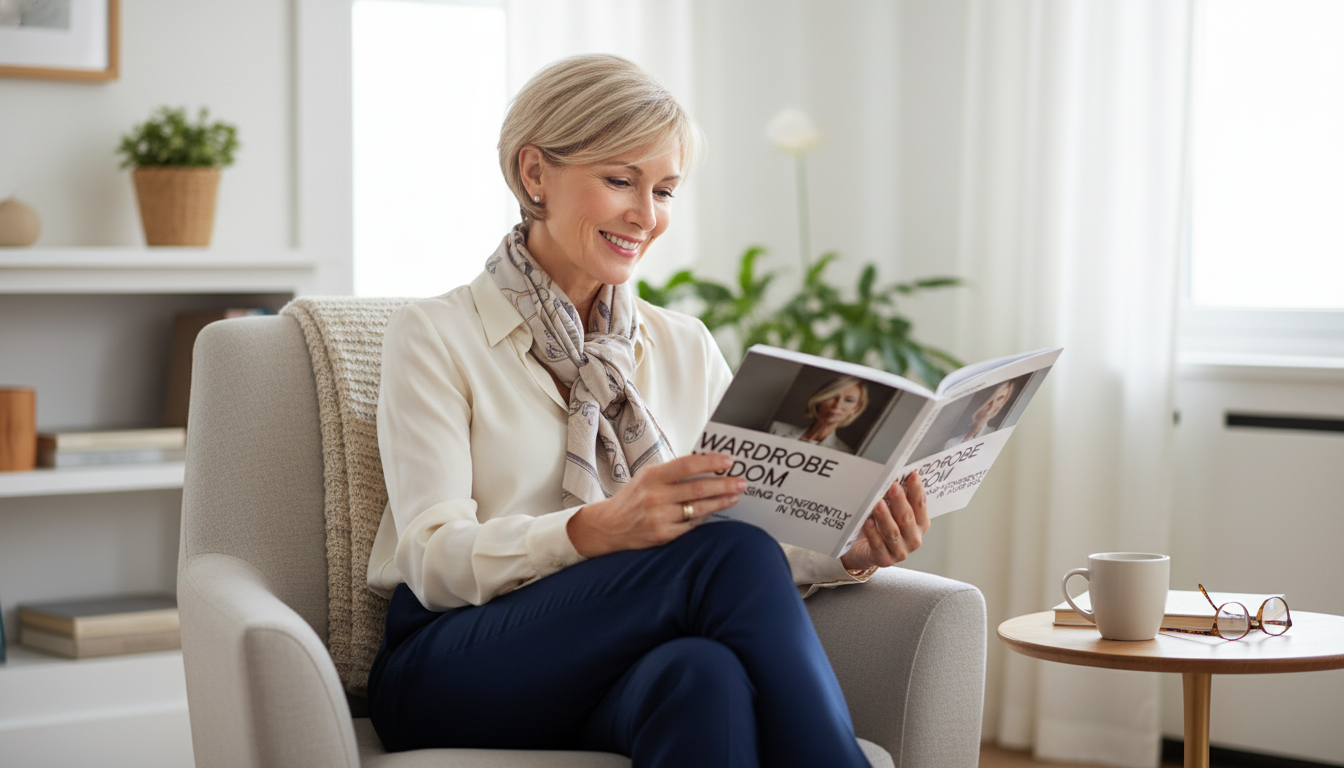
Wardrobe Wisdom: Dressing Confidently in Your 50s — eBook Guide to Ageless Style
Style in your 50s can feel like a reset: your lifestyle shifts, your body may change, and old “rules” stop working. The good news is that confident dressing doesn’t require a brand-new wardrobe—it comes from practical, repeatable choices around fit, color, proportions, and a few reliable outfit formulas. This guide is designed to make getting dressed feel easy, modern, and unmistakably you.
What “ageless style” looks like in real life
Ageless style isn’t about dressing younger or playing it safe. It’s about dressing with clarity—choosing pieces that support your life right now and make you feel like yourself the moment you put them on.
- It prioritizes fit, fabric quality, and thoughtful proportions over chasing trends.
- It uses modern, clean silhouettes with personal details (color, accessories, signature pieces).
- It balances comfort and polish so outfits work for real schedules and real bodies.
- It builds confidence through repeatable formulas, not complicated wardrobe overhauls.
Common wardrobe frustrations in your 50s (and the simple fixes)
- “Nothing feels like me anymore.” Pick 3 style words (for example: refined, relaxed, modern) and let them guide purchases and outfits.
- “I have clothes but no outfits.” Create 5 go-to outfit formulas and repeat them with different colors and textures.
- “Fit is inconsistent.” Tailor key items (hem, waist, sleeve) and choose cuts that skim rather than cling.
- “I don’t want to look dated or try-hard.” Update with one modern element at a time (shoe shape, denim cut, neckline) and keep everything else clean and classic.
- “I want comfort without looking sloppy.” Upgrade fabrics (knits, ponte, structured cotton, wool blends) and add structure with a third piece.
A confidence-first wardrobe framework
When getting dressed feels hit-or-miss, the fix is a simple framework that makes your closet more predictable.
- Start with the purpose of your week: work, travel, events, casual days, exercise, and downtime.
- Choose a consistent color strategy: a neutral base plus 2–3 accent colors that flatter your skin tone.
- Use structure intentionally: collars, blazers, cropped jackets, straight-leg pants, and elevated shoes.
- Refine proportions: pair volume with a clean line (wide-leg + fitted knit; slim pant + relaxed blouse).
- Keep a “hero piece” rotation: a great jacket, dress, or statement accessory that instantly elevates basics.
Style pillars and what to focus on
| Pillar | What to check | Quick win |
|---|---|---|
| Fit | Shoulders, waist placement, hem length | Tailor one pair of pants and one jacket |
| Color | Contrast level, flattering neutrals, accents | Pick one signature accent color for accessories |
| Proportion | Top-to-bottom balance, layering lengths | Add a third piece (blazer/cardigan) to create a clean line |
| Fabric | Drape, thickness, wrinkle resistance | Swap one thin tee for a structured knit or woven |
| Finishing | Shoes, jewelry, bag, grooming | Upgrade one everyday shoe to a modern, polished option |
Outfit formulas that make getting dressed effortless
Outfit formulas reduce decision fatigue. Once you find combinations that make you look and feel great, you can repeat them with different colors, shoes, and accessories.
- Polished casual: straight-leg denim + crisp shirt + loafers/sneakers + structured bag
- Modern classic: trousers + fine knit + blazer + minimal jewelry
- Easy dress day: midi dress + cropped jacket + low heel/flat + statement earrings
- Weekend refined: wide-leg pants + fitted tee/knit + longline cardigan + sleek trainers
- Event-ready: monochrome base + one statement layer (wrap, jacket, or bold accessory)
Ageless outfit formulas (mix-and-match)
| Occasion | Base pieces | Add-on that elevates |
|---|---|---|
| Everyday errands | Dark denim + knit top | Cropped jacket + clean sneaker |
| Lunch or meeting | Trousers + blouse | Blazer + necklace |
| Date night | Monochrome dress or separates | Heeled boot + bold lip/jewelry |
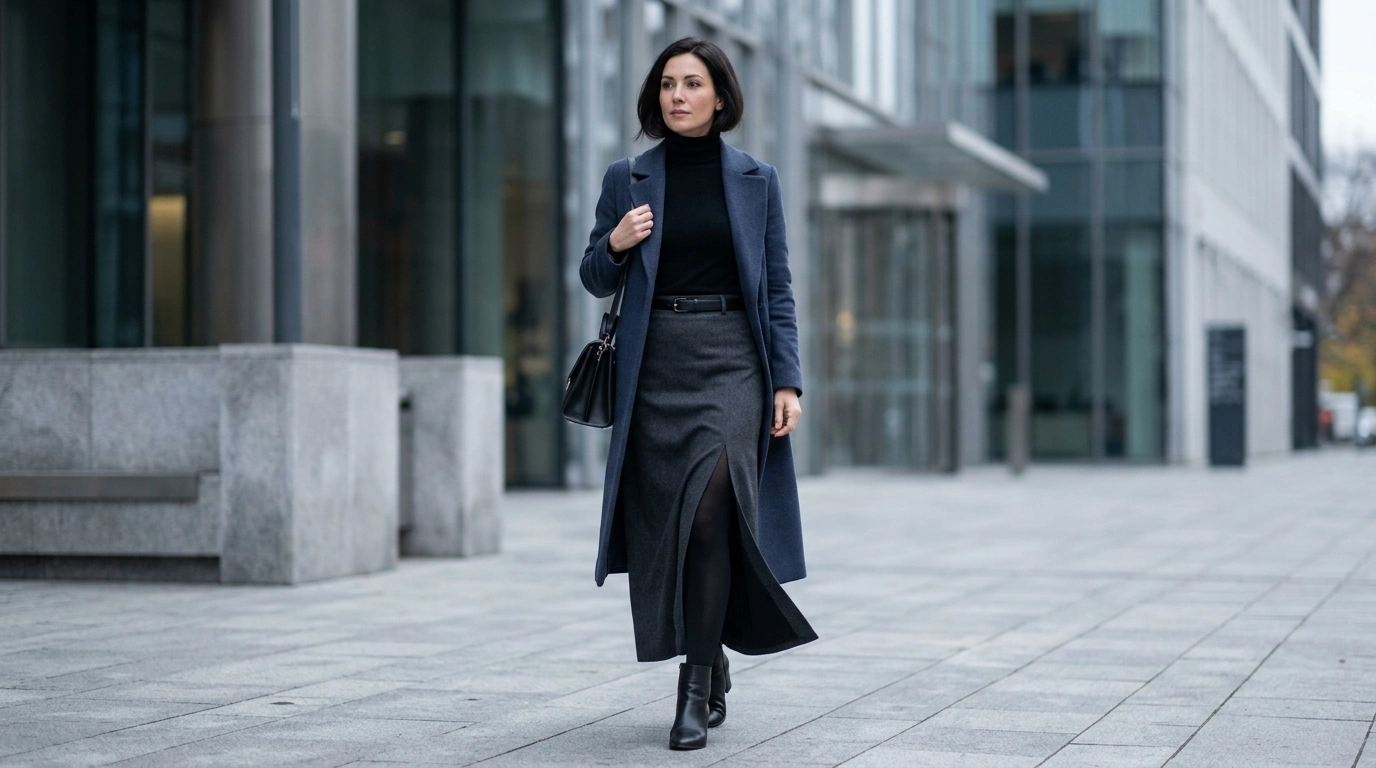
| Travel | Ponte pants + tee | Light trench + scarf |
| Celebration | Midi skirt + fitted knit | Statement earrings + structured clutch |
Smart edits: how to declutter without losing your style
A closet edit should feel like relief, not regret. Focus on what supports your current life and keep the rest from crowding your decisions.
- Use a 3-pile method: Keep (fits now and worn), Tailor/Repair, and Release (doesn’t serve current life).
- Keep “memory pieces” separately so your daily wardrobe stays functional.
- Audit duplicates: keep the best fabric and most flattering cut; donate the rest.
- Create a small “gap list” after the edit (updated jeans, better layering top, versatile shoe) so shopping stays targeted.
What’s inside the Wardrobe Wisdom eBook guide
Wardrobe Wisdom: Dressing Confidently in Your 50s – eBook Guide to Ageless Style is built for real closets and real mornings—when you want to look put-together without overthinking it.
If you like pairing style with mindset support, these digital tools can complement your reset: Speak Success: Your Power Words Action Checklist and Break Free: Stop Self-Sabotage Today.
Who this guide is best for
A simple way to use the guide over 7 days
Confidence also grows when you feel good in your body and skin—two foundations that can make clothes sit better and feel better. For supportive, research-based basics, see the National Institute on Aging guidance on exercise and physical activity and the American Academy of Dermatology’s skin care basics.
FAQ
How can style feel current in your 50s without dressing “too young”?
Lean on modern proportions, updated footwear, and clean lines, then add only one trend element at a time. When fit and fabric look elevated, the overall effect reads current rather than costume-like.
What are the most versatile wardrobe pieces to invest in first?
Start with a structured jacket or blazer, straight-leg pants or denim that fits beautifully, polished everyday shoes, and layering knits in flattering neutrals. A small tailoring tweak often makes these essentials look custom and expensive.
How do you build outfits faster when you have plenty of clothes but no ideas?
Create 4–6 repeatable outfit formulas, keep your palette fairly tight, and save photos of outfits you love so you can copy-and-paste on busy mornings. Build a mini weekly capsule using what fits and feels best right now.



Leave a comment