Emotional Intelligence for Real Life: Calm, Clear, Confident

Feel Smart: Mastering Emotional Intelligence for Real-Life Success
Emotional intelligence shapes how emotions are noticed, understood, and used—at work, at home, and in moments of stress. Instead of treating feelings like problems to “get rid of,” emotional intelligence (often called EQ) helps turn emotion into useful information: what matters, what needs attention, and what kind of response will actually help. When practiced consistently, EQ supports calmer communication, clearer boundaries, and faster recovery after hard moments.
Feel Smart: Mastering Emotional Intelligence for Real-Life Success (digital download) is built for everyday situations—tense meetings, family misunderstandings, spiraling thoughts, and the “I wish I hadn’t said that” moments. It focuses on practical tools for staying grounded under pressure, protecting mental energy, and strengthening relationships without forcing you to become overly emotional or overly detached.
What Emotional Intelligence Looks Like in Real Life
EQ shows up in small, repeatable choices more than dramatic breakthroughs. It’s the difference between reacting on autopilot and responding with intention—especially when you’re tired, stressed, or feeling misunderstood.
- Noticing emotional signals early (tone shifts, tight shoulders, racing thoughts) before they drive reactions
- Naming emotions accurately to reduce overwhelm and increase clarity
- Choosing responses that match long-term goals instead of short-term relief
- Balancing empathy with boundaries so support does not become self-neglect
- Using emotions as data for decisions, priorities, and communication
Research and clinical guidance increasingly emphasize that emotional skills are learnable—and that regulation and coping strategies can reduce the intensity and duration of stress responses over time. Helpful overviews include the American Psychological Association (APA) — Emotional Regulation and the National Institutes of Health (NIH) — Stress.
Core Skills the Guide Builds
Emotional intelligence isn’t a single trait. It’s a set of skills that work together—especially when the stakes feel high.
- Self-awareness: spotting patterns, triggers, values, and unmet needs behind strong feelings
- Self-management: calming the body, reframing thoughts, and pausing before speaking
- Social awareness: reading context, listening for what is not said, and recognizing others’ needs
- Relationship skills: conflict repair, respectful honesty, and assertive boundary setting
- Motivation and resilience: staying consistent when progress feels slow or uncomfortable
In professional settings, EQ is often tied to communication quality, leadership presence, and collaboration under pressure. For a workplace lens, see Harvard Business Review — Emotional Intelligence.
A Simple EQ Routine for Busy Days
EQ improves fastest when it’s practiced in quick moments, not saved for “someday when things are calmer.” A short routine creates repetition—so you can access the skill when it matters.
- 60-second check-in: identify emotion, intensity (1–10), and what it is asking for
- Two-minute reset: slow breathing or a brief body scan to reduce reactivity
- One-sentence reframe: replace assumptions with a neutral, testable statement
- One brave action: a small step that supports the relationship or goal (ask, clarify, apologize, request a boundary)
- Evening review: one win, one lesson, one next step to practice tomorrow
EQ Skill-to-Practice Map
| EQ skill | Common challenge | Quick practice | Best time to use it |
|---|---|---|---|
| Self-awareness | Feeling “off” but not sure why | Name the emotion + identify the trigger | Before important conversations |
| Self-management | Saying something regrettable | Pause + 4–6 slow breaths | During conflict or stressful meetings |
| Social awareness | Misreading tone in texts/emails | Ask one clarifying question | When communication feels tense |
| Relationship skills | Avoiding hard conversations | Use an “I feel / I need / Can we” script | When boundaries are crossed |
| Resilience | Quitting after setbacks | Track one tiny daily habit | When motivation dips |
Where Emotional Intelligence Creates Results
The payoff of EQ is practical: fewer avoidable conflicts, faster repair when conflict does happen, and more energy left for what matters.
- Work: clearer feedback, calmer meetings, better teamwork, and stronger leadership presence
- Home: fewer misunderstandings, healthier boundaries, and more supportive conversations
- Stress: improved emotional recovery after conflict or bad news
- Confidence: reduced people-pleasing, less rumination, and more direct communication
- Decision-making: fewer impulsive choices and more values-aligned actions
How the eBook Helps Turn Insight into Behavior
Knowing what emotional intelligence is doesn’t automatically change what happens in the moment. The difference comes from structured practice—especially with prompts that fit real conversations and real stress.
To start practicing right away, keep a copy of Feel Smart: Mastering Emotional Intelligence for Real-Life Success (digital download) somewhere easy to access—so the tools are available when you’re actually triggered, not only when you’re calm.
Pair It with Small Tools for Faster Habit Change
- Use a quick daily script to reinforce calmer, more intentional language in conversations with Speak Success: Your Power Words Action Checklist
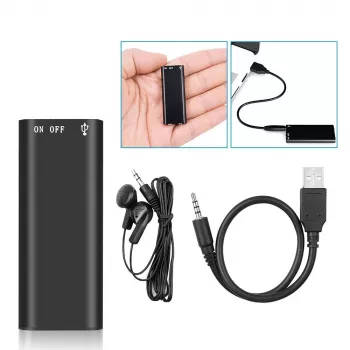
- Capture reflections, triggers, and breakthroughs immediately after meetings or difficult talks using a discreet Mini 8GB Voice Recorder Digital Audio MP3 Player USB Pen with Earphones
- Combine emotional regulation practice with anti-self-sabotage strategies when goals feel blocked with Break Free: Stop Self-Sabotage Today
Who This Is For
FAQ
How quickly can emotional intelligence improve with practice?
Most people notice early improvements as better pauses and calmer recovery after conflict within a few weeks of consistent micro-practices. Bigger changes—like fewer reactive patterns and stronger boundaries—typically build over time through repetition and tracking triggers.
Is this eBook useful for workplace communication and leadership?
Yes. EQ skills support clearer feedback, steadier meeting presence, healthier conflict repair, and more collaborative problem-solving—especially under pressure. Practical scripts and reflection prompts help translate insight into what to say and do in real conversations.
What if emotions feel overwhelming or hard to identify?
Start simple: label the closest emotion you can, note body signals, and rate intensity from 1–10. A gentle step-down sequence (pause, breathe, name, choose one small action) can reduce overwhelm; if emotions feel unmanageable or persistent, professional support can also help.






Leave a comment