Fine Lines Routine: Sunscreen, Retinoids & Hydration
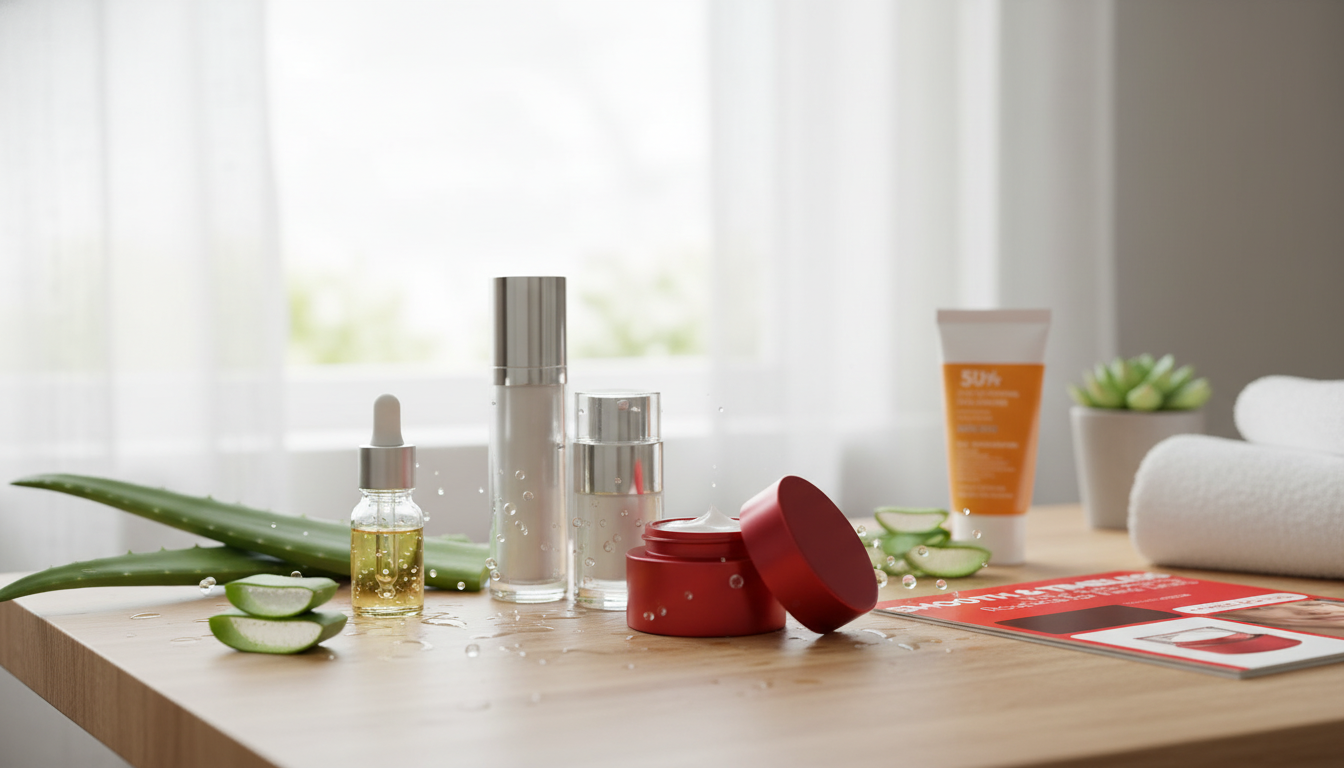
Smooth & Timeless: Your Anti-Aging Routine for Fine Lines – A Complete Guide to Youthful Skin
Fine lines are often the first visible sign that skin is losing hydration, resilience, and bounce. A truly effective routine focuses on a few proven pillars—daily sun protection, barrier support, and consistent use of well-studied actives—while avoiding irritation that can make lines look deeper. This guide breaks down what fine lines are, what actually helps, and how to build a simple routine that stays comfortable and sustainable.
Fine lines vs. wrinkles: what’s really happening
Fine lines are shallow creases that commonly show up first around the eyes, mouth, and forehead. Wrinkles tend to be deeper and more “etched,” often influenced by structural collagen loss over time plus repeated facial movement.
Several contributors can speed up visible aging: UV exposure (photoaging), dehydration, reduced collagen and elastin, slowed cell turnover, environmental stressors, and irritation from overly harsh skincare. The good news is that the same basic routine can address both—especially early fine lines, which often respond quickly to hydration, barrier repair, and daily sunscreen.
Set realistic expectations: skincare can soften the look of lines and prevent them from worsening. For deeper, static wrinkles, professional procedures may be needed for dramatic change.
The non-negotiables for smoother-looking skin
1) Daily broad-spectrum sunscreen (SPF 30+)
This is the most impactful step for preventing and improving visible photoaging over time. Apply generously every morning, and reapply if you’re outdoors for extended periods or sweating/swimming. The American Academy of Dermatology and the FDA both emphasize broad-spectrum coverage and proper use as key to meaningful protection.
American Academy of Dermatology Association: Skin care and sunscreen guidance
FDA: Sunscreen (broad-spectrum and SPF basics)
2) Gentle cleansing
A cleanser shouldn’t leave skin feeling tight or squeaky. Over-cleansing and overly stripping formulas can increase dryness and make fine lines look more pronounced—especially around the eyes and mouth.
3) Moisturizing for barrier support
For a plumper, smoother look, choose a moisturizer with humectants (like glycerin and hyaluronic acid), barrier-supporting lipids (like ceramides), and soothing ingredients (like panthenol). The immediate goal is comfort; the long-term goal is resilience.
4) Consistency beats complexity
A small routine used daily tends to outperform an elaborate routine used sporadically. If your skin frequently feels stingy or flaky, scaling back often improves results faster than adding more actives.
Key ingredients that target fine lines (and how to choose)
When you’re ready to go beyond the basics, pick one or two actives that match your skin’s tolerance and your primary concerns. The best “anti-aging” routine is one you can stick with.
| Ingredient | Best for | When to use | Notes |
|---|---|---|---|
| Retinoid (retinol/retinal) | Texture, fine lines, firmness | Night | Start 2–3 nights/week; moisturize to reduce dryness |
| Vitamin C | Dullness, uneven tone, antioxidant defense | Morning | Use under sunscreen; choose gentler forms if sensitive |
| Niacinamide | Barrier support, tone, oil balance | AM or PM | Often compatible with most routines |
| Hyaluronic acid/glycerin | Plumping look from hydration | AM or PM | Apply to slightly damp skin; seal with moisturizer |
| AHA (lactic/glycolic) | Smoothness, glow | Night (1–3x/week) | Avoid stacking with retinoids at first |
Retinoids: powerful, but pacing matters
Retinoids (like retinol or retinal) are among the most studied options for improving the look of fine lines and texture. The tradeoff is that irritation can happen if you start too often or use too much—especially around the mouth and eyes. A slow ramp-up and a supportive moisturizer help keep skin comfortable.
Vitamin C, niacinamide, peptides, and exfoliants
Vitamin C pairs well with sunscreen in the morning for antioxidant support and a brighter-looking tone. Niacinamide is generally well tolerated and helps reinforce the barrier. Peptides can support a smoother look over time, especially in a hydrating base. Exfoliants (AHA/BHA) can boost radiance, but overuse can backfire by increasing dryness and sensitivity.
A simple daily routine (morning and night)
Morning
Night
Sensitive-skin option
Eye-area approach
Weekly cadence: how to add actives without irritation
Lifestyle factors that make skincare work better
For ongoing expression lines, hydration, sunscreen, and retinoids can help soften the look, but persistent movement-based lines may require professional options for major change. For a practical overview of how skin changes with age, see the National Institute on Aging’s guidance: Skin care and aging overview.
When results show up (and what ‘working’ looks like)
A ready-to-follow plan: Smooth & Timeless routine support
If you want a structured, step-by-step approach that keeps things practical, use Smooth & Timeless: Your Anti-Aging Routine for Fine Lines – A Complete Guide to Youthful Skin as a reference for daily steps and weekly pacing. Start minimal, then add one active at a time so you can tell what helps without triggering irritation.
Consistency is the hardest part during the “quiet weeks,” when improvements are gradual but compounding. If you like a simple mindset tool to help you stay on track with routines, Speak Success: Your Power Words Action Checklist can support daily follow-through.
FAQ
What is the best first step for fine lines if only one product can be added?
Daily broad-spectrum sunscreen (SPF 30+) is the most impactful step for preventing and improving visible photoaging over time. If you can add a second item later, pair sunscreen with a basic moisturizer for comfort and barrier support.
How often should retinol be used for fine lines?
Start 2–3 nights per week, then increase gradually as tolerated. If you notice burning, persistent redness, or peeling, reduce frequency and focus on moisturizing until skin feels calm again.
Can dehydration make fine lines look worse?
Yes—dryness and barrier disruption can make lines look deeper and more noticeable. Consistent moisturizing with humectants (like glycerin or hyaluronic acid) plus barrier-supporting ingredients (like ceramides) can visibly plump the look.







Leave a comment